

We use cookies to ensure our website works properly and to personalise your experience. Cookies policy
Sir Issac Newton College of Pharmacy, Nagapattinam, Tamilnadu – 611 102, India
Microfluidics technology has emerged as a transformative platform in modern drug delivery by enabling the precise manipulation of fluids within microscale channels for the fabrication of advanced pharmaceutical formulations. Unlike conventional manufacturing techniques, microfluidic systems provide superior control over mixing, particle formation and encapsulation processes, resulting in highly uniform drug carriers with improved physicochemical characteristics. The technology has gained considerable attention for the preparation of nanoparticles, liposomes, lipid nanoparticles, polymeric nanoparticles, nanoemulsions and microspheres, which play a crucial role in enhancing drug solubility, stability, bioavailability and therapeutic efficacy. Microfluidic platforms offer several advantages, including precise particle size control, high encapsulation efficiency, reduced reagent consumption, rapid and reproducible synthesis, continuous manufacturing and scalability for pharmaceutical applications. These attributes facilitate the development of targeted and controlled drug delivery systems capable of minimizing systemic toxicity while improving therapeutic outcomes. Beyond formulation development, microfluidics has found wide-ranging applications in cancer therapy, gene delivery, mRNA vaccine production, protein and peptide delivery, personalized medicine, organ-on-chip technology and nanomedicine. Recent advances integrating artificial intelligence, three-dimensional printing and automated manufacturing have further expanded the capabilities of microfluidic systems for next-generation pharmaceutical research. Despite these significant advantages, challenges such as high fabrication costs, complex device design, channel clogging, scale-up limitations and the absence of standardized industrial manufacturing protocols continue to hinder widespread commercialization. Ongoing innovations in biomaterials, microfabrication techniques and intelligent microfluidic platforms are expected to overcome these barriers and accelerate clinical translation. This review discusses the fundamental principles, device components, fabrication techniques, pharmaceutical applications, advantages, limitations and future perspectives of microfluidics technology, highlighting its pivotal role in revolutionizing modern drug delivery systems and advancing precision therapeutics.
The continuous evolution of drug delivery systems has transformed pharmaceutical research from conventional dosage forms to advanced carrier-based technologies designed to improve therapeutic efficacy, patient compliance and treatment safety. Traditional drug delivery approaches, including oral tablets, capsules, injections and topical formulations, have played a pivotal role in disease management for decades. However, many therapeutic agents, particularly biologics, nucleic acids, peptides and poorly water-soluble drugs, exhibit limitations such as low bioavailability, poor stability, rapid systemic clearance, non-specific tissue distribution and dose-dependent adverse effects. These challenges have driven the development of novel drug delivery systems capable of achieving controlled drug release, enhanced target specificity and improved pharmacokinetic profiles [1]. Recent advances in nanotechnology and pharmaceutical engineering have accelerated the development of sophisticated drug delivery platforms, including polymeric nanoparticles, lipid nanoparticles, liposomes, nanoemulsions, microspheres and hydrogels. Although these nanocarriers have significantly improved drug delivery, their conventional manufacturing methods often suffer from poor batch-to-batch reproducibility, broad particle size distribution, low encapsulation efficiency, high reagent consumption and limited control over formulation parameters [1]. Such limitations may compromise product quality, therapeutic performance and large-scale pharmaceutical manufacturing, highlighting the need for more precise, reliable and scalable formulation technologies. Microfluidics has emerged as a revolutionary technology that enables the precise manipulation of fluids within microscale channels under highly controlled conditions. By exploiting laminar flow, diffusion-controlled mixing, hydrodynamic focusing and droplet generation, microfluidic systems facilitate the reproducible synthesis of monodisperse drug carriers with tunable physicochemical properties [2]. Compared with conventional bulk mixing techniques, microfluidic platforms offer superior control over particle size, morphology, encapsulation efficiency and drug loading while requiring only minimal quantities of reagents. These advantages have positioned microfluidics as a key enabling technology for the fabrication of advanced drug delivery systems, particularly lipid nanoparticles, polymeric nanoparticles and liposomes used in targeted drug delivery, gene therapy and mRNA vaccine development [3]. The growing adoption of microfluidics has expanded its applications beyond pharmaceutical formulation into drug screening, tissue engineering, organ-on-chip platforms, diagnostic devices, personalized medicine and precision therapeutics [4]. Recent integration of artificial intelligence, automation, three-dimensional printing and advanced biomaterials has further enhanced the efficiency and scalability of microfluidic systems, accelerating their translation from laboratory research to industrial and clinical applications [5]. As pharmaceutical development increasingly emphasizes precision medicine and patient-specific therapies, microfluidics is expected to play a central role in the design and manufacturing of next-generation drug delivery platforms. This review provides a comprehensive overview of microfluidics technology in modern drug delivery systems. It discusses the fundamental principles, device components, types of microfluidic platforms, pharmaceutical applications, mechanisms underlying microfluidic drug formulation, advantages, current limitations and recent technological advances. Furthermore, the review highlights emerging trends and future perspectives that are expected to facilitate the clinical translation and commercialization of microfluidic-based drug delivery technologies.
Fundamentals of Microfluidics
Microfluidics is the science and technology of manipulating, transporting, mixing and controlling small volumes of fluids within microscale channels, generally ranging from a few micrometres to several hundred micrometres in dimension. By precisely controlling fluid flow and interfacial interactions, microfluidic systems provide highly reproducible conditions for pharmaceutical formulation and the fabrication of advanced drug delivery systems [6,7]. The technology integrates principles of fluid mechanics, mass transfer, surface chemistry, materials science and microfabrication to control critical formulation parameters such as particle size, morphology, drug loading, encapsulation efficiency and release characteristics [6,8]. These capabilities make microfluidics particularly valuable for the preparation of nanoparticles, liposomes, lipid nanoparticles, nanoemulsions, polymeric carriers and other nanoscale drug delivery platforms [2,3,8]. The distinctive behavior of fluids at the microscale arises primarily from the increased influence of viscous, diffusive and interfacial forces. In conventional bulk systems, turbulent mixing and uncontrolled local variations can contribute to batch-to-batch variability. In contrast, microfluidic devices provide a highly controlled fluidic environment in which flow rates, mixing conditions, residence time and reagent ratios can be accurately regulated. Such control enables rapid and reproducible formulation processes and facilitates the development of drug carriers with narrow particle-size distributions and predictable physicochemical properties [2,6,7].
Laminar Flow
Laminar flow is a fundamental characteristic of microfluidic systems. At low flow velocities and channel dimensions, viscous forces dominate over inertial forces, resulting in smooth and well-defined fluid streams. Unlike turbulent flow, laminar flow produces minimal convective mixing and allows different fluid streams to remain separated while flowing alongside each other [6,9,10]. This predictable flow behavior is highly advantageous in drug formulation because it enables precise control over solvent exchange, nucleation, particle growth and drug encapsulation [9, 11]. The flow regime is commonly described using the Reynolds number (Re), a dimensionless parameter that represents the relative contribution of inertial and viscous forces:
Re = ρvD/μ
where ρ represents fluid density, v is mean flow velocity, D is the characteristic channel dimension and μ is dynamic viscosity. Microfluidic drug-delivery systems generally operate at low Reynolds numbers, resulting in predominantly laminar flow. By adjusting flow velocity, channel dimensions and fluid properties, researchers can regulate the hydrodynamic environment and consequently influence the characteristics of the resulting drug carriers [9, 10].
Diffusion and Micromixing
Because turbulent mixing is limited under laminar flow conditions, molecular diffusion becomes an important mechanism for mixing fluids within microchannels [12,13]. The characteristic diffusion time can be approximated by:
t ≈ L²/2D
where t is diffusion time, L is diffusion distance and D is the molecular diffusion coefficient. The short diffusion distances present in microchannels allow rapid molecular transport and efficient mixing. This is particularly important in nanoprecipitation and self-assembly processes, where rapid solvent exchange can determine nucleation and particle growth [13,14]. Microfluidic mixing strategies can further enhance mass transfer by reducing the diffusion path or increasing interfacial contact between fluids. Efficient micromixing enables improved control over particle formation and contributes to the production of drug carriers with narrow size distributions, high reproducibility and consistent drug-loading characteristics [12-15].
Hydrodynamic Focusing
Hydrodynamic focusing involves narrowing a central fluid stream by surrounding it with one or more sheath-fluid streams. This configuration reduces the width of the central stream and decreases the diffusion distance between the fluids. Consequently, mixing and molecular interactions can be precisely controlled within a defined region of the microchannel [9,16]. In advanced drug delivery, hydrodynamic focusing is particularly useful for the preparation of nanoparticles, liposomes and other self-assembled carriers. Variations in the flow-rate ratio between the central and sheath streams can influence particle nucleation, growth, size and size distribution. By optimizing these parameters, microfluidic systems can generate highly homogeneous drug delivery carriers with reproducible physicochemical characteristics [16,17].
Surface Tension and Interfacial Phenomena
Surface tension and interfacial forces become increasingly important as the dimensions of a system decrease. These forces influence the behavior of liquid interfaces, droplet formation, emulsification and self-assembly processes. In microfluidic drug formulation, interfacial tension between immiscible phases can be controlled through flow conditions, channel geometry, surfactants and surface modification [15,16]. Precise control of interfacial phenomena is essential for the preparation of nanoemulsions, microspheres, liposomes and other particulate delivery systems. Changes in surface tension and interfacial properties can affect droplet size, stability, encapsulation efficiency and the final characteristics of the drug delivery carrier [15-17].
Droplet Formation
Droplet microfluidics enables the generation of highly uniform and discrete droplets within an immiscible continuous phase. Individual droplets can function as miniature reaction or formulation compartments in which drug encapsulation, particle formation or chemical reactions occur under controlled conditions [18,19]. Droplet formation is governed by factors such as flow-rate ratio, viscosity, interfacial tension, channel geometry and surfactant concentration [18,20]. Common microfluidic configurations for droplet generation include T-junction, flow-focusing and co-flow geometries. Precise regulation of these parameters allows control over droplet size, generation frequency and internal composition [18,20]. This approach has been applied to the fabrication of microspheres, nanoemulsions, drug-loaded particles and other encapsulated delivery systems [18,19,21]. Droplet microfluidics also offers the potential for high-throughput and parallelized formulation processes [19,21].
Residence Time and Flow-Rate Control
Residence time represents the period during which a formulation remains within a microfluidic device and is an important parameter in controlling drug-carrier formation. It is influenced by channel volume and volumetric flow rate. Precise control of residence time allows researchers to regulate reaction kinetics, solvent exchange, nucleation and particle growth. Similarly, the total flow rate and flow-rate ratio between different streams can substantially influence particle size, morphology and encapsulation efficiency [11,22-24]. The ability to independently control flow conditions represents a major advantage of microfluidic formulation compared with conventional bulk preparation methods. Small changes in flow rate, concentration and mixing conditions can be systematically evaluated to optimize formulation characteristics [11,22-24].
Importance of Microfluidic Principles in Advanced Drug Delivery
The combination of laminar flow, controlled diffusion, hydrodynamic focusing, interfacial phenomena, droplet formation and precise residence-time control provides a highly regulated environment for pharmaceutical formulation. These principles allow microfluidic technologies to overcome several limitations associated with conventional manufacturing approaches, including broad particle-size distributions, inconsistent encapsulation and poor batch-to-batch reproducibility [10,11,24]. Consequently, fundamental microfluidic principles directly influence the quality and performance of advanced drug delivery systems. Their application enables the reproducible fabrication of nanoparticles, liposomes, lipid nanoparticles, nanoemulsions, microspheres and other carriers with tunable physicochemical properties. A clear understanding of these principles is therefore essential for designing microfluidic platforms capable of achieving controlled drug loading, targeted delivery, improved bioavailability and predictable drug-release behavior [3,10,11,24].
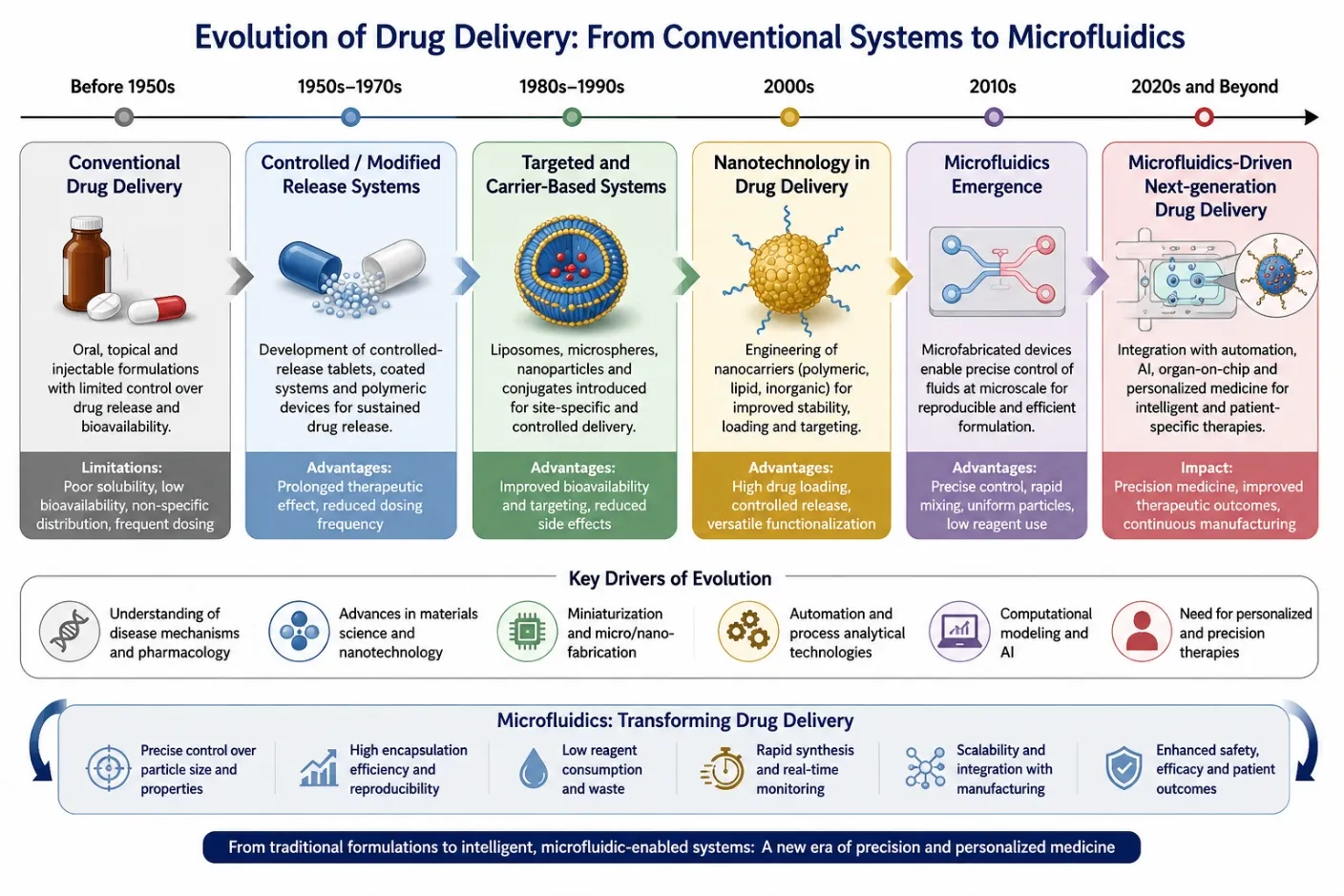
Fig.1. Evolution of Drug Delivery from Conventional Systems to Microfluidics
Components Of Microfluidic Devices
Microfluidic devices are integrated platforms consisting of interconnected components that enable the precise transport, mixing, processing and monitoring of very small volumes of fluids. In advanced drug delivery, the performance of each component directly affects critical formulation parameters such as particle size, morphology, drug loading, encapsulation efficiency and reproducibility. The major components include microchannels, micropumps, microvalves, micromixers, reservoirs, sensors and the materials used for device fabrication [25-27]. Recent advances have increasingly focused on integrating fluid handling, actuation and sensing functions within compact microfluidic platforms to improve automation, process control and reproducibility.
Microchannels
Microchannels are the primary pathways through which fluids move within a microfluidic device. They are generally fabricated with dimensions ranging from a few micrometres to several hundred micrometres. Channel dimensions, geometry, surface characteristics and arrangement determine fluid velocity, pressure drop, residence time, mixing efficiency and interfacial interactions [6,25]. Different channel configurations, including straight channels, serpentine channels, T-junctions, flow-focusing channels and branching networks, can be selected according to the intended pharmaceutical application. In drug delivery research, microchannels provide controlled environments for nanoparticle synthesis, liposome formation, emulsification, drug encapsulation and self-assembly processes. Precise control of channel geometry contributes to uniform particle formation and improved batch-to-batch reproducibility [10,11,25].
Micropumps
Micropumps are responsible for transporting fluids through microchannels at controlled flow rates and pressures. Depending on the device design, pumping may be achieved using pressure-driven, pneumatic, mechanical, electroosmotic, centrifugal or other actuation mechanisms. Accurate flow control is essential because the flow rate and flow-rate ratio between formulation streams can strongly influence particle size, mixing, residence time and encapsulation efficiency [26,28]. In advanced drug delivery systems, micropumps provide the actuation mechanism required to deliver controlled volumes of therapeutic agents and formulation components from reservoirs into microfluidic channels. Their integration with valves, chambers and flow-control structures enables precise and automated fluid handling [26,28].
Microvalves
Microvalves regulate the direction, timing and quantity of fluid entering different regions of a microfluidic device. They can be used to start or stop flow, isolate individual channels, control reagent addition and prevent unwanted backflow. Microvalves may employ pneumatic, mechanical, thermal, electrostatic or other actuation mechanisms [28,29]. Microvalves are particularly important in complex microfluidic platforms where multiple formulation components must be introduced sequentially or simultaneously. Their integration with pumps and microchannels enables automated fluid routing and improves the control of multistep microfluidic processes [28,29].
Micromixers
Micromixers facilitate rapid and controlled mixing of two or more fluids within microchannels. Because microfluidic systems commonly operate under laminar-flow conditions, molecular diffusion can limit mixing. Micromixers therefore employ specialized channel geometries or external energy sources to increase interfacial contact and enhance mass transfer [12,30]. Micromixers can broadly be classified as passive or active systems. Passive mixers rely on channel geometry, splitting and recombination, chaotic advection or diffusion, whereas active mixers use external forces such as acoustic, electrical, magnetic, thermal or mechanical energy. Efficient micromixing is particularly important in nanoprecipitation, liposome formation, lipid nanoparticle preparation and nanoemulsion production because mixing conditions influence nucleation, particle growth, size distribution and encapsulation efficiency [11,12,30].
Reservoirs
Reservoirs are storage compartments that hold formulation components, solvents, drug solutions, biological samples or other reagents before they are introduced into the microfluidic system. They may be integrated directly into the device or connected externally to the microfluidic channels. Reservoirs, channels, pumps, valves and mixers collectively form the principal fluid-handling components of integrated microfluidic systems [31]. In pharmaceutical applications, separate reservoirs can be used for active pharmaceutical ingredients, polymers, lipids, surfactants, organic solvents and aqueous phases. Appropriate reservoir design helps maintain a consistent supply of formulation components and facilitates continuous or automated processing [26,31].
Sensors and Detectors
Sensors and detectors provide real-time monitoring of physical and chemical parameters within microfluidic systems. Depending on the application, these components can measure parameters such as temperature, pressure, flow rate, pH, conductivity, concentration, particle formation and other process variables [32,33]. Integration of sensors enables real-time process monitoring and quality control. Monitoring flow rate and pressure can help identify changes in fluid resistance or potential channel blockage, while optical, electrical and electrochemical detection methods can monitor biological or physicochemical events within the microfluidic platform. Sensor integration also supports automation and closed-loop control of microfluidic processes [32,33].
Device Materials
The material used to fabricate a microfluidic device influences its mechanical strength, chemical compatibility, optical properties, surface characteristics, manufacturing cost and suitability for pharmaceutical applications. Common materials include PDMS, glass, silicon and thermoplastic polymers [25,27,34].
PDMS: Polydimethylsiloxane is widely used in laboratory-scale microfluidics because of its low cost, optical transparency, elasticity and ease of fabrication. However, its swelling in organic solvents and absorption of hydrophobic compounds can limit its suitability for some pharmaceutical formulations [25,34].
Glass: Glass provides high optical transparency, chemical resistance, thermal stability and compatibility with a broad range of solvents. These properties make it useful for pharmaceutical and analytical microfluidic applications, although fabrication can be relatively expensive and time-consuming [25,27].
Silicon: Silicon provides excellent thermal and chemical stability and allows highly precise microfabrication. However, its opacity, fragility and comparatively high manufacturing cost can limit its use in applications requiring optical observation or large-scale low-cost production [25,27].
Thermoplastic polymers: Thermoplastics such as cyclic olefin copolymer, polymethyl methacrylate and polycarbonate offer low cost, mechanical strength and compatibility with mass-production technologies such as injection moulding and hot embossing. Consequently, they are increasingly attractive for commercial and scalable microfluidic devices [27,34].
Integration of Components for Drug Delivery
The major components of a microfluidic device function as an integrated system rather than as independent units. Reservoirs supply formulation components, micropumps control their movement, microvalves regulate their distribution, microchannels establish the fluidic environment and micromixers control molecular interactions. Sensors provide real-time monitoring and feedback, while the device material determines the overall physical and chemical characteristics of the platform [25,28,32]. The coordinated integration of fluid handling, actuation, mixing, sensing and control components enables increasingly automated microfluidic platforms. Such integration is particularly important for pharmaceutical manufacturing because it can support reproducible formulation, real-time process monitoring and eventual translation toward scalable and commercially viable microfluidic systems [25,27,32,35].
Types Of Microfluidic Technologies
Microfluidic technologies can be broadly classified according to the manner in which fluids are transported, mixed, segmented and manipulated within microscale environments. The major platforms relevant to pharmaceutical and biomedical applications include continuous-flow microfluidics, droplet microfluidics, digital microfluidics, paper-based microfluidics and organ-on-chip microfluidics. Each platform provides distinct advantages in terms of fluid control, automation, throughput, material requirements and suitability for drug formulation or biomedical applications [25,35].
1. Continuous-Flow Microfluidics
Continuous-flow microfluidics involves the continuous introduction and transport of two or more fluid streams through interconnected microchannels. The fluids are controlled using parameters such as flow rate, flow-rate ratio, channel geometry and residence time. Because fluid movement occurs predominantly under laminar-flow conditions, precise control of mixing, diffusion and reaction environments can be achieved. Continuous-flow systems are particularly suitable for reproducible and scalable production of nanoparticles, liposomes, lipid nanoparticles and other drug delivery carriers [10,11,23,24]. One important advantage of continuous-flow microfluidics is the ability to maintain stable formulation conditions over extended processing periods. This makes the approach attractive for pharmaceutical manufacturing because formulation parameters can be continuously monitored and adjusted. For example, controlled mixing of an organic phase containing polymers or lipids with an aqueous phase can promote rapid solvent exchange and controlled nanoparticle self-assembly. Continuous-flow platforms therefore provide a useful bridge between laboratory-scale formulation development and potential continuous pharmaceutical manufacturing [11,25,35].
2. Droplet Microfluidics
Droplet microfluidics generates discrete droplets of one fluid within an immiscible continuous phase. Each droplet can act as an independent microreactor or formulation compartment, allowing chemical reactions, particle formation, drug encapsulation and biological processes to occur in highly controlled volumes. Droplet size and production frequency can be regulated by controlling flow rates, viscosity, interfacial tension, channel geometry and surfactant concentration [19-21]. Common configurations include T-junction, flow-focusing and co-flow devices. The high degree of droplet uniformity makes this technology particularly useful for producing microspheres, microcapsules, nanoemulsions and other encapsulated drug delivery systems. The compartmentalized nature of droplets also facilitates parallel processing and high-throughput screening of formulation conditions [19-22,36].
3. Digital Microfluidics
Digital microfluidics represents a different approach in which individual droplets are manipulated as discrete units rather than being continuously transported through fixed microchannels. Droplets can be transported, merged, split, mixed and dispensed on a programmable surface, most commonly using electrowetting-on-dielectric (EWOD) technology. Electrical control of the surface wettability allows precise manipulation of individual droplets and enables reconfigurable fluidic operations [37,38]. The programmable nature of digital microfluidics makes it particularly attractive for automated and multiplexed biochemical processes. Unlike fixed continuous-flow architectures, digital systems can dynamically change the sequence of operations and manipulate different samples independently. Applications include sample preparation, biochemical analysis, point-of-care testing, drug screening and other biomedical workflows. The reduced reagent requirement and ability to automate multiple operations on a single platform are important advantages for pharmaceutical and biomedical applications [37,38].
4. Paper-Based Microfluidics
Paper-based microfluidics uses porous materials such as cellulose paper to transport liquids through interconnected pathways primarily by capillary action. These devices can be fabricated at relatively low cost and generally require little or no external pumping equipment. Their simplicity, portability and disposability make them particularly attractive for resource-limited settings and point-of-care applications [39]. Although paper-based microfluidics has been more extensively developed for diagnostics than for pharmaceutical formulation, the technology has potential applications in drug screening, drug delivery and controlled transport of therapeutic compounds. Paper microfluidic devices can integrate sample preparation, fluid transport, reaction and detection within a compact platform. Their low material consumption and simple fabrication also provide opportunities for developing inexpensive disposable pharmaceutical and biomedical devices [39].
5. Organ-on-Chip Microfluidics
Organ-on-chip microfluidics combines microfluidic engineering with cell culture, tissue engineering and biomaterials to reproduce selected structural and physiological characteristics of human organs within microscale devices. These systems generally contain microchannels, living cells or tissues and controlled fluidic environments that can reproduce aspects of tissue architecture, mechanical forces, nutrient transport and cellular interactions [4,40,41]. Organ-on-chip platforms are increasingly important in pharmaceutical research because they provide more physiologically relevant environments for drug screening, toxicity assessment, disease modelling and personalized medicine. Examples include liver-on-chip, kidney-on-chip, lung-on-chip, gut-on-chip and vascular models. These systems can be used to investigate drug absorption, distribution, metabolism and toxicity and may complement conventional cell culture and animal models during drug development [4,40,41].
Comparative significance of different microfluidic technologies
The five platforms differ substantially in their operating principles and pharmaceutical applications. Continuous-flow systems are particularly suitable for reproducible nanoparticle and liposome production, whereas droplet microfluidics provides highly compartmentalized and uniform reaction environments. Digital microfluidics offers programmable and reconfigurable manipulation of individual droplets. Paper-based microfluidics emphasizes low-cost, portable and disposable platforms, while organ-on-chip systems focus primarily on reproducing physiological microenvironments for drug development and personalized medicine [19,25,35-41]. The selection of a particular microfluidic technology therefore depends on the intended application, required throughput, formulation characteristics, degree of automation, material compatibility and scale of operation. Increasingly, hybrid systems that combine continuous-flow, droplet, digital, sensing and organ-on-chip technologies are being investigated to achieve greater flexibility and functional integration in pharmaceutical research [25,35,38,40].
Role Of Microfluidics In Modern Drug Delivery
Microfluidics has emerged as an important enabling technology for the development of advanced drug delivery systems because it provides precise control over fluid flow, mixing, nucleation, self-assembly and particle formation. Compared with conventional bulk formulation techniques, microfluidic systems can provide improved control over particle size, morphology, drug loading, encapsulation efficiency and formulation reproducibility. These characteristics have facilitated the development of a wide range of drug delivery carriers, including polymeric nanoparticles, lipid nanoparticles, liposomes, nanoemulsions, microspheres, hydrogels and micelles [10,11,35,42].
1. Nanoparticles
Microfluidic technology enables the controlled preparation of nanoparticles by regulating mixing conditions, flow rates, solvent exchange and residence time. Rapid and reproducible mixing between an organic phase containing the drug or polymer and an aqueous phase can promote controlled nucleation and particle formation. As a result, microfluidic systems can produce nanoparticles with relatively narrow particle-size distributions and reproducible physicochemical characteristics [11,22-24,42]. Polymeric nanoparticles prepared using microfluidic platforms can incorporate poorly water-soluble drugs, proteins and other therapeutic molecules. Control over formulation conditions can influence particle size, surface characteristics, drug loading and release behaviour. These characteristics make microfluidic nanoparticle production particularly attractive for targeted and controlled drug delivery [22,42].
2. Liposomes
Liposomes are vesicular drug delivery systems composed primarily of phospholipid bilayers and can accommodate both hydrophilic and lipophilic therapeutic agents. Conventional liposome preparation methods may produce heterogeneous vesicle populations and require multiple downstream processing steps. Microfluidic hydrodynamic focusing and related continuous-flow techniques provide improved control over mixing and self-assembly, enabling the production of liposomes with more uniform vesicle sizes [14,15,43]. Microfluidic liposome preparation also permits adjustment of parameters such as flow-rate ratio, lipid concentration and total flow rate. These parameters can influence vesicle size, size distribution, encapsulation efficiency and drug-loading characteristics, making microfluidics a useful approach for reproducible liposomal drug formulation [14,15,43].
3. Polymeric Nanoparticles
Polymeric nanoparticles are increasingly investigated for controlled and targeted drug delivery because their polymer composition and structure can be engineered to regulate drug release and biological interactions. Microfluidic nanoprecipitation provides rapid and controlled mixing of polymer and drug solutions with an aqueous phase, allowing the formation of nanoparticles under reproducible conditions [22,42,44]. Microfluidic processing can reduce the variability associated with conventional bulk nanoprecipitation and facilitate systematic optimization of formulation variables. Parameters such as polymer concentration, solvent composition, flow-rate ratio and total flow rate can be adjusted to control particle size, morphology and drug encapsulation [22-24,44].
4. Lipid Nanoparticles
Lipid nanoparticles have become particularly important in modern drug delivery because of their ability to encapsulate and protect nucleic acids and other therapeutic molecules. Microfluidic mixing provides rapid and controlled interaction between lipid-containing organic phases and aqueous phases, facilitating the self-assembly of lipid nanoparticles with reproducible size and composition [3,11,45]. The use of microfluidic platforms is especially relevant to the preparation of mRNA and siRNA delivery systems, where particle size, lipid composition, encapsulation efficiency and surface properties can strongly influence biological performance. Precise control of mixing and flow conditions can therefore support the development of lipid nanoparticles for nucleic-acid delivery and vaccine applications [3,45].
5. Nanoemulsions
Nanoemulsions consist of finely dispersed oil and aqueous phases stabilized by suitable surfactants or emulsifiers. Microfluidic emulsification provides controlled manipulation of immiscible fluids and allows droplet formation under defined flow and interfacial conditions. The resulting control over droplet size and size distribution can improve formulation reproducibility [16-18,46]. Microfluidic nanoemulsion systems can be used to formulate poorly water-soluble drugs and other active pharmaceutical ingredients. Flow conditions, channel geometry, interfacial tension and surfactant concentration can be systematically adjusted to obtain nanoemulsions with desired physicochemical characteristics [16,18,46].
6. Microspheres
Microspheres are particulate carriers that can provide controlled or sustained release of therapeutic agents. Droplet-based microfluidic systems can generate highly uniform precursor droplets that subsequently undergo solidification, cross-linking or solvent removal to form microspheres. This approach provides greater control over particle size and uniformity compared with many conventional emulsification techniques [19,21,47]. Microfluidic microsphere preparation can also facilitate the incorporation of drugs, proteins and other active substances into polymeric or biodegradable matrices. Control of droplet size and composition enables systematic adjustment of drug loading and release characteristics [19,22,47].
7. Hydrogels
Hydrogels are three-dimensional polymeric networks capable of absorbing substantial quantities of water and can be engineered for controlled drug release and tissue-engineering applications. Microfluidic technologies can generate hydrogel microspheres, microgels and structured hydrogel systems with controlled dimensions and composition [20,47,48]. Droplet microfluidics is particularly useful for producing monodisperse microgels because individual droplets act as confined reaction compartments. Cross-linking of polymeric materials within these droplets can produce hydrogel particles with controlled size and morphology. Such systems have potential applications in controlled drug delivery, cell encapsulation and regenerative medicine [47,48].
8. Micelles
Micelles are self-assembled colloidal structures formed from amphiphilic molecules and can improve the apparent solubility and delivery of poorly water-soluble drugs. Microfluidic systems provide controlled environments for the self-assembly of amphiphilic polymers or surfactants and can improve the reproducibility of micellar formulations [11,42]. By regulating mixing conditions, solvent exchange and concentration gradients, microfluidic platforms can influence micelle formation and drug incorporation. This approach may be useful for developing nanoscale systems with improved solubility, controlled release and enhanced delivery of hydrophobic therapeutic agents [42,49].
9. Controlled Drug Release
Microfluidics contributes to controlled drug delivery not only by producing drug carriers with reproducible characteristics but also by enabling the engineering of carrier properties that regulate drug release. Particle size, polymer composition, lipid composition, matrix structure, surface properties and drug-loading characteristics can be systematically controlled during microfluidic formulation [11,22,42]. Microfluidic platforms can therefore be used to develop carriers exhibiting sustained, delayed or stimuli-responsive drug release. The ability to precisely control formulation parameters may reduce variability in release profiles and facilitate the development of dosage forms with predictable therapeutic performance [42,49].
10. Targeted Drug Delivery
Microfluidics can support targeted drug delivery through the reproducible fabrication of nanoparticles and other carriers with controlled size, surface characteristics and composition. These carriers can subsequently be functionalized with targeting ligands such as antibodies, peptides or other recognition molecules to promote interaction with specific cells or tissues [3,11,42]. The precise control of particle characteristics provided by microfluidic formulation is particularly valuable because particle size, surface charge, morphology and ligand density can influence biodistribution, cellular uptake and therapeutic performance. Consequently, microfluidic technologies provide an important manufacturing platform for developing targeted nanomedicines for cancer and other diseases [3,11,42]. The role of microfluidics in modern drug delivery extends beyond simple particle fabrication. It provides a controlled manufacturing environment in which formulation parameters can be systematically manipulated to produce drug carriers with reproducible and tunable characteristics. The technology therefore connects fundamental fluid mechanics with pharmaceutical formulation, nanotechnology and precision medicine [11,35,42]. The ability to integrate microfluidic formulation with continuous manufacturing, real-time monitoring and automated process control may further improve the scalability and reproducibility of advanced drug delivery systems. Consequently, microfluidics represents an important technological platform for the development of next-generation pharmaceutical formulations [11,25,35,42].
Applications of Microfluidics In Drug Delivery
Microfluidic technology has emerged as an important platform in modern pharmaceutical research, extending beyond conventional particle fabrication to applications in cancer therapy, gene and nucleic-acid delivery, mRNA vaccine development, protein and peptide delivery, ocular and pulmonary drug delivery, brain-targeted delivery, personalized medicine, tissue engineering and organ-on-chip systems. The precise manipulation of fluids at the microscale enables controlled mixing, particle formation, encapsulation and surface engineering, thereby facilitating the development of drug delivery systems with reproducible physicochemical characteristics [50,51,52].
1. Cancer Drug Delivery
Cancer drug delivery is one of the important applications of microfluidic technology. Microfluidic platforms enable the reproducible preparation of polymeric nanoparticles, liposomes, lipid nanoparticles and other nanocarriers containing anticancer agents. Precise control over particle size, morphology, surface characteristics and drug loading can facilitate the development of carriers with improved cellular uptake, controlled drug release and enhanced delivery to tumour tissues [51,52]. Microfluidic synthesis has been investigated for the preparation of functional nanoparticles containing anticancer drugs and targeting components. Control over nanoparticle composition, size and surface modification allows formulation variables to be systematically optimized for cancer therapy. Microfluidic platforms can also be integrated with tumour-on-chip models to investigate nanoparticle transport, cellular uptake and therapeutic responses under physiologically relevant conditions [51,52]. An important advantage of microfluidic cancer nanomedicine is the ability to produce relatively homogeneous carriers while reducing formulation variability. This may facilitate the development of targeted and combination nanotherapies in which multiple therapeutic agents or targeting components are incorporated into a single delivery platform [51,52].
2. Gene Delivery
Microfluidics has become an important technology for the preparation of nanocarriers for gene delivery, particularly for mRNA, siRNA and other nucleic-acid therapeutics. Nucleic acids are susceptible to degradation and generally require protective delivery systems to facilitate cellular uptake and intracellular release. Microfluidic systems provide rapid and controlled mixing of nucleic-acid solutions with lipids or polymers, enabling the formation of nanoparticles with controlled size and high encapsulation efficiency [52,53]. Microfluidic synthesis of lipid nanoparticles is particularly valuable because parameters such as flow rate, flow-rate ratio, lipid composition and mixing conditions can be systematically adjusted. These variables influence nanoparticle size, morphology, encapsulation efficiency and biological performance and can therefore be optimized for gene transfer, RNA delivery and other nucleic-acid-based therapeutic applications [53]. The precise and reproducible nature of microfluidic formulation is especially advantageous for nucleic-acid therapeutics, where changes in carrier characteristics can influence cellular uptake and intracellular delivery. Thus, microfluidics provides an important manufacturing platform for next-generation gene delivery systems [52,53].
3. mRNA Vaccine Delivery
The development of mRNA vaccines has substantially increased interest in microfluidic manufacturing technologies. mRNA can be encapsulated within lipid nanoparticles through controlled microfluidic mixing of an aqueous nucleic-acid phase with an organic lipid phase. Rapid and reproducible mixing promotes lipid self-assembly and facilitates the formation of lipid nanoparticles with controlled particle size and high encapsulation efficiency [50,53]. Microfluidic approaches have been investigated for the preparation of mRNA-LNP vaccine formulations for infectious diseases. Their advantages include rapid mixing, precise control of formulation parameters, reproducibility and reduced material consumption. Microfluidic processing may also facilitate continuous and scalable manufacturing approaches for nucleic-acid vaccines [50,53]. The growing importance of mRNA therapeutics has therefore positioned microfluidic lipid nanoparticle production as a significant area of pharmaceutical research. Further development of integrated and scalable microfluidic manufacturing systems could improve the flexibility and efficiency of mRNA vaccine production [50,53].
4. Protein and Peptide Delivery
Proteins and peptides present significant formulation challenges because of their susceptibility to degradation, aggregation, denaturation and enzymatic breakdown. Microfluidic systems provide controlled environments for incorporating these macromolecules into polymeric, lipid-based and hydrogel carriers while minimizing variations associated with conventional processing methods [55]. Microfluidic technologies are also useful for protein manipulation, formulation screening and controlled processing. Precise regulation of fluidic conditions allows formulation parameters to be systematically optimized while reducing unnecessary consumption of valuable biological materials. This is particularly important for expensive proteins, peptides and other biologically active macromolecules [55]. The integration of microfluidic systems with particle fabrication and analytical techniques may therefore support the development of protein- and peptide-loaded carriers with improved encapsulation, stability and controlled-release characteristics [55].
5. Ocular Drug Delivery
Microfluidic technologies have potential applications in ocular drug delivery through the fabrication of nanoscale and microscale carriers and microengineered delivery systems. Ocular drug delivery is challenging because of physiological barriers such as tear drainage, corneal barriers and restricted penetration into posterior ocular tissues. Microfluidic fabrication can provide controlled particle size, composition and drug loading, which may contribute to improved ocular residence and localized drug delivery [50,52]. Microfluidic platforms can potentially be used to prepare nanoparticles, microspheres and other particulate systems for sustained ocular drug delivery. Control over carrier characteristics may facilitate optimization of drug release and tissue interaction. However, direct clinical translation of microfluidic-manufactured ocular drug delivery systems remains relatively limited and this area should therefore be considered an emerging application.
6. Pulmonary Drug Delivery
Microfluidic technology is increasingly being investigated for pulmonary drug delivery because it enables controlled fabrication of inhalable nanoparticles, microspheres and lipid-based carriers. Such systems can be designed to achieve appropriate aerodynamic characteristics, improve pulmonary deposition and provide localized drug delivery while potentially reducing systemic exposure [57,58]. A recent 2026 study demonstrated the microfluidic fabrication of dexamethasone-loaded silk fibroin microspheres for targeted pulmonary drug delivery. The microfluidic approach produced microspheres with controlled characteristics and demonstrated high encapsulation efficiency and sustained drug release, supporting the potential of microfluidic fabrication for localized pulmonary therapy [57]. Another recent study investigated pulmonary surfactant nanoparticles for lung-targeted drug delivery, demonstrating the potential of microfluidic nanoparticle fabrication for producing inhalable nanosystems with controlled formulation characteristics. Such approaches may be particularly useful for improving drug deposition and retention in the lungs and for delivering therapeutic agents to specific pulmonary tissues [58]. These developments demonstrate the potential of microfluidics to integrate particle engineering with pulmonary drug delivery requirements. Nevertheless, aerodynamic performance, device compatibility, long-term stability and large-scale manufacturing remain important considerations for clinical translation.
7. Brain-Targeted Drug Delivery
The blood-brain barrier represents a major obstacle to effective delivery of therapeutic agents to the central nervous system. Microfluidic technologies can contribute to brain-targeted drug delivery through two complementary approaches: the reproducible fabrication of nanocarriers and the development of microfluidic blood-brain-barrier or brain-on-chip models for evaluating drug transport and cellular interactions [59]. Microfluidic BBB models can reproduce selected structural and physiological characteristics of the neurovascular interface and provide controlled platforms for studying barrier permeability and drug transport. Such models can be used to investigate the interaction of nanoparticles with brain endothelial cells and to evaluate strategies designed to improve therapeutic transport across the BBB [59]. Microfluidic systems therefore have potential both as drug-carrier manufacturing platforms and as experimental models for evaluating CNS delivery strategies. Further integration of brain-on-chip systems with advanced nanocarriers may contribute to the development of more effective treatments for neurological disorders [59].
8. Personalized Medicine
Microfluidics provides an attractive technological platform for personalized medicine because very small quantities of patient-derived samples can be processed under precisely controlled conditions. Microfluidic systems can integrate sample preparation, drug exposure, cellular analysis and formulation screening within compact platforms, enabling investigation of patient-specific responses to therapeutic agents [52,60]. Organ-on-chip systems are particularly relevant because they can incorporate patient-derived cells or tissues and reproduce selected physiological characteristics of individual patients. Such systems can be used for personalized drug screening, disease modelling and investigation of patient-specific therapeutic responses [60]. The combination of microfluidics with patient-derived biological materials therefore provides an opportunity to move from generalized treatment strategies towards more individualized therapeutic approaches [52,60].
9. Tissue Engineering
Microfluidic technology has important applications in tissue engineering because it enables precise spatial and temporal control of cells, biomaterials, nutrients and biochemical factors. Microfluidic platforms can be used to generate cell-laden droplets, hydrogel microspheres, vascular-like structures and other tissue-engineered constructs with controlled dimensions and architecture [60]. Microfluidic systems can also generate controlled gradients of growth factors and other signalling molecules. These gradients can be used to investigate cell migration, proliferation and differentiation and to develop tissue constructs with more controlled biological organization. Microfluidic hydrogel systems may also function as platforms for localized and sustained drug delivery within engineered tissues [60]. Thus, the integration of microfluidics, biomaterials and tissue engineering provides opportunities for developing multifunctional systems capable of combining tissue regeneration with controlled therapeutic delivery [60].
10. Organ-on-Chip Platforms
Organ-on-chip technology represents one of the most advanced biomedical applications of microfluidics. These systems combine microfluidic channels with living cells, tissues or organoids to reproduce selected structural and physiological characteristics of human organs. Examples include lung-on-chip, liver-on-chip, kidney-on-chip, gut-on-chip, heart-on-chip and vascular models [60]. Organ-on-chip platforms can be used for drug screening, toxicity assessment, disease modelling, pharmacological evaluation and personalized medicine. Controlled fluid flow within these systems can reproduce selected aspects of physiological microenvironments that are difficult to reproduce using conventional static two-dimensional cell cultures [60]. The integration of organ-on-chip technology with artificial intelligence and automated image or data analysis may further improve drug evaluation. Artificial intelligence can assist in analysing complex biological responses, identifying patterns and predicting therapeutic or toxicological outcomes [61]. Such integration may contribute to more efficient preclinical drug development and reduce dependence on conventional experimental approaches. The applications of microfluidics in drug delivery extend from drug-carrier fabrication to therapeutic evaluation, disease modelling and personalized treatment development. Microfluidic platforms can produce nanoparticles, liposomes, lipid nanoparticles, microspheres and other carriers with controlled physicochemical characteristics. They also provide important platforms for nucleic-acid delivery, vaccine development, pulmonary delivery and emerging brain-targeted and ocular delivery approaches [50-53,57-60]. The convergence of microfluidics with nanotechnology, biomaterials, organ-on-chip technology, real-time sensing, automation and artificial intelligence is expected to further expand its role in pharmaceutical research and development. However, the maturity of these applications differs considerably. Nanoparticle and lipid nanoparticle manufacturing is relatively advanced, whereas applications such as personalized therapeutic manufacturing, ocular delivery and integrated organ-on-chip drug delivery remain areas of active research [52,53,60,61]. Overall, microfluidics provides a versatile technological bridge between formulation development, controlled drug delivery, biological evaluation and personalized medicine. Continued improvements in device design, manufacturing scalability, regulatory standardization and integration with automated technologies will be important for translating these applications from laboratory-scale research into clinically and commercially viable drug delivery systems.
Advantages of Microfluidic Drug Delivery
Microfluidic technology offers several advantages over conventional formulation techniques because it enables precise control of fluid flow, mixing, particle formation and drug encapsulation. These characteristics make microfluidics particularly suitable for the development of advanced drug delivery systems [10,25,42,62].
1. Precise Particle Size Control
Controlled flow rates, mixing conditions and residence times enable the production of nanoparticles and microparticles with narrow size distributions and predictable characteristics [11,42,63].
2. High Encapsulation Efficiency
Rapid and controlled mixing facilitates efficient drug incorporation into nanoparticles, liposomes and lipid-based carriers, reducing drug wastage and improving payload delivery [3,42,63].
3. Uniform Formulations
The controlled microenvironment minimizes variations in mixing and particle formation, resulting in more uniform particle size, morphology and drug loading [10,25,63].
4. Reduced Reagent Consumption
Microfluidic devices operate with very small fluid volumes, reducing the consumption of drugs, polymers, lipids, solvents and other formulation materials. This is particularly beneficial during formulation screening of expensive biological molecules [62,64].
5. Rapid Synthesis
Short diffusion distances and efficient mass transfer enable rapid mixing, nanoprecipitation and self-assembly, reducing formulation processing time [10,42,63].
6. Automation
Microfluidic devices can integrate pumps, valves, mixers and sensors, enabling automated formulation, monitoring and process control with reduced human intervention [5,32,64].
7. High Reproducibility
Precise regulation of flow rate, concentration, temperature and mixing conditions improves batch-to-batch consistency and reproducibility of critical quality attributes [25,42,63].
8. Scalability Potential
Continuous-flow operation and parallelization or numbering-up of microfluidic channels provide potential pathways for increasing production capacity while maintaining controlled formulation conditions [25,50,65].
9. Controlled Drug Release
Microfluidic control over particle size, polymer composition, lipid composition and drug loading can be used to develop carriers with sustained or controlled drug-release profiles [49,62].
10. Improved Targeting Potential
Microfluidically prepared nanoparticles can be engineered with controlled surface characteristics and functionalized with targeting ligands, supporting targeted delivery to specific tissues or cells [51,52]. The major advantages of microfluidic drug delivery include precise particle-size control, high encapsulation efficiency, formulation uniformity, reduced reagent consumption, rapid synthesis, automation, high reproducibility and scalability potential. These advantages enable microfluidics to function not only as a formulation technique but also as an integrated platform for controlled and reproducible development of advanced drug delivery systems [25,42,62-65].
CHALLENGES AND LIMITATIONS OF MICROFLUIDIC DRUG DELIVERY
Despite its advantages in the precise formulation of advanced drug delivery systems, microfluidic technology still faces several technical, economic and regulatory barriers that limit its widespread pharmaceutical and industrial adoption. Addressing these challenges is essential for translating laboratory-scale microfluidic formulations into robust, standardized and commercially viable manufacturing processes [24,65].
Fabrication Cost
The fabrication of microfluidic devices may require specialized equipment, cleanroom facilities, microfabrication techniques and high-quality materials. Although materials such as PDMS can be relatively inexpensive for laboratory prototypes, sophisticated devices incorporating integrated pumps, valves, sensors and automated control systems can substantially increase production costs. The cost becomes particularly important when disposable devices are required for sterile pharmaceutical manufacturing [66].
Device Complexity
Advanced microfluidic platforms may incorporate multiple channels, pumps, valves, mixers, sensors and control systems within a small device. Designing, fabricating and operating such integrated systems requires expertise in microengineering, fluid mechanics, materials science and pharmaceutical formulation. Small variations in channel dimensions, surface properties or operating conditions can influence fluid behaviour and formulation performance. This technical complexity may make device development and routine operation challenging [67].
Channel Clogging and Fouling
Channel blockage is a significant operational problem, particularly during the production of concentrated nanoparticles, microparticles, precipitating formulations or viscous drug delivery systems. Particle aggregation, precipitation, air bubbles and adsorption of formulation components onto channel surfaces can reduce flow efficiency or completely obstruct the device. Channel fouling may also alter surface properties and affect particle formation. Appropriate channel geometry, surface modification, filtration, optimized concentrations and controlled operating conditions are therefore required to minimize clogging [68,69].
Scale-Up Challenges
Scaling microfluidic formulations from laboratory quantities to industrial production remains one of the major challenges. Simply increasing the dimensions or flow rate of a microchannel may alter the fluid dynamics and compromise the optimized formulation conditions. Numbering-up, involving the parallel operation of multiple identical channels or devices, provides an alternative approach but introduces additional challenges related to uniform flow distribution, synchronization, device-to-device variability and process monitoring. Developing robust continuous manufacturing strategies is therefore essential for large-scale production [70,71].
Regulatory Issues
Microfluidic drug delivery systems may involve novel combinations of formulation processes, materials, devices and active pharmaceutical ingredients, creating regulatory challenges. Regulatory assessment must address the safety, quality, performance and reproducibility of both the drug formulation and the manufacturing process. Critical quality attributes such as particle size, polydispersity, drug loading, encapsulation efficiency, sterility and stability must be appropriately controlled. Clear regulatory frameworks specifically addressing complex microfluidic manufacturing platforms are still developing [72].
Industrial Translation
Many microfluidic technologies remain at the proof-of-concept or laboratory-development stage. Transitioning from research prototypes to commercially viable pharmaceutical manufacturing requires robust device fabrication, reliable operation, process validation, equipment compatibility and economic feasibility. Pharmaceutical manufacturers must also consider integration with upstream material preparation, downstream purification, sterilization, filling and packaging operations. The absence of established industrial workflows can slow the adoption of microfluidic technologies [12,74].
Standardization
Standardization is essential for ensuring consistent performance between microfluidic devices, laboratories and manufacturing facilities. Differences in channel dimensions, device materials, surface characteristics, flow conditions and operating protocols can lead to variations in formulation outcomes. Standardized methods for device fabrication, process characterization, critical quality attributes and performance testing are therefore required. Establishing common terminology, validated analytical methods and internationally accepted manufacturing standards would facilitate comparison between studies and accelerate regulatory acceptance [75]. The major challenges associated with microfluidic drug delivery are interconnected. High fabrication costs and device complexity can affect scalability, while channel clogging and device-to-device variability can compromise reproducibility. Regulatory uncertainty and insufficient standardization can further delay industrial translation. Future development should therefore focus not only on improving microfluidic formulation performance but also on developing cost-effective devices, scalable numbering-up strategies, robust continuous manufacturing processes, standardized operating procedures and regulatory frameworks. Overcoming these barriers will be critical for converting microfluidic drug delivery from an advanced laboratory technology into a reliable and commercially viable pharmaceutical manufacturing platform.
Table. 1. Representative recent studies demonstrating the application of microfluidic technologies in the development, optimization and evaluation of advanced drug delivery systems (2018–2026).
|
Year |
Authors |
Microfluidic technology / system |
Drug delivery application |
Major findings / significance |
|
2018 |
Ahn J, Ko J, Lee S, Yu J, Kim YT, Jeon NL |
Microfluidic nanoparticle fabrication and screening |
Nanoparticle-based drug delivery |
Microfluidics enabled controlled and reproducible nanoparticle fabrication, characterization and preclinical evaluation, including organ-on-chip models [52]. |
|
2019 |
Shokoohinia P, Hajialyani M, Sadrjavadi K, et al. |
Microfluidic-assisted nanoprecipitation with CFD simulation |
PLGA nanoparticles |
Produced more uniform, monodisperse and stable PLGA nanoparticles than batch preparation. CFD analysis helped explain the influence of flow conditions and micromixing on particle characteristics [75]. |
|
2019 |
Lin WZ, et al. |
Microfluidic hydrodynamic focusing |
Liposomal drug delivery |
Demonstrated simultaneous loading of hydrophilic and hydrophobic drug simulants into liposomes while allowing control of liposome size and loading efficiency through flow-rate ratio [76]. |
|
2020 |
Kotouček J, Hubatka F, Mašek J, et al. |
Herringbone microfluidic mixing |
Nanoliposomes |
Demonstrated controlled nanoliposome formation and showed that lipid membrane fluidity influenced the final vesicle size [77]. |
|
2020 |
Huang Y, et al. |
Two-phase gas–liquid microfluidic reactor |
Stimuli-responsive polymeric nanoparticles |
Produced glutathione-responsive polymer nanoparticles containing paclitaxel or a fluorescent drug surrogate. Microfluidic processing improved drug distribution homogeneity compared with bulk microprecipitation [78]. |
|
2022 |
Liu Y, Yang G, Hui Y, Ranaweera S, Zhao CX |
Microfluidic nanoparticle fabrication |
Nanoparticles for drug delivery |
Reviewed advances in microfluidic fabrication of organic, inorganic and hybrid nanoparticles and highlighted precise control of particle properties and industrial-scale manufacturing potential [9]. |
|
2022 |
Ma Z, Li B, Peng J, Gao D |
Microfluidic synthesis and evaluation platforms |
Liposomes, polymeric and inorganic carriers |
Demonstrated the broad role of microfluidics from drug-carrier synthesis to controlled release and on-chip evaluation using biological models such as BBB, vascular and intestinal models [79]. |
|
2022 |
Prakash G, Shokr A, Willemen N, et al. |
Microfluidic fabrication of lipid nanoparticles |
Nucleic-acid and gene delivery |
Highlighted microfluidic production of LNPs for RNA, peptide and CRISPR-related delivery and their potential for high-throughput nonviral gene delivery [80]. |
|
2022 |
Maeki M, Uno S, Niwa A, et al. |
Microfluidic LNP manufacturing |
mRNA and RNA delivery |
Reviewed microfluidic devices for RNA-loaded LNP production and emphasized their importance following the clinical success of mRNA vaccines.[81] |
|
2022 |
Obeid MA, et al. |
Microfluidic mixing |
Niosomal drug delivery |
Microfluidic mixing produced niosomes generally below 90 nm with controlled composition, drug encapsulation and sustained atenolol release without requiring post-production size reduction [82]. |
|
2023 |
Gimondi S, et al. |
Dynamic microfluidic blood-vessel model |
PLGA-PEG nanoparticle delivery |
Demonstrated size-dependent endothelial transport of 30, 50 and 70 nm nanoparticles and showed that dynamic microfluidic models can provide more physiologically relevant screening than static models [83]. |
|
2023 |
Pilkington CP, Contini C, Barritt JD, et al. |
Microfluidic controlled self-assembly |
Liquid-crystalline nanoparticles |
Developed a microfluidic platform for controlled synthesis of architecturally complex liquid-crystalline nanoparticles with potential applications in therapeutic delivery and imaging [84]. |
|
2024 |
Mehraji S, DeVoe DL |
Microfluidic lipid nanoparticle synthesis |
Lipid-based nanomedicine |
Reviewed microfluidic control of lipid nanoparticle size and properties and highlighted opportunities for manufacturing scale-up, post-processing and additive manufacturing [3]. |
|
2024 |
Zöller K, Haddadzadegan S, Lindner S, et al. |
Microfluidic LNP preparation and coating |
Charge-converting lipid nanoparticles |
Developed charge-converting LNPs using microfluidic mixing, demonstrating the potential of microfluidics for engineering surface properties of advanced nanocarriers [85]. |
|
2024 |
González-García D, Tapia O, Évora C, García-García P |
Microfluidic and conventional formulation |
Lipid-polymeric hybrid nanoparticles for gene therapy |
Compared conventional and microfluidic approaches for designing lipid-polymeric hybrid nanoparticles, highlighting microfluidic control of formulation characteristics for gene delivery [86]. |
|
2024 |
Mohammadi M, Qadir SA, Faraj AM, et al. |
Microfluidic nanocarrier fabrication |
Advanced nano drug delivery |
Reviewed microfluidic approaches for producing nanocarriers, particularly for poorly soluble drugs, targeted delivery and improved control of physicochemical properties [87]. |
|
2024 |
Mehraji S, DeVoe DL |
Microfluidic lipid nanoparticle technology |
Drug and nucleic-acid delivery |
Highlighted precise control of lipid nanoparticle properties and identified throughput and scale-up as major considerations for pharmaceutical translation [3]. |
|
2025 |
Jung D, Jang S, Park D, et al. |
Automated microfluidic production |
LNP-based gene delivery |
Demonstrated an automated microfluidic approach designed to improve the scalable and reliable production of lipid nanoparticles for gene delivery [88]. |
|
2025 |
Bezelya A, Küçüktürkmen B, Böncü TE, Bozkır A |
Microfluidic nanoparticle formulation |
Protein delivery |
Investigated microfluidic preparation of PLGA nanoparticles for protein delivery and demonstrated that flow-rate ratios and formulation concentrations can tune nanoparticle properties [89]. |
|
2025 |
Hanari N, Mihandoost S, Rezvantalab S |
Microfluidic formulation + computational prediction |
PLGA nanoparticle drug delivery |
Used a dataset of more than 300 PLGA nanoparticle formulations to develop intelligence-based prediction of nanoparticle characteristics, illustrating the emerging integration of microfluidics with data-driven formulation design [90]. |
FUTURE PERSPECTIVES OF MICROFLUIDIC TECHNOLOGIES IN ADVANCED DRUG DELIVERY
Microfluidic technology is expected to play an increasingly important role in the development of next-generation drug delivery systems. Continued advances in nanotechnology, biomaterials, artificial intelligence, automation and pharmaceutical engineering are likely to improve the precision, scalability and clinical applicability of microfluidic platforms. Future developments will increasingly focus on personalized therapies, intelligent drug delivery, sustainable manufacturing and integration with digital healthcare [65].
Precision Medicine
Microfluidics has considerable potential to support precision medicine by enabling rapid formulation development using very small quantities of drugs, biological samples and patient-derived materials. Digital and automated microfluidic platforms can generate and evaluate multiple drug formulations under controlled conditions. Integration with patient-specific biological models, molecular diagnostics and artificial intelligence may facilitate the selection of appropriate drug combinations and doses for individual patients. Microfluidic systems may therefore contribute to personalized cancer therapy, individualized drug-response testing and patient-specific nanomedicine.
Stimuli-Responsive Drug Delivery
Future microfluidic platforms are expected to facilitate the development of intelligent drug carriers that respond to specific physiological or pathological stimuli. Nanoparticles, hydrogels, liposomes and other carriers can be designed to respond to pH, temperature, enzymes, redox conditions, light or magnetic fields. Microfluidic fabrication provides precise control over carrier size, composition and architecture, allowing these properties to be systematically optimized. Such systems may enable drug release specifically at diseased tissues while minimizing premature drug release and systemic toxicity.
Clinical Translation
The successful translation of microfluidic drug delivery systems from laboratory research to clinical applications will depend on reproducible manufacturing, robust quality control and appropriate regulatory validation. Continuous-flow microfluidic manufacturing and numbering-up strategies may help produce advanced drug carriers at clinically relevant scales while maintaining formulation characteristics. Greater collaboration between pharmaceutical scientists, engineers, clinicians and regulatory authorities will be necessary to establish validated manufacturing processes and demonstrate the safety and therapeutic benefits of microfluidic formulations.
Commercialization
Commercialization of microfluidic drug delivery technologies will require cost-effective device fabrication, reliable operation and compatibility with existing pharmaceutical manufacturing infrastructure. Advances in injection moulding, 3D printing, roll-to-roll manufacturing and other scalable fabrication technologies may reduce production costs and facilitate large-scale manufacturing of microfluidic devices. Disposable or modular microfluidic cartridges may also become increasingly attractive for sterile and personalized pharmaceutical applications. Successful commercialization will depend on demonstrating clear advantages over conventional manufacturing in terms of product quality, cost, reproducibility and process efficiency.
Digital Healthcare Integration
The convergence of microfluidics with digital healthcare, artificial intelligence, machine learning, biosensors and cloud-based data systems represents an important future direction. Intelligent microfluidic platforms could integrate formulation, analysis and decision-making within a single automated system. Real-time sensors could continuously monitor critical process parameters, while machine-learning algorithms could identify optimal formulation conditions from large experimental datasets. Such systems may eventually support closed-loop drug formulation, in which formulation parameters are automatically adjusted according to real-time measurements and patient-specific requirements.
Sustainable Manufacturing
Microfluidic technologies have the potential to contribute to more sustainable pharmaceutical manufacturing because they require relatively small quantities of active pharmaceutical ingredients, solvents and excipients during formulation development. Reduced reagent consumption can minimize material waste and decrease the environmental burden associated with pharmaceutical research. Future systems may further incorporate biodegradable materials, greener solvents, solvent-recycling strategies and energy-efficient processing. Continuous manufacturing and miniaturized equipment could also reduce production waste and improve resource utilization.
Convergence with Emerging Technologies
The future development of microfluidic drug delivery is likely to depend increasingly on its integration with other advanced technologies. Combining microfluidics with nanotechnology, 3D printing, artificial intelligence, organ-on-chip models, biosensors and robotics may create fully integrated pharmaceutical development platforms. Such systems could potentially perform formulation, characterization, biological testing and optimization with minimal human intervention. This convergence could significantly accelerate the discovery and development of advanced drug delivery systems. The future of microfluidic drug delivery lies in transforming highly controlled laboratory-scale formulation technologies into scalable, automated and clinically relevant pharmaceutical platforms. Precision medicine, stimuli-responsive carriers, digital integration and sustainable manufacturing are expected to be major drivers of future development. Although challenges related to scale-up, standardization, regulatory acceptance and commercialization remain, continued interdisciplinary innovation is likely to improve the technological maturity of microfluidic systems. Ultimately, the integration of microfluidics with nanomedicine, artificial intelligence and precision healthcare has the potential to accelerate the development of safer, more effective and patient-specific drug delivery systems.
CONCLUSION
Microfluidic technologies have emerged as powerful and versatile platforms for the development of advanced drug delivery systems, offering precise control over fluid flow, mixing, particle formation, encapsulation and formulation conditions. Unlike conventional bulk preparation methods, microfluidic approaches can produce nanoparticles, liposomes, polymeric nanoparticles, lipid nanoparticles, nanoemulsions, microspheres, hydrogels and micelles with improved control over particle size, morphology, drug loading and encapsulation efficiency. These capabilities can enhance formulation reproducibility and provide opportunities to optimize drug stability, bioavailability, controlled release and targeted delivery. The application of microfluidics extends beyond carrier fabrication to cancer therapy, gene and mRNA delivery, protein and peptide therapeutics, ocular and pulmonary delivery, brain-targeted systems, personalized medicine, tissue engineering and organ-on-chip platforms. Integration with nanotechnology, artificial intelligence, biosensors, automation and advanced biomaterials is further expanding the potential of microfluidic systems for precision therapeutics and next-generation pharmaceutical development. Despite these advantages, several challenges remain, including device fabrication costs, technical complexity, channel clogging, scale-up, regulatory requirements, industrial translation and the absence of comprehensive standardization. Addressing these limitations through robust device engineering, numbering-up strategies, continuous manufacturing, process analytical technologies and validated quality-control approaches will be essential for successful commercialization. Overall, microfluidics represents an important technological bridge between innovative pharmaceutical formulation and precision drug delivery. Future advances in intelligent microfluidic platforms, stimuli-responsive carriers, digital healthcare integration and sustainable manufacturing are expected to further strengthen its pharmaceutical applications. Continued collaboration among pharmaceutical scientists, engineers, clinicians, manufacturers and regulatory authorities will be essential to translate promising laboratory technologies into safe, scalable and clinically effective drug delivery systems.
REFERENCES


Vinoth Jeevanesan*, Vanitha Devi Rajendran, Balakumar Palanivel, Barath Balakrishnan, Akash Sivakumar, Silviyamary Francisxaver, Sowmiya Balaguru, Venkadesh Govindharaja, Microfluidic Technologies for Advanced Drug Delivery Systems: A Comprehensive Review, Int. J. Med. Pharm. Sci., 2026, 2 (9), 90-113. https://doi.org/10.5281/zenodo.22273395
 10.5281/zenodo.22273395