
We use cookies to ensure our website works properly and to personalise your experience. Cookies policy
1Research Scholar, Department of Pharmacy, Bhupal Nobles’ University, Udaipur (Raj.)
2Assistant Professor, Department of Pharmacy, Bhupal Nobles’ University, Udaipur (Raj.)
Self-emulsifying drug delivery systems (SEDDS) represent an increasingly sophisticated class of lipid-mediated pharmaceutical technologies devised to surmount the intrinsic biopharmaceutical limitations governing the dissolution, solubilization, gastrointestinal dispersion, and systemic bioavailability of poorly water-soluble therapeutic molecules. This review comprehensively examines the progressive evolution of SEDDS, with particular emphasis on their transition from conventional liquid systems to technologically advanced solid-state formulations, encompassing formulation architecture, manufacturing methodologies, physicochemical characterization, therapeutic applications, and prospective pharmaceutical trajectories. Existing literature is systematically evaluated with respect to liquid SEDDS (L-SEDDS), solid SEDDS (S-SEDDS), and supersaturable SEDDS (Su-SEDDS), together with contemporary solidification approaches including spray drying, hot-melt extrusion, and adsorption onto specialized carrier matrices. Following gastrointestinal administration, L-SEDDS undergo spontaneous self-emulsification upon aqueous dilution, generating finely dispersed systems capable of enhancing drug solubilization, dissolution, and intestinal absorption. Nevertheless, their susceptibility to physical instability, leakage, handling limitations, and storage-related deterioration has accelerated the development of solidified SEDDS, which offer improved stability, manufacturability, scalability, portability, and patient acceptability. Critical characterization methodologies encompassing droplet-size distribution, emulsification performance, dissolution kinetics, and solid-state characterization are discussed as indispensable tools for elucidating formulation performance and optimizing drug–lipid–excipient interactions. Furthermore, emerging technological paradigms, including three-dimensional-printed SEDDS, hybrid delivery platforms, targeted systems, biologics-oriented formulations, and supersaturation-based strategies, are expanding the therapeutic versatility of SEDDS. Computational modelling and in silico methodologies provide additional opportunities for rational formulation design, predictive optimization, and reduction of empirical experimentation. Despite substantial technological advancement, unresolved challenges concerning industrial scalability, excipient toxicity, physicochemical stability, formulation reproducibility, regulatory requirements, and long-term storage remain significant translational considerations. Nevertheless, the convergence of lipid-based nanotechnology, pharmaceutical engineering, additive manufacturing, computational pharmaceutics, and personalized medicine is progressively redefining SEDDS as adaptable and multifunctional drug-delivery platforms. Their capacity to enhance oral bioavailability while facilitating sophisticated, individualized therapeutic interventions establishes SEDDS as a consequential and continually evolving paradigm in contemporary pharmaceutical development.
Oral administration remains the most extensively exploited and patient-concordant route for systemic pharmacotherapy owing to its convenience, non-invasive nature, comparatively uncomplicated administration, and favourable implications for treatment adherence. Nevertheless, the attainment of reproducible and therapeutically adequate systemic exposure following oral administration is frequently constrained by inadequate aqueous solubility, dissolution kinetics, and/or intestinal membrane permeability.1,2 These biopharmaceutical impediments become particularly consequential during the development of contemporary pharmaceutical products, wherein high-throughput screening and structure-based drug discovery have generated an expanding repertoire of highly lipophilic and intrinsically water-insoluble new chemical entities (NCEs). Consequently, formulation scientists confront the persistent challenge of translating promising molecular pharmacology into clinically meaningful in vivo performance. Drug absorption is fundamentally governed by the interdependent attributes of aqueous solubility and membrane permeability, principles formally incorporated into the Biopharmaceutics Classification System (BCS) introduced by Amidon and co-workers in 1995. Within this framework, BCS Class II compounds exhibit low aqueous solubility but comparatively high permeability, whereas Class IV compounds possess both low solubility and low permeability; consequently, these categories frequently demonstrate dissolution- and absorption-limited oral bioavailability.3,4 Among the numerous formulation technologies developed to circumvent these constraints, lipid-based drug delivery systems (LBDDS) have emerged as strategically important platforms for enhancing the solubilization, dispersion, dissolution, and intestinal absorption of poorly water-soluble therapeutics. Their mechanistic rationale is associated with the physiological lipid-processing pathways of the gastrointestinal tract, whereby dietary lipids facilitate the generation of a solubilizing intestinal microenvironment capable of maintaining lipophilic molecules in an absorbable state. Accordingly, lipidic formulations seek primarily to preserve the drug in a solubilized or readily solubilizable form throughout the gastrointestinal milieu, thereby attenuating dissolution as a rate-limiting determinant of absorption.5,6 Within this technological continuum, self-emulsifying drug delivery systems (SEDDS) have attracted considerable scientific and pharmaceutical interest. SEDDS are anhydrous, isotropic preconcentrates generally comprising a therapeutic agent dissolved or dispersed within an optimized combination of oil, surfactant, and, where necessary, co-surfactant or co-solvent. Although these systems are not emulsions in their pre-administration state, mild agitation and aqueous dilution within the gastrointestinal environment induce spontaneous interfacial reorganization and formation of fine oil-in-water dispersions. This self-emulsification phenomenon substantially increases the interfacial area available for drug transfer and facilitates maintenance of poorly water-soluble molecules within a solubilized state, thereby potentially circumventing the dissolution barrier imposed by conventional solid dosage forms.7,8 The capacity of SEDDS to accommodate therapeutically relevant quantities of lipophilic drugs is particularly advantageous for compounds exhibiting intermediate lipophilicity, including molecules possessing partition coefficients within the approximate range of 2 < log P < 4. Depending upon their physicochemical composition and resultant dispersion characteristics, self-emulsifying systems may be further engineered into self-microemulsifying drug delivery systems (SMEDDS) or self-nanoemulsifying drug delivery systems (SNEDDS). SMEDDS generally comprise isotropic mixtures of lipophilic drug, oil, hydrophilic surfactant, and cosolvent that spontaneously generate fine microemulsified systems upon aqueous dilution. The resulting high interfacial surface area facilitates rapid drug presentation to the gastrointestinal environment and may consequently enhance dissolution and absorption.9,10 The pharmaceutical relevance of SEDDS is underscored by the successful development of marketed lipid-based formulations. Conventional liquid SEDDS/SMEDDS systems have historically been incorporated into hard- or soft-gelatin capsules. Commercial examples associated with cyclosporine, ritonavir, and saquinavir illustrate the translational feasibility of lipid-based self-emulsifying technologies. Nevertheless, conventional liquid SEDDS (L-SEDDS) remain associated with several formulation and manufacturing liabilities, including inadequate physical and chemical stability, leakage during storage, susceptibility of lipidic constituents to oxidative or hydrolytic degradation, incompatibility with capsule-shell materials, restricted dosage-form flexibility, and challenges associated with large-scale handling and manufacturing. Furthermore, drug precipitation following gastrointestinal dilution may compromise the solubilization advantage, particularly for high-dose or precipitation-prone compounds. Excessive surfactant concentrations, sometimes required to achieve efficient self-emulsification, may additionally raise concerns regarding gastrointestinal tolerability.11,12 These intrinsic limitations have catalysed the progressive transformation of liquid lipidic systems into solid self-emulsifying drug delivery systems (S-SEDDS) and, more specifically, solid self-microemulsifying drug delivery systems (S-SMEDDS). Solidification strategies—including adsorption onto porous solid carriers, spray drying, hot-melt extrusion, and lyophilization—enable liquid self-emulsifying preconcentrates to be immobilized within solid matrices while retaining their fundamental self-emulsification characteristics. The resulting powders, granules, pellets, capsules, or tablets can combine the solubilization and bioavailability-enhancing attributes of liquid systems with the superior physical stability, handling characteristics, dosing precision, portability, and patient acceptability associated with solid dosage forms. Moreover, solid-state conversion facilitates incorporation into contemporary manufacturing platforms and potentially expands opportunities for modified-release and patient-centric dosage-form engineering.13 The conceptual evolution of S-SMEDDS has subsequently extended beyond simple solidification. Supersaturable S-SMEDDS, gastroretentive systems, and lipid–polymer hybrid architectures have emerged as increasingly sophisticated approaches for regulating drug precipitation, prolonging gastrointestinal residence, modulating release kinetics, facilitating lymphatic transport, attenuating efflux-mediated drug loss, and broadening the applicability of lipid-based systems toward challenging therapeutic modalities. These developments signify a transition from conventional solubility-enhancement strategies toward multifunctional delivery platforms capable of integrating solubilization, absorption enhancement, controlled release, and site-specific or pathway-oriented drug transport.14 Accordingly, contemporary investigation of S-SMEDDS requires an integrated understanding extending beyond formulation composition alone. Critical consideration must encompass oil–surfactant–co-surfactant selection, drug–excipient compatibility, self-emulsification mechanisms, phase behaviour, gastrointestinal lipid digestion, colloidal transformations, drug precipitation, intestinal permeability, lymphatic transport, and solid-state stability. Comprehensive physicochemical and biopharmaceutical characterization—including droplet-size distribution, polydispersity, emulsification efficiency, dissolution behaviour, precipitation tendency, crystallinity, thermal transitions, molecular interactions, surface morphology, moisture sensitivity, and storage stability—is indispensable for establishing meaningful formulation–performance relationships. Furthermore, evaluation of S-SMEDDS increasingly encompasses preclinical and clinical pharmacokinetic/pharmacodynamic considerations, including systemic exposure, maximum plasma concentration, time to maximum concentration, area under the concentration–time curve, relative bioavailability, therapeutic response, and interindividual variability. Parallel consideration of intellectual-property developments and regulatory requirements is becoming essential as increasingly complex lipid–polymer and solidification technologies progress toward translational application.15,16 Thus, the present review critically and systematically addresses the evolution of self-emulsifying drug delivery systems from liquid to solid-state platforms, with particular emphasis on S-SMEDDS. It encompasses their fundamental formulation principles, composition, gastrointestinal fate and absorption mechanisms, solidification technologies, physicochemical and biopharmaceutical characterization, pharmacokinetic and pharmacodynamic performance, therapeutic applications, intellectual-property considerations, and emerging technological trajectories. Particular attention is devoted to the convergence of lipid-based formulation science with advanced manufacturing, computational pharmaceutics, supersaturation engineering, gastroretentive technology, hybrid nanocarriers, and precision medicine. Collectively, these developments position S-SMEDDS as an increasingly versatile pharmaceutical platform capable of transforming poorly soluble molecules into more manufacturable, stable, bioavailable, and therapeutically adaptable dosage forms.17
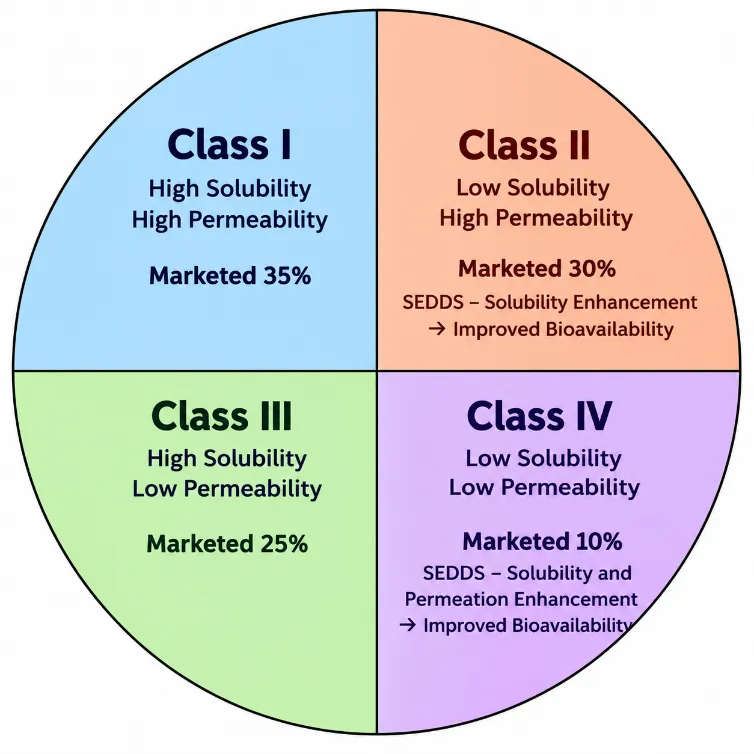
Figure 1. Biopharmaceutics system
1.2 Fundamentals of SEDDS
1.2.1 Composition and Mechanism
1.2.1.1 Oils/Lipids
Oils constitute an indispensable and functionally determinant component of self-emulsifying drug delivery systems (SEDDS), serving not merely as inert vehicles but as active formulation constituents that profoundly influence drug solubilization, gastrointestinal dispersion, intestinal absorption, and, under appropriate lipidic conditions, lymphatic drug transport. Their amphiphilic and lipophilic characteristics facilitate the incorporation of poorly water-soluble therapeutic molecules within the lipidic phase, thereby enabling maintenance of the drug in a solubilized state and potentially circumventing dissolution-related limitations encountered following conventional oral administration. In addition, appropriately selected oils may promote intestinal lymphatic uptake, thereby contributing to enhanced systemic exposure of suitable highly lipophilic compounds.18,19 The oils employed in SEDDS predominantly encompass modified medium-chain and long-chain triglycerides, exhibiting varying degrees of saturation and hydrolysis. Compared with conventional edible oils, these specialized lipidic excipients generally demonstrate superior drug-loading capacity and more favourable self-emulsification characteristics when combined with appropriately selected surfactants and co-surfactants. Furthermore, their enzymatic digestion generates lipid metabolites that resemble physiological products of intestinal lipid processing, facilitating integration with endogenous gastrointestinal lipid-handling pathways. Although natural, unmodified edible oils may initially appear attractive because of their established nutritional and physiological acceptability, their comparatively limited capacity for dissolving substantial quantities of highly lipophilic drugs and their inefficient self-emulsification behaviour restrict their utility in sophisticated SEDDS architectures.20 Contemporary lipid-based formulations consequently employ mono-, di-, and triglycerides, either individually or in rationally optimized combinations, with or without fatty-acid esters of propylene glycol. Both saturated and unsaturated fatty acids have been incorporated into lipidic formulations; among the saturated fatty-acid constituents, caproic, caprylic, capric, lauric, and myristic acids have received considerable attention. These semi-synthetic lipidic constituents possess amphiphilic characteristics and can impart additional surfactant-like functionality to the formulation, thereby influencing interfacial behaviour and spontaneous emulsification. The lipidic constituents of SEDDS predominantly comprise mono-, di-, and triglyceride derivatives exhibiting HLB values approximately between 1 and 6, with melting characteristics extending from approximately −78 °C to +78 °C. Formulation versatility can be further enhanced through incorporation of mono-, di-, and triglycerides in combination with polyethylene glycol (PEG) fatty-acid esters, whose HLB values may extend approximately from 3 to 18, thereby enabling systematic modulation of hydrophilic–lipophilic balance and self-emulsification performance.21,22 Importantly, the physicochemical nature of the incorporated lipid profoundly influences drug precipitation following gastrointestinal dispersion. Long-chain lipidic systems have demonstrated greater resistance to drug precipitation than medium-chain lipid systems, thereby potentially sustaining supersaturated or solubilized drug concentrations for prolonged periods. Following gastrointestinal administration, digestion of the lipidic components stimulates the secretion of bile and pancreatic fluids, promoting the formation of complex colloidal structures, particularly mixed micelles containing bile salts, phospholipids, and cholesterol. These endogenous colloidal assemblies substantially enhance the apparent solubilization capacity of the gastrointestinal milieu and facilitate the presentation of poorly water-soluble molecules to the absorptive intestinal surface. Accordingly, oils within SEDDS represent multifunctional pharmacotechnical excipients, simultaneously contributing to drug solubilization, formulation self-emulsification, resistance to precipitation, stimulation of lipid digestion pathways, enhancement of intestinal absorption, and, for appropriate drug–lipid combinations, facilitation of lymphatic transport. Their judicious selection therefore constitutes a pivotal determinant of the physicochemical robustness and biopharmaceutical performance of SEDDS.23,24
1.2.1.2 Surfactants
Surfactants represent indispensable interfacial modulators within self-emulsifying drug delivery systems (SEDDS), governing the physicochemical transformation of the anhydrous lipidic preconcentrate into a finely dispersed aqueous system following gastrointestinal dilution. Their principal function resides in the attenuation of interfacial tension between the hydrophobic oil phase and the aqueous gastrointestinal milieu, thereby facilitating spontaneous emulsification and the generation of stable oil-in-water (o/w) droplets. Through modulation of interfacial architecture, surfactants exert substantial control over droplet dimensions, dispersion behaviour, drug-release kinetics, and the overall physical stability of the formulation. Beyond their conventional emulsification capacity, surfactants may exert important biopharmaceutical effects at the intestinal interface. Certain surfactant-mediated mechanisms have been associated with modulation of CYP3A4-dependent drug biotransformation through membrane-associated signalling pathways. Furthermore, selected non-ionic surfactants may influence P-glycoprotein (P-gp)-mediated efflux, thereby potentially modifying ATP-binding cassette transporter activity and enhancing the intestinal retention and absorption of susceptible drug molecules. Their interaction with gastrointestinal membrane architecture may also alter lateral membrane packing, facilitating passive transcellular transport under appropriate physicochemical circumstances.25,26 The selection of surfactants for SEDDS is principally dictated by their hydrophilic–lipophilic balance (HLB), aqueous affinity, emulsification efficiency, drug-solubilizing capacity, compatibility, and safety profile. A relatively high HLB generally indicates greater hydrophilic character, which is advantageous for the rapid generation of o/w droplets upon exposure to aqueous gastrointestinal fluids. Such interfacial activity promotes rapid dispersion of the lipidic formulation and facilitates maintenance of the incorporated drug in a solubilized state. Consequently, appropriately selected surfactants may diminish the propensity for drug precipitation within the gastrointestinal environment and sustain drug availability at the absorptive interface. Non-ionic amphiphilic surfactants are particularly favoured in SEDDS and solid SEDDS (S-SEDDS), owing to their ability to function effectively across comparatively broad ranges of pH and ionic strength. Their amphiphilic molecular configuration provides simultaneous affinity toward the lipophilic drug–oil domain and the surrounding aqueous phase, thereby facilitating incorporation of poorly water-soluble active pharmaceutical ingredients and limiting precipitation after gastrointestinal dilution.27,28 Frequently investigated surfactants include Gelucire 50/13 (lauroyl macrogol-32-glyceride), Gelucire 44/14, Gelucire 48/16, Cremophor® EL (polyoxy-35-castor oil), Cremophor® RH 40 (polyoxyethylene hydrogenated castor oil), Labrasol (caprylocaproyl macrogol-8-glyceride), Tween 80 [polyoxyethylene (20) sorbitan monooleate], and Pluronic F127 (poloxamer 407). Their distinct HLB characteristics and interfacial behaviours permit systematic tailoring of the formulation according to the physicochemical properties of the incorporated drug and lipidic phase. For SEDDS, surfactant concentration is frequently optimized within approximately 30–60%, although the appropriate concentration remains formulation-specific. Excessive surfactant incorporation may increase the possibility of gastrointestinal irritation and cytotoxic effects, whereas inadequate surfactant concentration may compromise self-emulsification and drug-solubilization capacity. Conversely, highly lipophilic or high-drug-load formulations may require greater surfactant concentrations to achieve satisfactory incorporation of the active pharmaceutical ingredient. A rational strategy is therefore the combination of complementary surfactants, which may enhance overall solubilization and emulsification efficiency while reducing the total surfactant requirement. Thus, surfactants should be regarded as multifunctional pharmacotechnical constituents rather than merely conventional emulsifying agents. By regulating interfacial tension, droplet formation, colloidal stability, drug solubilization, gastrointestinal dispersion, and potentially transporter-mediated drug disposition, they constitute a fundamental determinant of the physicochemical robustness and biopharmaceutical performance of SEDDS and S-SEDDS.29,30
1.2.1.3 Co-Surfactants/Co-Solvents
Co-surfactants constitute an integral auxiliary component of self-emulsifying drug delivery systems (SEDDS), particularly where substantial quantities of hydrophilic surfactants are required to accommodate highly lipophilic active pharmaceutical ingredients. Their incorporation facilitates the molecular accommodation of both the surfactant and drug within the lipidic continuum and promotes more efficient interfacial reorganization during aqueous dispersion. Short- to medium-chain alcohols and polyhydric cosolvents, including compounds within the approximate C3–C8 range, polyethylene glycol (PEG), and propylene glycol, have been investigated as co-surfactant or cosolvent constituents suitable for oral lipid-based formulations. The principal contribution of a co-surfactant is the augmentation of spontaneous emulsification through reduction of interfacial rigidity and enhancement of interfacial fluidity. By improving molecular mobility at the oil–water boundary, co-surfactants can facilitate more efficient interfacial rearrangement and mitigate undesirable liquid-crystalline organization. Their selection is therefore governed not merely by intrinsic drug-solubilizing capacity but by their ability to maximize the effective emulsification domain in conjunction with the selected primary surfactant.31,32 At the oil–aqueous interface, surfactant and co-surfactant molecules preferentially orient themselves at the interfacial boundary, generating a protective mechanical barrier against droplet coalescence while simultaneously diminishing interfacial free energy. This reduction in the overall free-energy requirement favours spontaneous dispersion and contributes to the thermodynamic and colloidal stability of the resulting system. Co-surfactants may additionally improve dispersion characteristics and gastrointestinal tolerability under appropriate formulation conditions. The relative proportions of surfactant, co-surfactant, and lipid phase exert a decisive influence on the structural characteristics of the resulting delivery system. Formulations containing comparatively high proportions of surfactants and/or co-surfactants relative to the oil phase may generate self-microemulsifying drug delivery systems (SMEDDS). The supplied literature also indicates that co-surfactant omission may compromise the formation of certain self-nanoemulsifying drug delivery systems (SNEDDS), underscoring the importance of interfacial composition in achieving the desired dispersion regime. Consequently, rational selection of surfactant–co-surfactant combinations should prioritize emulsification efficiency and interfacial performance, rather than relying exclusively upon the individual solubilization capacity of the hydrophobic drug. Through complementary interfacial activity, co-surfactants can enhance spontaneous emulsification, reduce interfacial free energy, improve formulation stability, and potentially mitigate drug precipitation following gastrointestinal dilution.33,34
1.3 Drug Selection for SEDDS
Drug selection represents a fundamental determinant of the feasibility and biopharmaceutical performance of SEDDS. Compounds belonging predominantly to BCS Class II and Class IV are frequently investigated because their limited aqueous solubility constitutes a major impediment to conventional oral absorption. Nevertheless, SEDDS are not universally applicable to every therapeutic molecule, and factors such as gastrointestinal precipitation, sedimentation, dose requirements, lipid solubility, and physicochemical compatibility must be incorporated into formulation design. The lipophilicity of the drug, commonly expressed through its logarithmic partition coefficient (log P), constitutes an important parameter for evaluating its suitability for incorporation into lipidic delivery systems. The supplied source indicates that drugs exhibiting log P values exceeding approximately 5 may demonstrate favourable partitioning into the lipid, surfactant, and co-surfactant phases, while compounds with log P > 2 may possess adequate solubility in these formulation constituents. These numerical thresholds should therefore be interpreted as formulation-design guidelines rather than universal eligibility criteria, since actual SEDDS performance is additionally governed by drug dose, melting behaviour, lipid solubility, precipitation propensity, and gastrointestinal fate.35,36 Highly lipophilic molecules incorporated into appropriate SEDDS may remain solubilized within the lipidic formulation following gastrointestinal dispersion, thereby facilitating their presentation to the intestinal epithelial surface. For sufficiently lipophilic compounds, intestinal lipid-processing pathways may additionally promote association with chylomicron-mediated transport and intestinal lymphatic uptake, potentially contributing to enhanced systemic exposure. Accordingly, the rational development of SEDDS necessitates an integrated assessment of drug log P, aqueous and lipid solubility, dose, melting point, gastrointestinal precipitation behaviour, permeability, and compatibility with oils, surfactants, and co-surfactants. Appropriate synchronization of these parameters with the formulation composition is essential for maximizing solubilization, minimizing precipitation, promoting intestinal absorption, and ultimately achieving reproducible therapeutic performance. The commonly investigated components—including oils, surfactants, co-surfactants, and suitable poorly water-soluble drugs—therefore constitute an interdependent formulation matrix rather than isolated excipient categories.37
1.4 Mechanism of Drug Absorption and Bioavailability Enhancement by SEDDS
Following oral administration, SEDDS undergo initial dosage-form disintegration followed by spontaneous self-emulsification under the mild hydrodynamic agitation prevailing within the gastric environment. The resultant fine lipidic droplets establish an extensive interfacial domain that facilitates interaction with the gastrointestinal milieu and promotes the subsequent disposition of incorporated lipophilic drugs. The bioavailability-enhancing capacity of SEDDS arises from the intricate interplay among lipid digestion, drug solubilization, intestinal epithelial transport, modification of the gastrointestinal microenvironment, and, for suitably lipophilic molecules, intestinal lymphatic trafficking. Consequently, the ultimate absorptive performance of a SEDDS is governed by the physicochemical properties of the drug and lipidic constituents together with their gastrointestinal dispersion and digestion behaviour. Within the gastrointestinal tract, lipid digestion represents a pivotal determinant of drug solubilization and absorption. Following gastric administration, partial hydrolysis of triglycerides is initiated by gastric lipase, whereas more extensive digestion occurs within the small intestine through the action of pancreatic lipase. The presence of dietary lipids and their digestion products stimulates biliary secretion, resulting in the delivery of bile salts, phospholipids, and cholesterol into the duodenum. These endogenous amphiphilic constituents interact with lipid digestion products and facilitate the formation of colloidal assemblies capable of incorporating poorly water-soluble drug molecules. Monoglycerides, diglycerides, and free fatty acids generated during lipid hydrolysis become associated with mixed micelles, micelles, and vesicular structures, thereby increasing the apparent aqueous solubilization capacity of the intestinal environment and maintaining the drug in an absorbable state.38,39 Drug transfer toward the absorptive surface subsequently involves passage across the intestinal lumen and the unstirred water layer (UWL) that separates the luminal contents from the apical membrane of enterocytes. The UWL represents a significant diffusional barrier, particularly for highly lipophilic molecules. Lipid digestion and micellar solubilization, however, increase the apparent aqueous compatibility of free fatty acids, monoglycerides, and incorporated drug molecules, thereby facilitating their movement through this aqueous barrier. Importantly, the free drug fraction, rather than the intact micellar structure, is primarily available for transmembrane passage through passive diffusion or carrier-mediated transport mechanisms. The supplied literature also describes interactions between micellar structures and apical membrane-associated transport processes that may contribute to intestinal uptake. Following intracellular entry of monoglycerides and free fatty acids, these lipid components undergo re-esterification within enterocytes to regenerate triglycerides. The newly formed triglycerides are subsequently incorporated into lipoprotein assemblies and released by enterocyte exocytosis into the lamina propria. Highly lipophilic drug molecules, particularly those possessing log P values greater than approximately 5, may associate with these lipoprotein structures and thereby gain access to the intestinal lymphatic transport pathway. The lymphatic route is particularly consequential because the architecture of intestinal lymphatic vessels permits uptake of relatively large lipoprotein-associated assemblies more readily than conventional blood capillaries. Consequently, appropriately lipophilic drug molecules can undergo preferential intestinal lymphatic transport, thereby partially circumventing immediate entry into the portal circulation. Because intestinal lymph subsequently drains into the systemic circulation, this pathway can reduce the extent to which an absorbed drug is subjected to hepatic first-pass extraction. Thus, lymphatic transport may contribute substantially to enhancement of systemic exposure for suitable highly lipophilic therapeutic molecules.40,41 Collectively, the absorption mechanism of SEDDS represents a multistage physicochemical and physiological cascade encompassing spontaneous self-emulsification, lipid digestion, colloidal solubilization, diffusion across the unstirred water layer, enterocytic uptake, intracellular lipid reassembly, lipoprotein association, and lymphatic trafficking. Through the coordinated operation of these processes, SEDDS can substantially mitigate dissolution and solubility constraints associated with poorly water-soluble drugs and, where the drug and formulation possess appropriate characteristics, potentially attenuate presystemic hepatic metabolism. Thus, the gastrointestinal transformation of SEDDS from an anhydrous lipidic preconcentrate into finely dispersed colloidal structures constitutes the mechanistic foundation underlying their capacity to improve the oral bioavailability of selected lipophilic therapeutic agents.42,43
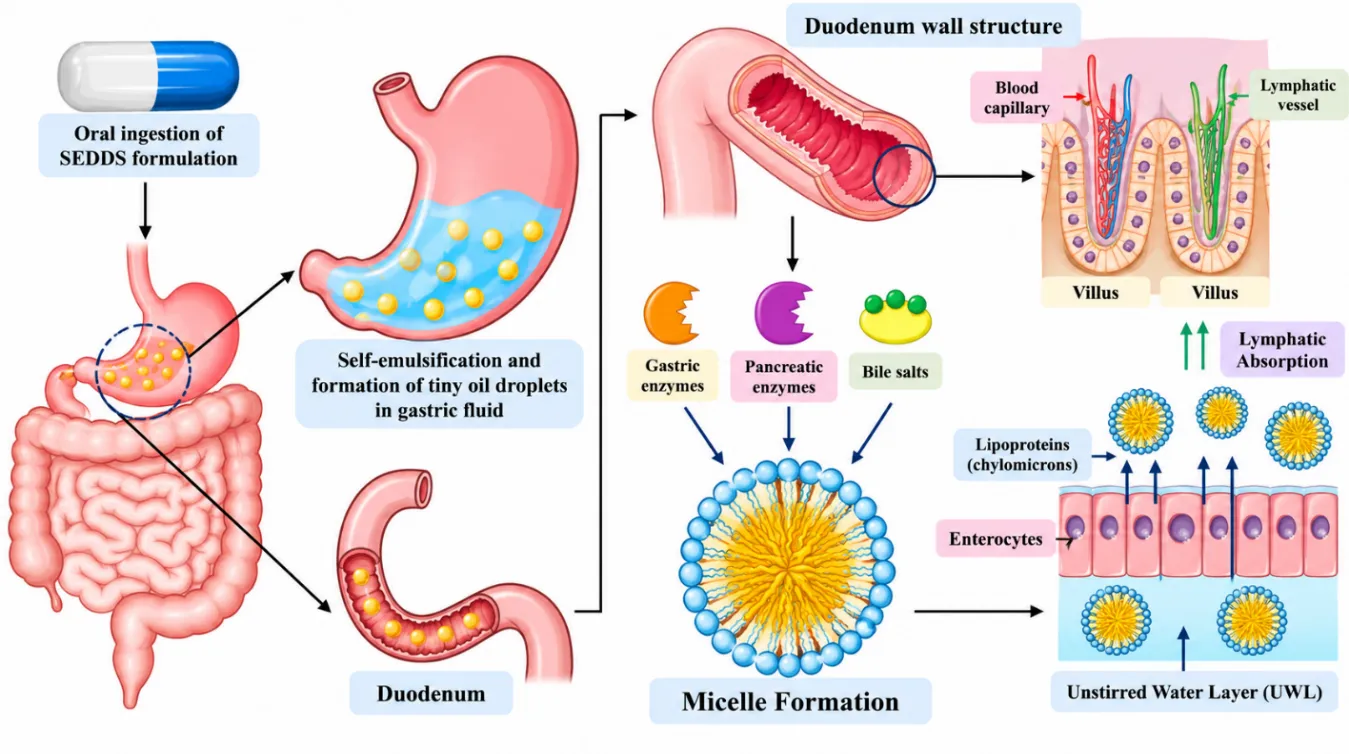
Figure 2. Mechanisms of drug absorption and bioavailability enhancement by SEDDS
1.5 Classification of SEDDS
1.5.1. Conventional SEDDS, SMEDDS, and SNEDDS
Self-emulsifying drug delivery systems (SEDDS) constitute a versatile class of lipid-mediated pharmaceutical delivery platforms whose classification is principally governed by dispersion characteristics, resultant droplet dimensions, physicochemical stability, composition, and consequent enhancement of oral bioavailability. The intrinsic composition of these systems—including the nature and proportion of oils, surfactants, and co-surfactants—critically dictates their self-emulsification kinetics, colloidal architecture, drug-solubilization capacity, and biopharmaceutical performance.44,45 Conventional SEDDS predominantly employ long-chain triglyceride-based lipidic vehicles, whereas self-microemulsifying drug delivery systems (SMEDDS) and self-nanoemulsifying drug delivery systems (SNEDDS) generally incorporate medium- and/or short-chain lipidic constituents together with comparatively hydrophilic, high-HLB surfactants and suitable co-surfactants. Such compositional modifications facilitate more efficient spontaneous dispersion within gastrointestinal fluids and promote the generation of finer colloidal droplets, thereby potentially augmenting interfacial surface area, drug solubilization, and intestinal absorption. Accordingly, conventional SEDDS, SMEDDS, and SNEDDS represent progressively differentiated lipidic systems in which formulation architecture is intrinsically related to emulsification efficiency and biopharmaceutical performance.46,47
1.5.2. Lipid Formulation Classification System (LFCS)
The Lipid Formulation Classification System (LFCS) provides a systematic framework for categorizing lipid-based drug delivery formulations according to their compositional attributes, aqueous dispersion behavior, digestion characteristics, and anticipated influence on drug absorption. Within this classification paradigm, lipidic formulations are segregated into Types I–IV, with SEDDS predominantly represented within Types II and III. Conventional SEDDS are generally associated with Type II formulations, whereas SMEDDS and SNEDDS are conventionally positioned within Type IIIa and Type IIIb formulations, respectively, according to their relative proportions of oil, surfactant, and co-surfactant and their capacity for spontaneous emulsification. A comprehensive comparison of the four LFCS categories, including their compositional constitution, behavior in aqueous environments, and corresponding SEDDS classifications.48
1.5.1 Type I lipid formulations
Type I formulations principally comprise oil and drug without the incorporation of surfactants. The absence of exogenous surfactant-mediated emulsification capacity may restrict the spontaneous dispersion of the formulation within gastrointestinal fluids and consequently compromise drug dissolution into mixed colloidal structures. Following gastrointestinal digestion, this limitation may predispose poorly soluble drugs to precipitation and consequently diminish the fraction available for absorption 49. Within the gastrointestinal milieu, endogenous bile salts and phospholipids contribute to the emulsification and solubilization processes associated with Type I formulations. Nevertheless, the interfacial characteristics of the lipid phase may influence the accessibility of pancreatic lipase, an interracially active digestive enzyme, thereby potentially retarding lipid hydrolysis. Consequently, the extent and efficiency of gastrointestinal lipid digestion constitute critical determinants governing the ultimate solubilization and bioavailability of drugs incorporated within Type I systems.50
1.5.2 Type II lipid formulations
Type II formulations comprise an oil phase in combination with a water-insoluble or predominantly lipophilic surfactant. Surfactants possessing relatively low HLB values (<12) can contribute substantially to drug solubilization while simultaneously promoting dispersion and self-emulsification upon exposure to an aqueous environment. Nevertheless, their comparatively limited hydrophilicity may restrict the extent of drug solubilization following gastrointestinal dilution and digestion. Consequently, although Type II systems exhibit superior emulsification characteristics compared with oil-only Type I formulations, inadequate aqueous affinity may facilitate drug precipitation within the gastrointestinal environment, thereby potentially limiting the concentration of solubilized drug available for intestinal absorption and ultimately constraining oral bioavailability.51,52
1.5.3 Type III lipid formulations
Type III formulations represent more sophisticated lipidic delivery systems comprising oil, surfactant, and co-surfactant, with the surfactant component generally exhibiting a high HLB value (>12). Their amphiphilic composition confers pronounced self-emulsification capability, permitting the spontaneous generation of relatively fine oil-in-water (O/W) dispersions under minimal gastrointestinal agitation. Following administration, Type III systems can undergo rapid aqueous dispersion and subsequent lipid digestion, facilitating the maintenance of poorly water-soluble drug molecules within colloidal solubilized states. Consequently, their physicochemical organization provides a more favorable environment for gastrointestinal drug solubilization and subsequent absorption than is generally achievable with Type I and Type II systems.53
1.5.4 Type IV lipid formulations
Type IV formulations are composed predominantly of surfactant alone or a combination of surfactant and co-surfactant, without a substantial oil component. These systems can exhibit pronounced drug-solubilization capacity because of their high content of amphiphilic excipients. However, their performance may be compromised following extensive gastrointestinal dilution, which can disrupt the colloidal equilibrium and promote drug precipitation, thereby limiting the anticipated improvement in pharmacokinetic performance. Furthermore, the elevated concentrations of surfactants that may be required to maintain adequate drug solubilization can raise concerns regarding gastrointestinal tolerability and potential excipient-associated toxicity. Incorporation of an appropriate co-surfactant may mitigate this limitation by enhancing interfacial fluidity and emulsification efficiency, thereby permitting a reduction in the overall surfactant burden while retaining satisfactory solubilization characteristics. Overall, the LFCS provides a rational framework for understanding the relationship between lipid composition, self-emulsification behaviour, gastrointestinal digestion, drug precipitation, and oral bioavailability. The progressive incorporation of surfactants and co-surfactants from Type I toward Type III systems generally enhances spontaneous dispersion and colloidal drug solubilization, whereas Type IV systems represent highly surfactant-dependent formulations whose gastrointestinal stability and tolerability require careful consideration.54,55
1.6 Formulation Strategies
1.6.1 Liquid SEDDS (L-SEDDS)
Liquid self-emulsifying drug delivery systems (L-SEDDS) constitute a sophisticated lipid-mediated pharmaceutical platform engineered to surmount the persistent biopharmaceutical impediments associated with the inadequate aqueous solubility and dissolution kinetics of poorly water-soluble therapeutic agents. Their formulation principally entails the judicious integration of an appropriate oil phase, surfactant, and co-surfactant, generally followed by homogenization to establish compositional uniformity and physicochemical stability. The drug is initially solubilized within the selected excipients, frequently under mild thermal conditions of approximately 30–50°C, thereby facilitating molecular dissolution, after which the formulation is subjected to intensive blending through high-shear homogenization or controlled magnetic agitation. This comparatively uncomplicated manufacturing paradigm renders L-SEDDS considerably less procedurally demanding than many sophisticated colloidal and particulate drug-delivery platforms. Upon exposure to gastrointestinal aqueous fluids and gentle physiological agitation, L-SEDDS undergo spontaneous self-emulsification, generating finely dispersed lipidic droplets that maintain the incorporated drug in a solubilized or molecularly dispersed state. Consequently, the conventional dissolution-limited phase of oral absorption can be substantially attenuated, thereby facilitating more rapid and efficient gastrointestinal drug uptake. This characteristic is particularly advantageous for highly lipophilic compounds and therapeutics possessing narrow therapeutic indices, for which stabilization of systemic exposure may reduce fluctuations in plasma drug concentrations. The capacity of these systems to accommodate compounds exhibiting elevated lipophilicity further broadens their applicability across diverse therapeutic categories.56,57 The rational selection and optimization of excipients constitute the fundamental determinants of L-SEDDS performance. Preliminary formulation development generally encompasses systematic assessment of drug solubility across diverse oils, surfactants, and co-surfactants. Multiple candidate formulations are subsequently generated by varying the relative proportions of these constituents and evaluating their self-emulsification behavior following dispersion in aqueous media under mild agitation. Droplet-size determination provides an additional quantitative criterion for assessing dispersion quality and formulation robustness. Furthermore, pseudo-ternary phase diagrams are employed to delineate the compositional domain capable of producing efficient self-emulsification, thereby facilitating rational identification of the optimized formulation. The resultant formulation may subsequently undergo comparative bioavailability assessment against an appropriate reference preparation to determine its capacity to enhance gastrointestinal absorption. Oral absorption is governed by an intricate interplay among surfactant concentration, oil-to-surfactant ratio, emulsion polarity, droplet dimensions, and interfacial charge, each of which can profoundly influence self-emulsification efficiency and subsequent drug disposition. Accordingly, formulation optimization must integrate physicochemical attributes with biopharmaceutical performance to establish a reproducible and scalable delivery system.58,59 Despite these considerable advantages, L-SEDDS possess intrinsic physicochemical and technological limitations. Phase separation, drug precipitation during storage, chemical degradation, and inadequate long-term stability may compromise formulation integrity. Their inherently liquid character generally necessitates encapsulation within hard or soft gelatin capsules, which introduces the possibility of leakage and consequent deterioration of dosage-form integrity. Moreover, their liquid configuration may restrict application to moisture-sensitive therapeutic substances, while the comparatively high concentrations of surfactants required for efficient self-emulsification may contribute to gastrointestinal irritation. Environmental variables, particularly temperature and humidity, may further influence physicochemical stability, storage requirements, manufacturing reproducibility, and ultimately shelf life. These limitations have consequently stimulated increasing interest in the solidification of liquid SEDDS. Conversion of L-SEDDS into solid self-emulsifying systems seeks to preserve the intrinsic solubilization and bioavailability-enhancing attributes of the parent lipidic formulation while simultaneously conferring the superior physical stability, handling characteristics, dosing convenience, portability, manufacturability, and patient acceptability associated with conventional solid dosage forms. Thus, the transition from liquid to solid SEDDS represents a strategically important evolution in lipid-based oral drug delivery, integrating enhanced biopharmaceutical performance with improved pharmaceutical robustness.60
1.6.2 Solid SEDDS (S-SEDDS)
The transformation of liquid self-emulsifying drug delivery systems (L-SEDDS) into solid-state platforms represents a strategically significant advancement in lipid-based drug delivery, conferring substantial improvements in drug solubilization, physicochemical stability, safety, controlled-release characteristics, manufacturability, and commercial viability. Solidified SEDDS exhibit superior handling characteristics, enhanced storage stability, reduced susceptibility to environmental degradation, and greater adaptability to conventional pharmaceutical manufacturing technologies. Consequently, solidification provides an effective means of retaining the biopharmaceutical advantages inherent to liquid SEDDS while circumventing several of their formulation and processing limitations. One of the principal advantages of solidification is the enhancement of drug solubilization and dissolution performance. Conventional liquid SEDDS may undergo drug crystallization or precipitation following dilution within the gastrointestinal (GI) milieu, potentially resulting in erratic drug absorption and pronounced pharmacokinetic variability. To mitigate this limitation, supersaturable SEDDS (super-SEDDS) have been developed to accommodate elevated drug loading while maintaining the drug in a metastable solubilized state. Incorporation of liquid lipidic systems into highly porous solid carriers provides a stabilizing microenvironment that can retard crystallization and precipitation, thereby sustaining the apparent solubility of the incorporated drug.61,62 Solidification additionally provides an opportunity to engineer modulated and controlled drug-release profiles. Drug liberation from solid SEDDS may be governed by multiple physicochemical mechanisms, including diffusion from lipidic domains, dissolution of the carrier matrix, and progressive erosion of the solid structural framework. Such mechanistic control can facilitate prolonged drug exposure and potentially improve systemic bioavailability. For example, spray-dried SEDDS incorporating poly(lactic-co-glycolic acid) (PLGA) nanoparticles have demonstrated biphasic or dual-phase release characteristics and improved absorption relative to corresponding liquid systems. From a safety perspective, solid SEDDS may permit a reduction in the dependence on exceptionally high concentrations of surfactants, which are frequently employed in conventional liquid systems to achieve efficient self-emulsification. Excessive surfactant exposure has been associated with gastrointestinal irritation and potential cytotoxicity, particularly under prolonged administration. The incorporation of appropriate solid stabilizers and carrier matrices can therefore facilitate maintenance of drug solubilization while potentially diminishing surfactant-associated adverse effects. Furthermore, solidification can improve oxidative and physicochemical stability by restricting the exposure of lipidic constituents to atmospheric oxygen and environmental moisture, thereby reducing susceptibility to lipid degradation and preserving formulation integrity during storage. From a pharmaceutical manufacturing perspective, S-SEDDS offer pronounced advantages with respect to packaging, transportation, dosage-form versatility, process scalability, and patient acceptability. These systems can be converted into powders, granules, capsules, tablets, or sachets using established pharmaceutical manufacturing technologies. Such versatility may simplify large-scale production while facilitating accurate dose administration and improving patient convenience, including potential applications in pediatric dosage-form design. Accordingly, solidification represents an important technological strategy for reconciling the enhanced bioavailability associated with lipidic delivery systems with the operational advantages of conventional solid dosage forms.63,64
1.6.3 Solid Carriers
The solid carrier constitutes a fundamental structural component of S-SEDDS, functioning as a reservoir for immobilizing, entrapping, or adsorbing the liquid lipidic formulation. Depending upon its physicochemical characteristics, the carrier may encapsulate dispersed lipidic constituents before the drying process or adsorb substantial quantities of the liquid formulation onto its surface and within its porous architecture. An ideal solid carrier should demonstrate high liquid-loading capacity, favourable flowability, adequate mechanical integrity, appropriate porosity, sufficient hydrophilicity, extensive specific surface area, and efficient redispersibility. These characteristics critically influence the physical stability of the resulting formulation, the liberation of the incorporated drug, and its subsequent biopharmaceutical performance. In particular, the redispersion characteristics of the carrier are of considerable importance because they govern the restoration of the self-emulsifying system following exposure to gastrointestinal fluids. Based on their aqueous solubility, solid carriers can broadly be differentiated into water-soluble and water-insoluble carriers. Water-soluble carriers encompass various polymers, polysaccharides, and proteinaceous materials, whereas water-insoluble carriers predominantly include porous and non-porous silica-based adsorbents, selected aluminosilicates, and carbonate-based materials. The selection of a carrier must therefore be rationally correlated with the physicochemical characteristics of the drug, lipidic formulation, intended dosage form, and desired release behaviour.65
1.7 Typical Formulation Methods of Solid SEDDS
1.7.1 Hot-Melt Extrusion
Hot-melt extrusion (HME) represents an advanced, continuous, and solvent-free manufacturing technology increasingly employed for the fabrication of solid SEDDS. In this process, formulation constituents are subjected to controlled thermal and mechanical energy, resulting in melting or softening of the matrix followed by its forced displacement through a specifically engineered die under elevated pressure and temperature. A conventional hot-melt extruder principally comprises a feeding system, extrusion barrel, rotating screw assembly, motor, heating elements, and die. During processing, frictional forces and externally supplied thermal energy facilitate the softening or melting of thermoplastic excipients and polymers within the extrusion barrel. A representative approach for preparing S-SEDDS through HME involves three principal stages: (i) adsorption or incorporation of the liquid SEDDS into a meltable carrier or binder such as hydroxypropyl cellulose (HPC) or microcrystalline cellulose (MCC); (ii) application of controlled thermal and mechanical stresses to promote softening, melting, and homogeneous incorporation of the formulation; and (iii) extrusion of the resultant molten or semisolid mass through an appropriately designed die to generate granules, pellets, films, or other geometrically defined products.66 Extrusion equipment may employ either single-screw or twin-screw configurations. Feeding may be conducted under flood-feeding or starve-feeding conditions, with starve feeding commonly associated with twin-screw extrusion and flood feeding more frequently employed in single-screw systems. Twin-screw extruders may further operate in co-rotating or counter-rotating configurations, depending upon the desired mixing and processing characteristics. The die, positioned at the terminal region of the extrusion barrel, determines the geometry and dimensions of the extrudate and permits production of diverse forms, including strands, films, sheets, pellets, and granules. HME offers several compelling pharmaceutical advantages, including high drug-loading capability, enhanced content uniformity, efficient molecular dispersion, solvent-free processing, reduced processing time, continuous manufacturing potential, and considerable flexibility in dosage-form engineering. Nevertheless, the substantial thermal and mechanical energy imparted during extrusion represents an important constraint. Excessive processing temperatures or prolonged residence times may induce degradation of thermolabile active pharmaceutical ingredients (APIs), thereby restricting the applicability of HME to temperature-sensitive drug substances. Consequently, rational optimization of processing temperature, screw speed, residence time, feed rate, shear intensity, and polymeric carrier composition is indispensable for preserving API integrity while achieving a homogeneous and pharmaceutically robust S-SEDDS matrix.67,68
1.7.2 Lyophilization
Lyophilization, conventionally designated as freeze-drying, constitutes an advanced dehydration technology extensively exploited within pharmaceutical formulation development to enhance the physicochemical stability and storage robustness of drug-delivery systems. The fundamental principle of lyophilization involves the solidification of the solvent through freezing, followed by its direct sublimation under rigorously controlled low-temperature and reduced-pressure conditions, thereby facilitating moisture removal without exposing the formulation to prolonged elevated thermal stress. In the context of solid self-emulsifying drug delivery systems (S-SEDDS), the liquid self-emulsifying formulation is initially subjected to freezing, following which the frozen aqueous phase undergoes sublimation under diminished pressure and temperature conditions, yielding a dry, porous, and physically stable solid matrix. This transformation enables the conversion of liquid lipidic systems into administratively convenient solid formulations while retaining their inherent self-emulsification characteristics. The incorporation of appropriate cryoprotectants or lyoprotective solid carriers, including mannitol, dextrose, and lactose, plays an important role in preserving the structural integrity and physicochemical stability of the formulation throughout the freezing and sublimation stages. These excipients can contribute to the formation of a mechanically coherent dried matrix and facilitate the generation of a stable lyophilized product with favourable flowability, dispersibility, and storage characteristics.69,70 A particularly significant attribute of lyophilization is its exceptionally high dehydration efficiency. The process is capable of eliminating approximately 95–99.5% of the water content, thereby substantially reducing the aqueous environment that may promote hydrolytic degradation or other instability pathways. The resultant reduction in residual moisture can consequently contribute to enhanced product stability during subsequent storage. Furthermore, lyophilization is particularly advantageous for the processing of thermolabile pharmaceutical compounds, because the principal drying stage is conducted under reduced temperature and pressure rather than through conventional high-temperature evaporation. Accordingly, this technique provides a valuable strategy for transforming liquid SEDDS into stable solid systems while minimizing thermal stress and preserving the integrity of temperature-sensitive pharmaceutical constituents.71
1.7.3 Spray Drying
Spray drying constitutes a well-established and industrially scalable pharmaceutical-engineering technology extensively employed for the manufacture of solid particulate drug-delivery systems. The technique facilitates the rapid conversion of a liquid feed formulation into a finely divided, free-flowing powder through controlled exposure to heated drying gas within a specialized drying chamber. During this process, the liquid feed undergoes atomization into minute droplets, followed by rapid evaporation of the volatile solvent or aqueous phase, ultimately generating discrete solid particles. For the development of solid self-emulsifying drug delivery systems (S-SEDDS), the liquid SEDDS formulation containing the drug, lipidic constituents, surfactants, and co-surfactants can be combined with an appropriate solid carrier or matrix-forming excipient prior to spray drying. The resulting dried particulate system immobilizes the liquid lipidic formulation within the solid matrix while retaining the fundamental self-emulsification characteristics of the parent formulation. Upon subsequent contact with an aqueous gastrointestinal environment, the system can undergo rapid reconstitution and facilitate the formation of finely dispersed lipidic droplets, thereby supporting enhanced drug dissolution and solubilization.72,73 A major advantage of spray drying is its single-step, relatively rapid, and readily scalable processing capability, making it particularly attractive for commercial pharmaceutical manufacture. The technique can generate particles with comparatively uniform morphological characteristics and may contribute to improved powder handling, dissolution behaviour, redispersibility, and dosage-form manufacturability. Furthermore, the incorporation of suitable solid carriers can improve the physical stability of liquid SEDDS and facilitate their conversion into capsules, tablets, sachets, or other solid dosage forms.74,75 Nevertheless, spray drying is associated with certain technological limitations. The exposure of formulation components to elevated drying temperatures may compromise the chemical or structural integrity of thermolabile active pharmaceutical ingredients, proteins, peptides, and other temperature-sensitive biomolecules. Consequently, careful optimization of inlet and outlet temperatures, feed rate, atomization conditions, carrier concentration, and drying-gas parameters is essential to minimize thermal degradation. In addition, process yield may be comparatively low in certain formulations, owing to particle deposition on the drying-chamber walls, incomplete powder recovery, or suboptimal atomization and drying conditions. Thus, although spray drying presents important advantages in terms of process simplicity, scalability, particle engineering, and improved dissolution performance, its successful application to S-SEDDS requires rigorous control of thermal exposure and process parameters to ensure preservation of drug integrity and adequate powder recovery.76
1.7.4 Adsorption onto Solid Carriers
Adsorption represents a thermodynamically favourable interfacial phenomenon in which molecules of an adsorbate become concentrated at the surface of an adsorbent. The process is generally accompanied by the liberation of heat and is profoundly governed by the physicochemical characteristics, surface architecture, porosity, and liquid-retention capacity of the adsorbent material. Within the domain of solid self-microemulsifying drug delivery systems (S-SMEDDS), adsorption is regarded as one of the most straightforward, economical, and technologically accessible solidification strategies for transforming liquid lipidic formulations into stable solid systems. In this approach, the liquid SMEDDS formulation is incorporated into a highly porous solid adsorbent possessing substantial liquid-loading capacity. The liquid formulation is immobilized within the internal pores and on the extensive surface area of the carrier, thereby generating a free-flowing, physically stable particulate system while retaining the intrinsic self-emulsification characteristics of the parent formulation. The physicochemical attributes of the carrier—including porosity, specific surface area, surface energy, liquid adsorption capacity, flowability, and compactability—therefore exert a decisive influence on the quality and performance of the resulting S-SMEDDS.77 A variety of porous materials have been investigated as solid adsorbents, including Neusilin US2 (magnesium aluminometasilicate), Aerosil 200 (silicon dioxide), Florite RE (porous silicate), Syloid 244 FP (porous silicon dioxide), colloidal silica, and dextran. Among these, Neusilin US2 has received considerable attention because of its pronounced liquid-loading capacity, favourable powder-flow characteristics, and excellent compaction behaviour. These properties facilitate subsequent conversion of the adsorbed formulation into conventional solid dosage forms. The resultant solid SMEDDS may either be filled directly into hard gelatin capsules or blended with additional pharmaceutical excipients and subjected to compression for the manufacture of tablets. Accordingly, adsorption provides a comparatively uncomplicated route for converting liquid lipidic formulations into solid systems while simultaneously improving handling characteristics, physical stability, dosage-form versatility, and manufacturability.78,79
1.7.5 Three-Dimensional Printing
The integration of three-dimensional (3D) printing technology into pharmaceutical formulation science represents a technologically sophisticated paradigm for the fabrication of solid SEDDS with precisely engineered geometries, drug distributions, and release characteristics. Unlike conventional manufacturing approaches, 3D printing enables the spatially controlled deposition of formulation materials according to a predefined digital architecture, thereby creating dosage forms with highly customizable structural and biopharmaceutical attributes. Techniques such as fused deposition modeling (FDM) and semisolid extrusion-based 3D printing have been explored for the fabrication of solid dosage forms incorporating liquid SEDDS or self-nanoemulsifying drug delivery systems. Through appropriate selection of printable matrices and processing parameters, liquid lipidic formulations can be incorporated within solid architectures designed to enhance formulation stability, dosing precision, and patient acceptability.80,81 For example, 3D-printed hollow tablets incorporating self-nanoemulsifying formulations have been investigated for the delivery of poorly water-soluble drugs such as curcumin, with the architectural characteristics of the dosage form being exploited to modulate drug-release behaviour. Critical printing variables—including wall thickness, nozzle dimensions, deposition parameters, printing speed, and formulation composition—can be systematically manipulated to regulate the internal structure and consequently influence drug liberation, dissolution behaviour, and gastrointestinal performance. The incorporation of lipid-based delivery systems within digitally engineered polymeric matrices further provides an opportunity to develop personalized and multifunctional dosage forms, including formulations capable of accommodating multiple therapeutic agents within a single dosage unit. Such an approach may facilitate individualized drug dosing and tailored release kinetics while potentially improving protection of incorporated formulations against adverse gastrointestinal conditions.82,83
1.7.6 Integrated Perspective
The technological progression from liquid SEDDS to solid SEDDS encompasses a diverse spectrum of solidification strategies. Following the preparation of liquid SEDDS through low- or high-energy mixing approaches, the resulting formulation may be transformed into a solid dosage form through hot-melt extrusion, spray drying, adsorption onto porous solid carriers, lyophilization, or 3D printing. These methodologies permit the subsequent fabrication of capsules, tablets, granules, powders, and architecturally customized dosage forms. Collectively, these technologies demonstrate the considerable formulation versatility of S-SEDDS by integrating the solubilization and self-emulsification advantages of lipid-based systems with the improved stability, portability, manufacturability, dosage-form flexibility, and patient acceptability associated with solid pharmaceutical preparations.84.85
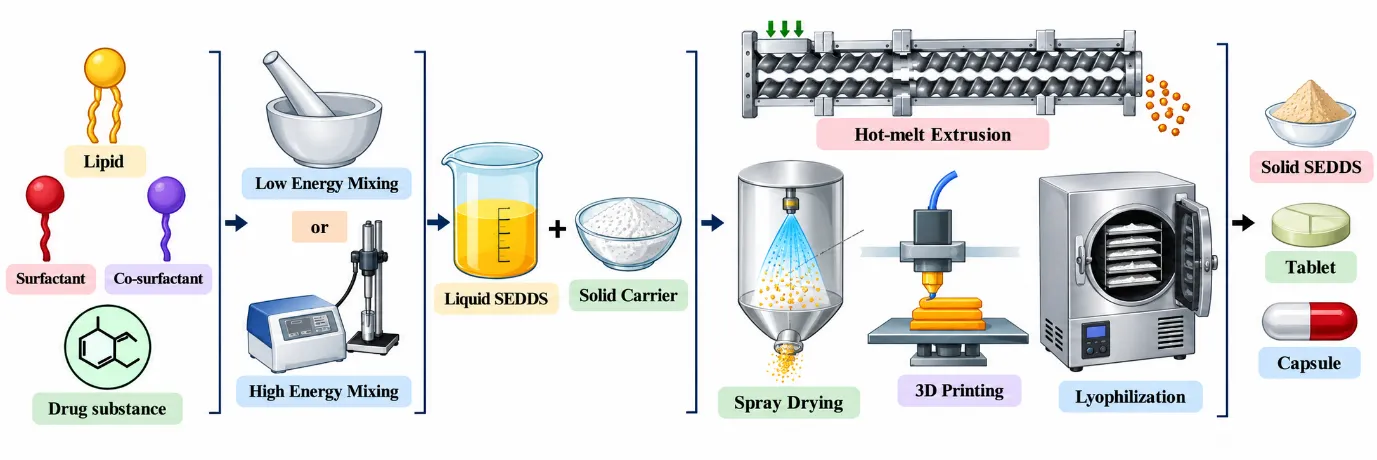
Figure 3. Liquid SEDDS to solid SEDDS using various techniques
1.8 Characterization Methods for SEDDS
Comprehensive physicochemical and biopharmaceutical characterization constitutes an indispensable prerequisite for establishing the quality, stability, reproducibility, and therapeutic performance of self-emulsifying drug delivery systems (SEDDS). The analytical interrogation of these systems encompasses both their intrinsic formulation attributes and their behaviour following aqueous dispersion or gastrointestinal simulation. Although several characterization parameters are applicable to both liquid and solid SEDDS, solidified systems additionally necessitate rigorous evaluation of their solid-state properties. Following aqueous reconstitution, S-SEDDS may be subjected to essentially the same performance-oriented investigations employed for liquid formulations. The self-emulsification efficiency represents a fundamental quality attribute and reflects the propensity of the formulation to undergo spontaneous or minimally agitated emulsification upon exposure to an aqueous environment. This parameter is intrinsically associated with the interfacial behaviour of oils, surfactants, and co-surfactants and consequently governs the rapidity and reproducibility of dispersion. Droplet-size distribution and polydispersity provide critical insight into the efficiency of emulsification, interfacial stabilization, and the resultant surface area available for drug partitioning and absorption. Smaller and relatively homogeneous droplets generally provide an increased interfacial area and may facilitate more efficient drug transfer across the gastrointestinal milieu.86,87 Cloud-point determination constitutes another important parameter, particularly for non-ionic surfactant-containing systems. It provides an indication of the thermal robustness of the formulation and assists in predicting potential destabilization under altered temperature conditions. In vitro dissolution and drug-release studies further elucidate the extent and kinetics of drug liberation following aqueous dispersion and provide an essential bridge between formulation characteristics and anticipated biopharmaceutical performance. For S-SEDDS, these conventional evaluations must be complemented by sophisticated solid-state characterization. Powder X-ray diffraction (PXRD/XRPD) and differential scanning calorimetry (DSC) are employed to determine the crystalline or amorphous state of the drug and to identify potential alterations in solid-state organization. Fourier-transform infrared (FTIR) spectroscopy and DSC facilitate investigation of drug–excipient interactions, whereas scanning electron microscopy (SEM) and transmission electron microscopy (TEM) provide morphological information. PXRD, Raman spectroscopy, and infrared spectroscopic analyses may additionally reveal polymorphic transformations and structural alterations induced during solidification. From a manufacturing perspective, the flowability and compressibility of SEDDS-loaded powders are of paramount importance for capsule filling and tablet manufacture. Parameters such as angle of repose, Hausner ratio, and Carr's compressibility index provide quantitative measures of powder flow and packing behaviour. Adequate flow characteristics are essential for achieving acceptable weight variation, content uniformity, and reproducible pharmaceutical performance.88,89
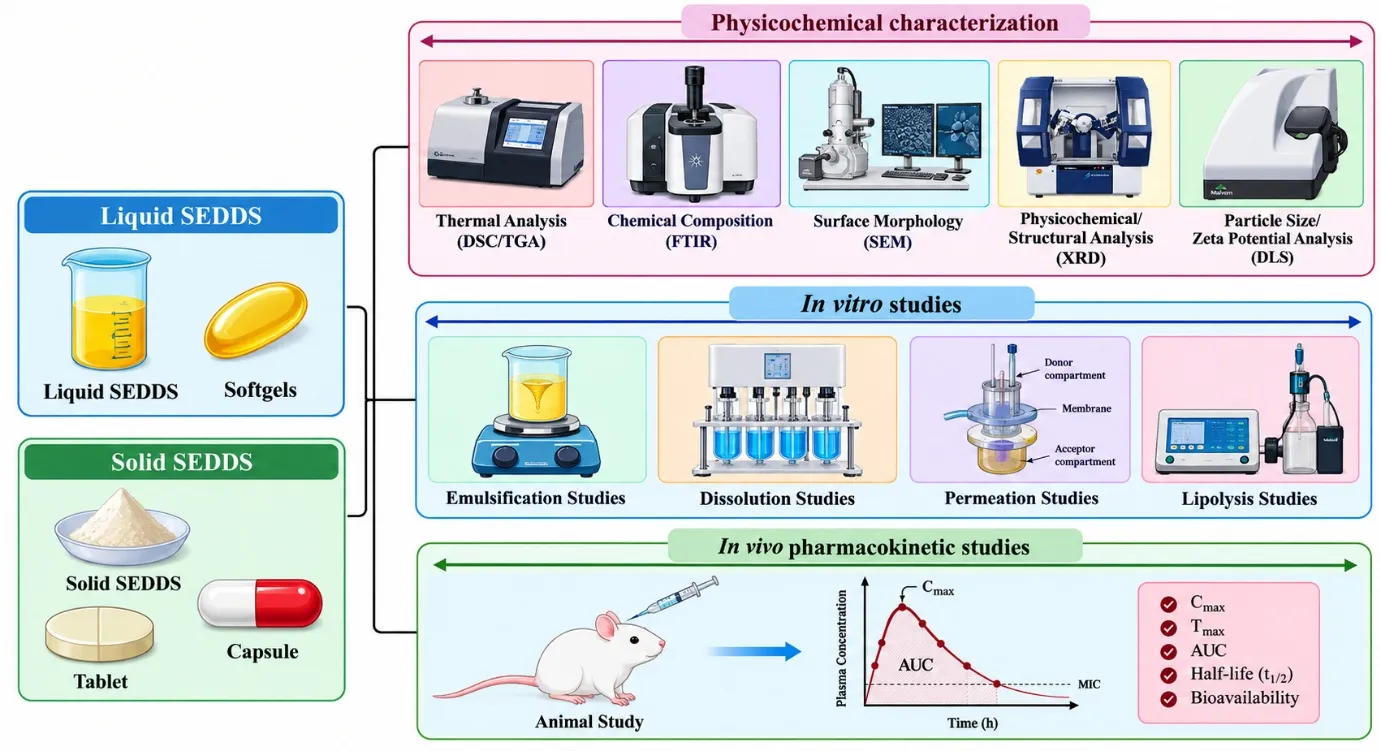
Figure 4. Characterization and evaluation of SEDDS formulations
1.9 Applications of SEDDS
1.9.1 Enhanced Bioavailability
The principal pharmaceutical utility of SEDDS resides in their capacity to augment the oral bioavailability of hydrophobic and poorly water-soluble drugs. Following gastrointestinal administration, SEDDS spontaneously generate fine oil-in-water dispersions possessing considerably greater interfacial surface area than conventional emulsions. This facilitates drug solubilization and reduces the dependence of absorption upon the conventional dissolution process. Nevertheless, conventional liquid SEDDS may necessitate relatively substantial surfactant concentrations and remain susceptible to drug precipitation, capsule incompatibility, and storage instability. These limitations have stimulated the development of solid SEDDS (S-SEDDS) and supersaturable SEDDS (Su-SEDDS). Incorporation of solid carriers and precipitation-inhibiting polymers can improve formulation stability while sustaining the drug in a supersaturated state following gastrointestinal dilution. Consequently, these advanced systems may enhance the concentration gradient driving intestinal drug absorption while reducing the propensity for recrystallization.90,91
1.9.2 Controlled-Release SEDDS
Although SEDDS are inherently advantageous for rapid drug solubilization and absorption, accelerated drug release may be undesirable for compounds possessing short biological half-lives or narrow therapeutic windows. Excessively rapid absorption may produce pronounced fluctuations in systemic drug concentrations. Accordingly, controlled-release SEDDS have been engineered to reconcile the solubilization advantages of lipidic systems with prolonged and regulated drug liberation.
1.9.3 Osmotic SEDDS
Osmotically regulated SEDDS employ osmotic principles to establish a controlled driving force for drug release. Osmogens such as mannitol or sodium chloride facilitate water influx through a semipermeable membrane, generating osmotic pressure that promotes drug expulsion through a precisely engineered delivery orifice. Release kinetics can consequently be modulated through manipulation of the orifice dimensions and membrane-coating characteristics, including cellulose acetate or ethyl cellulose. The supplied example of an isradipine-containing osmotic SEDDS illustrates the potential of this strategy for extending drug release for approximately 12 h while improving bioavailability. Optimization of osmotic agents, membrane characteristics, and orifice dimensions enabled regulation of the release process toward a near-zero-order profile.92,93
1.9.4 Floating and Gastroretentive SEDDS
Gastroretentive and floating SEDDS represent another sophisticated approach for prolonging gastrointestinal residence and improving drug exposure at specific absorption sites. Such systems are particularly relevant to drugs possessing narrow absorption windows, inadequate stability within the intestinal environment, or short biological half-lives. The integration of self-emulsification with floating drug-delivery technology enables simultaneous enhancement of lipid-mediated solubilization and prolongation of gastric residence. In the cited ginkgolide-based system, solid SNEDDS were combined with Syloid® XDP3050 and sodium bicarbonate to decrease dosage-form density and generate carbon dioxide, thereby promoting buoyancy. The resulting system demonstrated sustained drug release over approximately 12 h with reduced fluctuations in plasma concentrations.
1.9.5 Mucoadhesive–SEDDS Platforms
Mucoadhesive polymers provide an additional mechanism for prolonging drug residence at the gastrointestinal absorption interface. Their interaction with mucosal surfaces can increase the residence time of the formulation and consequently extend the period available for drug absorption. Thiolated polymers are particularly notable because their thiol groups can participate in covalent interactions with cysteine-containing domains of mucus glycoproteins, thereby strengthening mucoadhesion. Chitosan, through its protonated amino groups, can interact electrostatically with mucin. Structural modification, including N-acylation, may further alter its lipophilicity and facilitate hydrophobic interactions with the mucosal layer. The cited acyl-chitosan SNEDDS containing cefixime exhibited higher plasma drug concentrations than conventional SNEDDS and the pure-drug comparator. Similarly, SEDDS-containing buccal systems incorporating thiolated polyacrylic acid fibers demonstrated markedly prolonged buccal residence and enhanced penetration of lipophilic compounds such as curcumin.94,95
1.9.6 Ionic Drug–Polymer Interactions
Ionic complexation provides an alternative mechanism for regulating the release of hydrophilic drugs incorporated into SEDDS. In this strategy, anionic drugs such as captopril are complexed with lipophilic cationic methacrylate polymers, including Eudragit RS, RL, and E. Such ionic association can retard the otherwise rapid aqueous liberation of hydrophilic molecules.
The resultant interaction promotes prolonged retention within the lipidic environment and consequently facilitates gradual drug liberation. Beyond release modulation, the ionic complex may provide additional protection against gastrointestinal enzymatic degradation, thereby potentially improving the persistence of the active drug within the gastrointestinal tract.
1.10 Targeted Drug Delivery Using SEDDS
Targeted SEDDS constitute an advanced formulation paradigm in which the self-emulsifying platform is functionalized with targeting ligands or biologically interactive components intended to enhance localization within particular tissues or cellular populations. Such engineering may increase therapeutic exposure at the intended site while potentially limiting nonspecific systemic distribution. The cited fisetin-loaded SNEDDS incorporated guar gum, xanthan gum, and pectin to facilitate colon-directed delivery. The resulting formulation demonstrated a reported 4.4-fold enhancement in bioavailability, with delayed attainment of maximum plasma concentration consistent with prolonged release from the colon-targeted system.96,97 Similarly, enoxaparin-functionalized SEDDS containing docetaxel were investigated for delivery to drug-resistant tumour cells. Enoxaparin was reported to influence intracellular drug retention through modulation of efflux transporters including MRP1 and BCRP, while facilitating FGFR1-associated cellular uptake. Hyaluronic-acid-functionalized ciprofloxacin SNEDDS represent another targeting strategy directed toward intestinal infection. The supplied study describes interactions involving CD44 and Toll-like receptor 4 and reports enhanced intestinal permeability together with prolonged drug release. Collectively, these examples illustrate how molecular recognition, polymeric targeting, and lipid-based self-emulsification can be integrated into multifunctional delivery architectures.98
1.11 Recent Technological Modifications of SEDDS
1.11.1 Integration of SEDDS with Three-Dimensional Printing
The convergence of SEDDS with three-dimensional (3D) printing constitutes a technologically sophisticated progression toward digitally controlled and individualized drug delivery. Additive manufacturing enables modulation of dosage-form geometry, internal architecture, drug loading, and release characteristics while SEDDS simultaneously address the solubility and absorption limitations of poorly water-soluble compounds. Fused deposition modeling (FDM), bioprinting, and related additive-manufacturing methodologies have been investigated for fabricating dosage forms capable of incorporating SEDDS. The cited example of 3D-printed capsule shells containing cyclosporin SNEDDS illustrates the potential for integrating enhanced drug solubilization with programmable release characteristics. Additional reported applications encompass lidocaine suppositories, curcumin and lansoprazole tablets, and dapagliflozin-containing dosage forms. This convergence may ultimately facilitate the fabrication of patient-specific dosage forms with individually adjusted dose strengths, release kinetics, and combinations of active pharmaceutical ingredients.99,100
1.11.2 Self-Double-Emulsifying Drug Delivery Systems
Self-double-emulsifying drug delivery systems (SDEDDS) represent a further elaboration of the conventional self-emulsification concept and are particularly relevant to the simultaneous formulation of hydrophilic and lipophilic therapeutics. Upon aqueous dilution, these systems can generate multiple-emulsion architectures, including water-in-oil-in-water (W/O/W) and oil-in-oil-in-water (O/O/W) configurations. The internal aqueous or lipidic compartments provide additional opportunities for compartmentalized drug incorporation, potentially improving the stability and bioavailability of compounds with divergent physicochemical characteristics. W/O/W systems are particularly relevant to active substances whose incorporation into conventional lipidic systems is difficult because of their hydrophilic nature. The supplied example involving a self-double-nanoemulsifying system containing zanamivir demonstrated enhanced permeability and absorption relative to the poorly absorbed drug. Likewise, W/O/W SNEDDS containing imatinib mesylate were reported to provide superior drug-release behaviour and improved efficiency compared with the unformulated drug. Collectively, these emerging architectures demonstrate the progressive transformation of SEDDS from relatively simple lipidic solubilization systems into multifunctional, programmable, targeted, and potentially patient-specific pharmaceutical delivery platforms.101
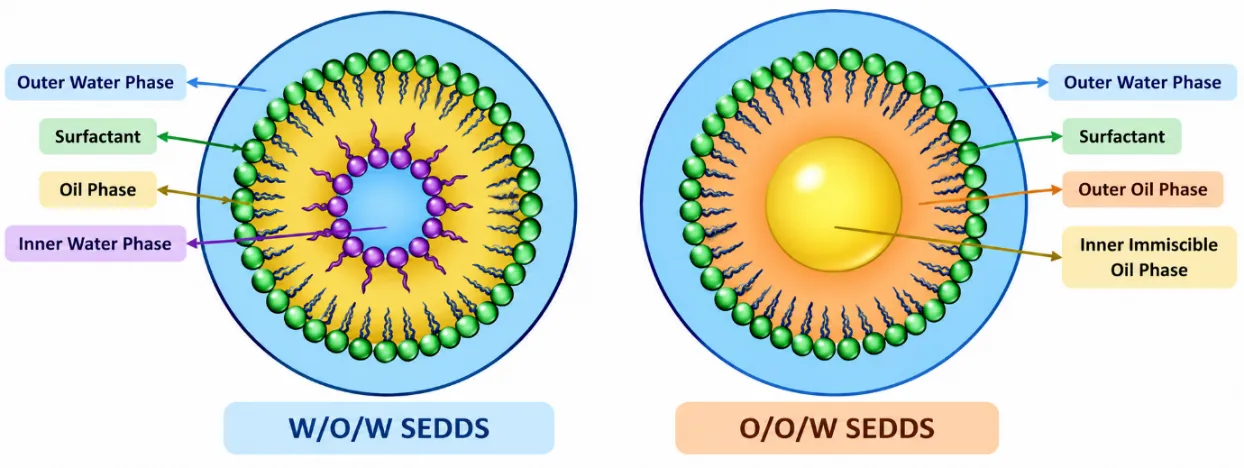
Figure 5. Schematic representation of a self-double-emulsifying drug delivery system
2. Challenges and Limitations of SEDDS
Although self-emulsifying drug delivery systems (SEDDS) have emerged as an exceptionally versatile lipid-based platform for mitigating the biopharmaceutical limitations of poorly water-soluble drugs, their broader pharmaceutical translation remains constrained by a constellation of physicochemical, biopharmaceutical, manufacturing, and regulatory complexities. The intrinsic susceptibility of liquid SEDDS to phase separation, drug precipitation, oxidative degradation, and environmental perturbations such as fluctuations in temperature and humidity represents a major impediment to long-term formulation stability. Furthermore, encapsulation within gelatinous shells may predispose liquid systems to leakage and shell–excipient incompatibilities, thereby compromising product integrity and shelf-life. These limitations have stimulated the development of solidified SEDDS, although solid-state conversion introduces additional formulation and process-development challenges.102,103 A further limitation resides in the substantial surfactant burden frequently required to achieve spontaneous emulsification and adequate solubilization of highly lipophilic active pharmaceutical ingredients. Although surfactants are indispensable for attenuating oil–water interfacial tension and generating finely dispersed droplets, excessive concentrations may elicit gastrointestinal irritation and cytotoxicity, particularly under conditions of prolonged administration. Consequently, the rational selection of pharmaceutically acceptable, biocompatible surfactants possessing an appropriate hydrophilic–lipophilic balance (HLB) remains a critical determinant of formulation feasibility. Moreover, dilution within gastrointestinal fluids may induce supersaturation followed by recrystallization or precipitation of the incorporated drug, thereby attenuating the anticipated enhancement in dissolution and systemic exposure. Incorporation of precipitation inhibitors, polymeric stabilizers, and optimized excipient ratios constitutes an important strategy for mitigating this phenomenon. Drug-loading capacity constitutes another intrinsic constraint, particularly for high-dose therapeutics or molecules exhibiting exceptionally poor solubility within lipidic excipients. Translation from laboratory-scale optimization to industrial manufacture presents additional difficulties, necessitating stringent control over component ratios, emulsification characteristics, content uniformity, and batch-to-batch reproducibility. Solidification approaches, including spray drying, hot-melt extrusion, adsorption onto porous carriers, and lyophilization, may improve handling and stability but can simultaneously increase process complexity, manufacturing expenditure, and the risk of incompatibility or degradation. Furthermore, the absence of universally harmonized regulatory and characterization frameworks for sophisticated SEDDS architectures may complicate their pharmaceutical development and regulatory translation. Their applicability to hydrophilic molecules, peptides, proteins, and other macromolecular therapeutics also remains comparatively restricted. Nevertheless, contemporary advances in excipient engineering, computational formulation design, hybrid delivery platforms, and stimuli-responsive systems are progressively addressing these limitations, thereby broadening the translational horizon of SEDDS.104,105
3. Future Trends and Emerging Perspectives
The future trajectory of SEDDS is increasingly defined by the convergence of lipid-based formulation science with digital pharmaceutics, additive manufacturing, advanced biomaterials, computational modelling, and precision therapeutics. Rather than remaining confined to conventional bioavailability enhancement, contemporary SEDDS research is progressively directed toward patient-specific dosage design, site-selective delivery, controlled drug release, macromolecular therapeutics, and multifunctional hybrid systems.
3.1 Personalized Medicine and Patient-Specific SEDDS
The emergence of personalized medicine has created an unprecedented opportunity for tailoring SEDDS according to individual therapeutic requirements. Integration of three-dimensional printing with SEDDS technology permits precise manipulation of dosage strength, geometric architecture, internal compartmentalization, and drug-release kinetics. Such manufacturing flexibility may facilitate the incorporation of multiple active pharmaceutical ingredients within a single dosage unit, thereby accommodating complex therapeutic regimens and individualized dosing requirements. Three-dimensional printed SEDDS-based systems may consequently provide a technologically sophisticated platform for addressing inter-individual differences in drug disposition, metabolic capacity, therapeutic response, and dose requirements. The convergence of self-emulsification technology with additive manufacturing therefore represents a transition from conventional mass-produced dosage forms toward digitally enabled, patient-centric pharmaceutical systems.106
3.2 In Silico and Computational Formulation Development
Computational pharmaceutics is increasingly assuming a pivotal role in the rational design and optimization of SEDDS. Molecular docking, molecular-dynamics simulations, computational solubility prediction, and quantitative structure–property relationships can facilitate prediction of drug–excipient compatibility and elucidation of molecular interactions underlying formulation performance. Furthermore, machine-learning methodologies can potentially establish predictive relationships between excipient characteristics and critical quality attributes, including droplet diameter, polydispersity, zeta potential, emulsification time, dissolution behaviour, and drug-release kinetics. Integration of computational prediction with experimentally validated formulation development could substantially reduce empirical screening, accelerate optimization, and improve formulation robustness.
3.3 SEDDS for Biologics and Peptide Therapeutics
Expansion of SEDDS toward peptides, proteins, and other biologically derived therapeutics represents a particularly challenging yet consequential frontier. Such macromolecules are frequently compromised by enzymatic degradation, limited epithelial permeability, and inadequate gastrointestinal stability. Appropriately engineered SEDDS may provide a protective lipidic microenvironment capable of attenuating exposure to hostile gastrointestinal conditions while facilitating epithelial transport. Reverse-micellar architectures and related lipid-based systems may therefore provide opportunities for improving the gastrointestinal disposition of peptide therapeutics. Nevertheless, the complexity of macromolecular stability, epithelial transport, enzymatic degradation, and reproducible systemic exposure necessitates extensive mechanistic and translational investigation.107
3.4 Hybrid SEDDS Platforms
Hybridization of SEDDS with nanoparticles, polymeric matrices, liposomes, and other advanced delivery technologies represents another rapidly developing paradigm. Such multifunctional systems can theoretically integrate the solubilization advantages of lipidic formulations with the structural, targeting, and controlled-release capabilities of nanoscale or polymeric carriers. Lipid–polymer hybrid systems, for example, may facilitate enhanced drug loading, sustained release, and improved biological localization. Their potential application to anticancer therapeutics is particularly notable because simultaneous modulation of drug solubilization, release kinetics, cellular uptake, and tissue distribution may permit more sophisticated therapeutic architectures.
3.5 Supersaturable SEDDS
Supersaturable SEDDS (Su-SEDDS) have been developed to address one of the fundamental liabilities of conventional lipidic formulations—drug precipitation following gastrointestinal dilution and lipid digestion. Through incorporation of precipitation-inhibiting polymers or other stabilizing excipients, Su-SEDDS are designed to maintain the drug in a transient supersaturated state for a prolonged period, thereby increasing the concentration gradient available for intestinal absorption. This strategy is particularly pertinent to highly lipophilic molecules for which conventional solubilization may be insufficient to sustain the drug in a molecularly dispersed state after gastrointestinal dilution. Accordingly, supersaturation stabilization represents an important avenue for maximizing the biopharmaceutical advantages of lipid-based formulations.108,109
3.6 Targeted and Stimuli-Responsive SEDDS
The incorporation of physiological responsiveness into SEDDS represents a further evolution toward precision drug delivery. Formulations engineered to respond to pH, enzymatic activity, temperature, or other biological stimuli may permit spatial and temporal regulation of drug release. Such systems could theoretically restrict drug liberation to predetermined gastrointestinal compartments or pathological microenvironments. Ligand-mediated targeting represents another promising strategy. Functionalization with molecules such as hyaluronic acid or folic acid may facilitate interaction with specific cellular receptors and potentially enhance localization within diseased tissues. Such approaches are particularly relevant to oncology and other therapeutic domains in which minimizing nonspecific exposure is an important formulation objective.110
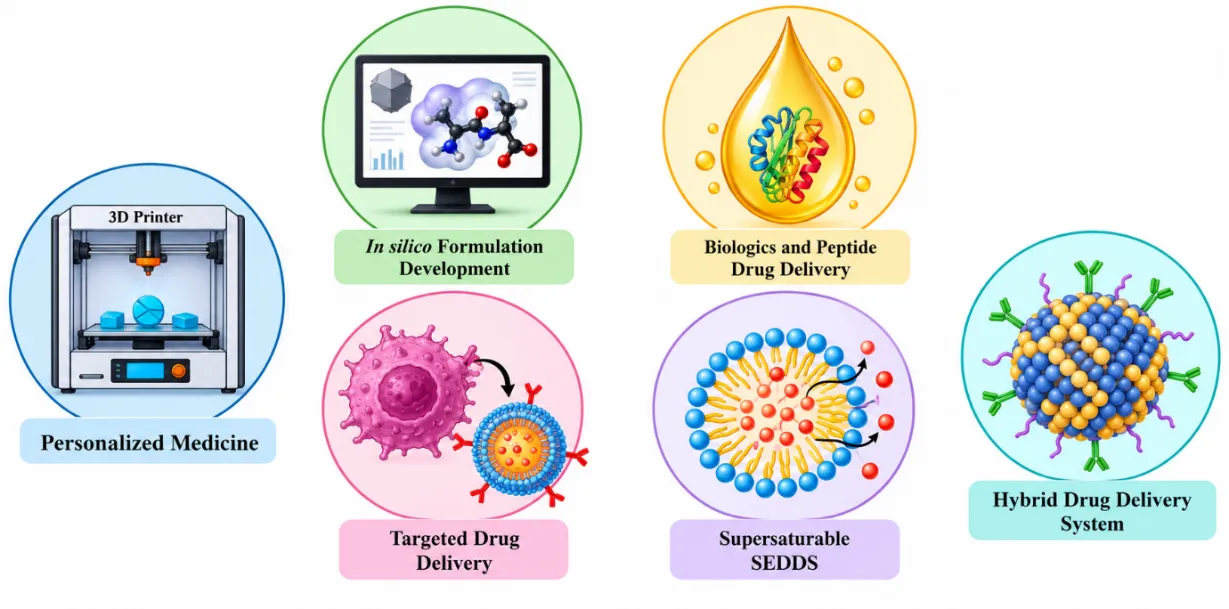
Figure 6. Emerging trends in SEDDS innovation
4. Conclusions and Perspectives
Self-emulsifying drug delivery systems constitute a sophisticated and continually evolving platform for circumventing the formidable biopharmaceutical barriers associated with poorly water-soluble therapeutic agents. Their fundamental capacity to generate finely dispersed lipidic droplets upon exposure to aqueous gastrointestinal environments enables substantial enhancement of drug solubilization and dissolution while potentially facilitating intestinal and lymphatic absorption. The conceptual diversification of SEDDS into conventional SEDDS, self-microemulsifying drug delivery systems (SMEDDS), and self-nanoemulsifying drug delivery systems (SNEDDS) has further expanded the technological versatility of this formulation strategy. A particularly consequential development has been the progressive transition from conventional liquid systems toward solid SEDDS. Solidification through adsorption onto porous carriers, spray drying, hot-melt extrusion, lyophilization, and related technologies can mitigate several limitations inherent to liquid formulations, including leakage, storage instability, handling difficulties, and restricted dosage-form flexibility. Importantly, however, solidification should not be regarded merely as a physical conversion process; rather, it represents a formulation-engineering challenge requiring preservation of the parent system's self-emulsification behaviour, drug solubilization capacity, and biopharmaceutical performance. Comprehensive characterization remains indispensable for establishing the quality and functional integrity of these systems. Evaluation of emulsification efficiency, droplet size, polydispersity, zeta potential, cloud point, dissolution behaviour, and drug precipitation provides critical insight into formulation performance. For solid SEDDS, complementary solid-state investigations employing differential scanning calorimetry, powder X-ray diffraction, infrared spectroscopy, Raman spectroscopy, scanning electron microscopy, and related analytical methodologies are essential for elucidating drug–excipient interactions, crystallinity, polymorphic transitions, and morphological characteristics. The therapeutic scope of SEDDS has consequently progressed beyond simple enhancement of oral bioavailability. Controlled-release, gastroretentive, floating, mucoadhesive, targeted, supersaturable, hybrid, and three-dimensionally printed systems illustrate the increasing sophistication of this technological platform. Emerging applications in peptide and biologic delivery further demonstrate the possibility of extending lipid-based self-emulsification beyond conventional small-molecule therapeutics. Nevertheless, substantial challenges remain, particularly concerning surfactant-associated tolerability, drug precipitation, limited drug-loading capacity, scalability, excipient compatibility, formulation reproducibility, and regulatory standardization. Addressing these barriers will require an interdisciplinary convergence of pharmaceutical formulation science, materials engineering, computational modelling, biopharmaceutics, nanotechnology, and advanced manufacturing. Ultimately, the future of SEDDS is likely to be determined not merely by their ability to improve solubility, but by their capacity to integrate molecular solubilization, controlled transport, targeted disposition, programmable release, and patient-specific dosage engineering within a unified pharmaceutical architecture. Such convergence positions SEDDS as a highly adaptable platform for the rational development of next-generation oral and multifunctional drug-delivery systems.
REFERENCES

Hitesh Chaturvedi*, Anirudh Singh Deora, Self-Microemulsifying Drug Delivery Systems: Advances in Formulation Strategies, Solidification Technologies, Characterization, Biopharmaceutical Applications, and Future Perspectives, Int. J. Med. Pharm. Sci., 2026, 2 (10), 113-140. https://doi.org/10.5281/zenodo.23153529
 10.5281/zenodo.23153529