

We use cookies to ensure our website works properly and to personalise your experience. Cookies policy
Dr. M. C. Saxena College of Pharmacy
Cancer is a complex and multifactorial group of diseases characterized by uncontrolled cell proliferation, resistance to apoptosis, tissue invasion, and metastasis. According to the Global Cancer Observatory (GLOBOCAN) estimates published by the International Agency for Research on Cancer (IARC), approximately 19–20 million new cancer cases and nearly 10 million cancer-related deaths occur globally each year. Therefore, the present study focuses on the design, synthesis, and evaluation of benzimidazole-based compounds with the aim of identifying novel anticancer agents with improved therapeutic potential. Five different derivatives were synthesized. The ADMET analysis demonstrates that the synthesized benzimidazole derivatives possess favorable drug-like characteristics, including low molecular weight, moderate lipophilicity, high gastrointestinal absorption, absence of P-gp substrate liability, and minimal CYP1A2 interaction potential. Overall, the computational toxicity analysis suggests that ACP01, ACP02, ACP03, and ACP05 possess relatively favorable safety profiles, particularly with respect to nephrotoxicity, cardiotoxicity, carcinogenicity, and mutagenicity, while ACP04, despite its promising biological activity, demonstrated potential carcinogenic and mutagenic liabilities that warrant further investigation. ACP04 displayed the most potent antiproliferative effect among the synthesized series.
Cancer is a complex and multifactorial group of diseases characterized by uncontrolled cell proliferation, resistance to apoptosis, tissue invasion, and metastasis. It remains one of the most significant global health challenges, accounting for substantial morbidity and mortality worldwide. Despite advances in early diagnosis and therapeutic strategies, cancer continues to pose a major burden on healthcare systems, emphasizing the urgent need for safer and more effective anticancer agents [1-3].
According to the Global Cancer Observatory (GLOBOCAN) estimates published by the International Agency for Research on Cancer (IARC), approximately 19–20 million new cancer cases and nearly 10 million cancer-related deaths occur globally each year. Cancer incidence is projected to rise significantly in the coming decades due to population growth, aging, urbanization, and increased exposure to risk factors. Common cancers such as breast, lung, colorectal, prostate, and liver cancer contribute substantially to the global cancer burden. In low- and middle-income countries, including India, cancer incidence and mortality rates are increasing rapidly due to late diagnosis, limited access to treatment, and lifestyle changes [4, 5].
Colorectal cancer (CRC), which includes cancers of the colon and rectum, is a major global public health concern. According to estimates by the International Agency for Research on Cancer (IARC) through the GLOBOCAN database, CRC is one of the most commonly diagnosed cancers worldwide and a leading cause of cancer-related mortality. In 2022, there were approximately 1.9–1.93 million new cases of colorectal cancer recorded globally, making it the third most common cancer after breast and lung cancer. In the same year, colorectal cancer accounted for roughly 904,000 deaths across both sexes, ranking as the second leading cause of cancer deaths worldwide. These figures underscore the considerable burden CRC places on global health systems [6, 7].
Cancer arises from the accumulation of genetic and epigenetic alterations that disrupt normal cellular regulatory mechanisms controlling cell growth, differentiation, DNA repair, and programmed cell death. Mutations in oncogenes, tumor suppressor genes, and DNA repair genes play a central role in cancer initiation and progression. Activation of oncogenes leads to uncontrolled cell proliferation, while inactivation of tumor suppressor genes such as TP53 and RB removes critical growth-inhibitory checkpoints. Genomic instability resulting from impaired DNA repair mechanisms further accelerates tumor development and therapeutic resistance [8-10].
The etiology of cancer is multifactorial and involves genetic, environmental, lifestyle, and biological factors. Environmental exposures such as ionizing radiation, ultraviolet radiation, industrial pollutants, and chemical carcinogens contribute significantly to cancer development. Lifestyle factors including tobacco use, alcohol consumption, unhealthy diet, physical inactivity, and obesity are major preventable causes of cancer. In addition, chronic infections caused by oncogenic viruses and bacteria, such as human papillomavirus (HPV), hepatitis B and C viruses, and Helicobacter pylori, play a crucial role in infection-related cancers. Hormonal imbalances also contribute to the development of hormone-dependent cancers such as breast and endometrial cancer [11, 12].
At the molecular level, cancer progression is driven by dysregulation of multiple signaling pathways that regulate cell survival, proliferation, angiogenesis, and metastasis. Key pathways such as PI3K/Akt/mTOR, MAPK/ERK, Wnt/β-catenin, and p53 signaling are frequently altered in cancer cells, enabling them to evade apoptosis, sustain proliferative signaling, and develop resistance to conventional chemotherapy. These molecular complexities highlight the need for novel therapeutic agents capable of targeting multiple cancer-related pathways with improved selectivity and reduced toxicity [13, 14].
In this context, heterocyclic compounds have emerged as an important class of molecules in anticancer drug discovery. Among them, benzimidazole has gained considerable attention as a privileged pharmacophore due to its structural similarity to purine bases, which enables effective interaction with DNA, enzymes, and cellular receptors involved in cancer progression. The benzimidazole moiety is present in several clinically important drugs and has demonstrated a wide range of biological activities, including antimicrobial, antiviral, anti-inflammatory, and anticancer effects.
Benzimidazole derivatives have shown promising anticancer activity through diverse mechanisms of action, including inhibition of tubulin polymerization, DNA intercalation, topoisomerase inhibition, kinase inhibition, and modulation of cancer-related signaling pathways such as PI3K/Akt/mTOR and MAPK/ERK. Several benzimidazole-based compounds induce cell-cycle arrest and apoptosis in cancer cells while exhibiting selective toxicity toward malignant cells over normal cells. This multitarget capability makes benzimidazole derivatives attractive candidates for overcoming drug resistance and improving therapeutic efficacy [15-17].
Given the rising global cancer burden and the limitations of existing chemotherapeutic agents, the exploration of benzimidazole derivatives as anticancer agents represents a rational and promising approach in medicinal chemistry research. Their structural versatility allows
for extensive chemical modification, enabling optimization of potency, selectivity, and pharmacokinetic properties. Therefore, the present study focuses on the design, synthesis, and evaluation of benzimidazole-based compounds with the aim of identifying novel anticancer agents with improved therapeutic potential.
Rationality design based on structural moiety: The rational design of the proposed N-Benzoyl benzimidazole derivatives is fundamentally rooted in the principle of molecular hybridization, aiming to synthesize novel compounds by combining the structural advantages of known bioactive molecules. The benzimidazole moiety was chosen as the core scaffold due to its status as a privileged structure in medicinal chemistry, recognized for diverse activities and favorable interactions with biological targets.
The proposed Design Compound is conceived as a hybrid structure derived from the structural features of surrounding bioactive molecules (Figure 2). This hybridization focuses on coupling the benzimidazole core with a substituted N-benzoyl moiety. In the proposed design, the N-benzoyl group introduces a structurally similar phenyl ring connected via position of the benzimidazole, serving as a functional replacement or bioisostere for the peripheral heterocycle/spacer system. This structure, represented by the Design Compound , strategically incorporates two key points of chemical diversification, (on the benzimidazole nitrogen) and (on the benzoyl phenyl ring), properties.
Analysis of existing anticancer drugs reveals that several clinically important agents incorporate benzimidazole or benzimidazole-like structural motifs. For instance, Veliparib (ABT-888) acts as a PARP inhibitor, exploiting DNA repair defects in cancer cells; Selumetinib and Binimetinib function as MEK inhibitors targeting the MAPK/ERK signaling pathway; Pracinostat exhibits HDAC inhibitory activity leading to epigenetic modulation; Bendamustine induces DNA damage through alkylation; and Galeterone modulates androgen receptor signaling. The presence of the benzimidazole nucleus in these agents highlights its broad applicability and effectiveness in anticancer therapy [33, 34].
Based on these structural and mechanistic insights, N-benzoyl benzimidazole derivatives were designed in the present study. Introduction of a benzoyl group at the nitrogen atom of the benzimidazole ring is expected to enhance molecular rigidity and planarity, facilitating π–π stacking and hydrogen bonding interactions with biological targets. Furthermore, substitution at the benzimidazole ring (R₁) and the benzoyl phenyl ring (R₂) was strategically planned to modulate electronic properties, lipophilicity, and steric effects, thereby improving anticancer activity and selectivity.
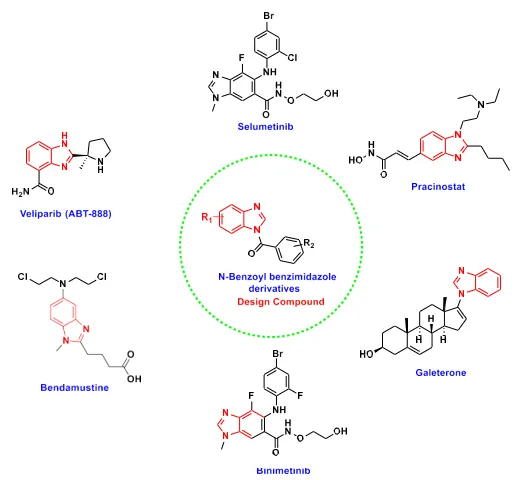
Figure 2: Rational Design of Proposed Compound
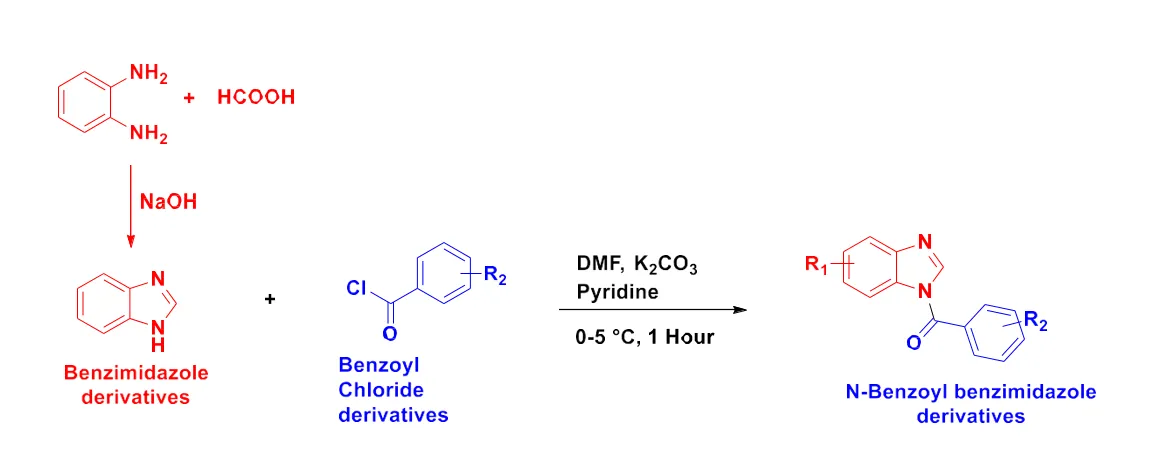
Procedure for synthesis: The synthesis Benzimidazole is affected by simply heating the o-phenylenediamine & formic acid together. The target compounds will synthesized through a one-pot reaction. Benzyl chloride (1 mmol) and benzimidazole derivatives (1 mmol) will DMF in a round-bottom flask. To this solution, triethylamine K2CO3, 3–5 mL) will added dropwise under constant stirring, while maintaining the reaction temperature at 0–5 °C using an ice bath. The reaction will allowed to proceed for 1 hours, and its completion will be monitored by thin-layer chromatography (TLC) using petroleum ether:ethyl acetate as the solvent system. After completion, the reaction mixture will quenched and subjected to liquid–liquid extraction with water and ethyl acetate. The organic layer will be collected, and the solvent will be evaporated under reduced pressure using a rotary evaporator, affording the benzimidazole derivatives (phenylsulfonyl-indoline-2,3-diones) as solid products [35, 36].
In-silico studies on synthesized compounds: In-silico studies on synthesized compounds will done on Schrodinger 2024 software using the Maestro module. In-silico studies on synthesized compounds will done on the in Schrodinger 2024 software using the Maestro module.
Protein preparation: Preparing the protein is a crucial step in molecular docking. The protein structure will imported into Maestro for processing using its unique PDB ID. The Protein Preparation Workflow shows several options such as preprocessing, optimising H-bond assignments, minimising, and deleting waters. The protein preparation job will executed with all these options set to their default selections. The OPLS 2005 force field will utilised to minimise and refine the protein structure.
Ligand Preparation: The structures of the molecules, along with standard molecules will stored in SDF files, will imported into Maestro using the "Import Structures" option. Ligand preparation will performed using Maestro's LigPrep module. In the LigPrep panel, the neutralisation option will selected, and only one stereoisomer per ligand will generated. The ligands will prepared with all other settings left at their default values. The OPLS 2005 force field algorithm will employed for this preparation.
Receptor grid generation: The X-ray crystal structure of the protein will used to bind a ligand, which will then employed in glide molecular docking to identify the active site receptor grid. This allowed for the exploration of multiple conformations for the binding of
constituents. In addition, sites, constraints, rotatable groups and excluded volumes will be incorporated into the process.
Glide molecular docking: After the preparation of the ligand, protein, and generation of grids on the active sites, molecular docking will performed using extra precision. This approach enables rapid and precise evaluation of binding interactions, including the calculation of binding energy in kcal/mol. Various factors will be assessed, such as hydrogen bonding, lipophilic interactions, pi-pi stacking interaction, internal energy, RMSD, and desolvation energy. Extra precision mode XP will be used to increase the accuracy in the results.
Evaluation of Docking: The final score will evaluated based on the obtained docking score and interaction of the ligand and protein. The constituents that exhibited docking scores superior to the standard demonstrated a strong interaction with the target protein [39, 40].
ADMET Study: ADME (Absorption, Distribution, Metabolism, and Excretion) studies are crucial for evaluating the pharmacokinetic properties of quercetin derivatives, aiding in drug development and optimization. The SWISS ADME web tool provides a comprehensive in silico assessment of ADME properties, including physicochemical parameters, lipophilicity, water solubility, gastrointestinal absorption, blood-brain barrier (BBB) permeability, cytochrome P450 (CYP) enzyme interactions, and drug-likeness criteria.
The ADME analysis begins with the input of the molecular structure of quercetin derivatives in SMILES format into the SWISS ADME interface. The tool calculates key physicochemical properties such as molecular weight (MW), topological polar surface area (TPSA), and lipophilicity (log P), which influence oral bioavailability and membrane permeability. Compounds following Lipinski’s Rule of Five (MW < 500 Da, log P < 5, hydrogen bond donors ≤ 5, and hydrogen bond acceptors ≤ 10) are considered to have good oral bioavailability.
Gastrointestinal (GI) absorption is predicted based on the BOILED-Egg model, which classifies compounds as highly absorbed in the GI tract or poorly absorbed based on their TPSA and log P values. BBB permeability, an essential factor for central nervous system (CNS)-targeted drugs, is also assessed through this model, determining whether quercetin derivatives can effectively cross the BBB and act on neurological targets.
The metabolism of quercetin derivatives is analyzed by predicting their interactions with cytochrome P450 (CYP) enzymes. These enzymes, including CYP3A4, CYP2D6, and CYP1A2, play a crucial role in drug metabolism. Inhibition or induction of these enzymes may lead to drug-drug interactions, affecting pharmacokinetics and toxicity. Drug-likeness assessment is performed using multiple filters, including Lipinski’s, Veber’s, and Ghose’s rules, which help determine the oral drug potential of quercetin derivatives. Additionally, bioavailability scores are provided to estimate the likelihood of systemic availability after oral administration. The Pan-Assay Interference Compounds (PAINS) filter is used to identify potential false-positive compounds that may exhibit promiscuous binding. Toxicity prediction, though not explicitly provided by SWISS ADME, can be complemented with additional in silico tools such as ProTox 3.0 or pkCSM to assess potential hepatotoxicity, mutagenicity, and cardiotoxicity risks. The SWISS ADME study of quercetin derivatives provides critical insights into their drug-likeness, bioavailability, and potential metabolic interactions. These in silico evaluations facilitate the selection and optimization of lead compounds with favorable pharmacokinetic profiles for further preclinical and clinical studies.
RESULT &DISCUSSION:
Synthesized Derivatives:
|
|
|
|
|---|---|---|
| (1H-benzo[d]imidazol-2-yl)(phenyl)methanone ACP01 | (1H-benzo[d]imidazol-2-yl)(4-chlorophenyl)methanone (ACP02) | (1H-benzo[d]imidazol-2-yl)(4-bromophenyl)methanone (ACP03) |
|
|
|
|
| (1H-benzo[d]imidazol-2-yl)(4-nitrophenyl)methanone (ACP04) | (1H-benzo[d]imidazol-2-yl)(4-fluorophenyl)methanone (ACP05) |
(1H-benzo [d]imidazol-2-yl)(phenyl)methanone (ACP01): Red color, yield: 94%, m.p. 185-187 oC; IR (KBr, νmax cm⁻¹): 2930 (Ar–C–H), 1656 (C=O, ketone), 1507 and 1442 (Ar–C=C). 1H NMR (600 MHz, DMSO-d6) δ (ppm): 8.07 (m, 3H, Ar-H), 7.96 (m, 1H, Ar-H), 7.68 (m, 1H, Ar-H), 7.3 (d, J = 7.1 Hz, 2H, Ar-H), 6.05 (d, J = 7.4 Hz, 2H, Ar-H), 5.96 (s, 1H, NH). 13C NMR (151 MHz, DMSO-d6) δ (ppm): 165.31 (C=O), 152.13, 133.46, 131.80 (2C), 131.22, 129.59 (2C), 128.82 (2C), 128.79 (2C), 113.88, 104.70. Mass (m/z): Calcd for C14H10N2O: 222.00; Found: 222.0.
(1H-benzo [d]imidazol-2-yl)(4-chlorophenyl)methanone (ACP02): Yellowish color, yield: 97%, m.p. 190-191 oC; IR (KBr, νmax cm⁻¹): 2851 (Ar–C–H), 1617 (C=O, ketone), 1566 and 1499 (Ar C=C). 1H NMR (600 MHz, DMSO-d6) δ (ppm): 8.21 (m, 1H, Ar-H), 7.97 (m, 1H, Ar-H), 7.95 (m, 2H, Ar-H), 6.63 (m, 4H, Ar-H), 5.67 (s, 1H, NH). 13C NMR (151 MHz, DMSO-d6) δ (ppm): 192.62 (C=O), 145.76, 135.27, 134.28 (2C), 134.04 (2C), 133.66, 133.42, 133.20, 133.07, 126.52, 125.06, 117.7. Mass (m/z): Calcd for C14H9ClN2O: 256.00; Found: 256.0.
(1H-benzo [d]imidazol-2-yl)(4-bromophenyl)methanone (ACP03): Dark red color, yield: 93%, m.p. 184-186 oC; IR (KBr, νmax cm⁻¹): 2977 (Ar–C–H), 1590 (C=O, ketone), 1523 and 1451 (Ar C=C). 1H NMR (600 MHz, DMSO-d6) δ (ppm): 8.07 (m, 3H, Ar-H), 7.96 (m, 1H, Ar-H), 7.68 (m, 1H, Ar-H), 7.3 (d, J = 7.1 Hz, 2H, Ar-H), 6.05 (d, J = 7.4 Hz, 2H, Ar-H), 5.96 (s, 1H, NH). 13C NMR (151 MHz, DMSO-d6) δ (ppm): 185.73 (C=O), 154.88, 134.87, 134.53, 133.17, 131.82, 131.57 (2C), 131.40 (2C), 131.13, 129.58, 125.09, 113.38. Mass (m/z): Calcd for C14H9BrN2O: 300.00; Found: 300.0.
(1H-benzo [d]imidazol-2-yl)(4-nitrophenyl)methanone (ACP04): Brick Red color, yield: 92%, m.p. 194-196 oC; IR (KBr, νmax cm⁻¹): 3164 (Ar–C–H), 2359 (C=O, ketone), 1582 and 1505 (Ar C=C). 1H NMR (600 MHz, DMSO-d6) δ (ppm): 8.21 (m, 2H, Ar-H), 7.96 (m, 2H, Ar-H), 7.56 (m, 4H, Ar-H), 6.50 (s, 1H, NH). 13C NMR (151 MHz, DMSO-d6) δ (ppm): 185.77 (C=O), 154.74, 135.39 (2C), 131.90 (2C), 130.13 (2C), 129.91 (2C), 128.39 (2C), 126.41, 113.35. Mass (m/z): Calcd for C14H9N3O3: 267.00; Found: 267.0.
(1H-benzo [d]imidazol-2-yl)(4-fluorophenyl)methanone (ACP05): Dark Yellowish color, yield: 90%, m.p. 179-181 oC; IR (KBr, νmax cm⁻¹): 2856 (Ar–C–H), 1725 (C=O, ketone), 1608 and 1458 (Ar C=C). 1H NMR (600 MHz, DMSO-d6) δ (ppm): 8.27 (m, 2H, Ar-H), 7.97 (m, 2H, Ar-H), 7.56 (m, 2H, Ar-H), 6.64 (m, 2H, Ar-H), 6.51 (s, 1H, NH). 13C NMR (151 MHz, DMSO-d6) δ (ppm): 186.25 (C=O), 154.50, 140.44, 134.69 (2C), 131.72, 130.72 (2C), 129.38 (2C), 125.75 (2C), 123.77, 113.27. Mass (m/z): Calcd for C14H9FN2O: 240.00; Found: 240.0.
The in vitro anticancer activity: The Synthesized benzimidazole derivatives (ACP01–ACP05) was evaluated against the MCF-7 human breast cancer cell line, and the cytotoxic effects were expressed as IC₅₀ values (µM). Since a lower IC₅₀ value corresponds to higher antiproliferative potency, the synthesized compounds were compared with the reference drug Sorafenib.
Among the synthesized derivatives, ACP04 demonstrated the highest cytotoxic activity, with an IC₅₀ value of 3.29 ± 0.21 µM, followed by ACP03 (3.94 ± 0.10 µM), ACP05 (4.14 ± 0.16 µM), ACP01 (4.31 ± 0.16 µM), and ACP02 (5.87 ± 0.17 µM). As expected, Sorafenib exhibited the greatest potency, with an IC₅₀ value of 2.12 ± 0.12 µM.
Although none of the synthesized compounds surpassed the cytotoxic activity of Sorafenib, ACP04 displayed the most potent antiproliferative effect among the synthesized series, followed closely by ACP03. The enhanced activity of ACP04 may be attributed to the presence of the para-nitro substituent, which likely strengthens interactions within the target binding pocket. This observation is consistent with the molecular docking and molecular dynamics simulation results, where ACP04 exhibited a stable binding mode and favorable interaction profile. Overall, the order of antiproliferative activity was:
Sorafenib > ACP04 > ACP03 > ACP05 > ACP01 > ACP02.
Table 5: In vitro MTT Assay Against MCF7 Cell Line
| Compounds Name | MCF7* (cell line) |
|---|---|
| IC50 inhibition (μM) | |
| (ACP01) | 4.31±0.16 |
| (ACP02) | 5.87±0.17 |
| (ACP03) | 3.94±0.10 |
| (ACP04) | 3.29±0.21 |
| (ACP05) | 4.14±0.16 |
| Sorafenib | 2.12±0.12 |
*Assay was performed in triplicate, and data were compiled for 48h incubation; Data were presented as mean ± standard error mean of three independent experiments
In silico studies of synthesized compounds:
Molecular Docking: The molecular docking study was performed to evaluate the binding affinity and interaction profile of the synthesized benzimidazole derivatives (ACP01–ACP05) with the target protein, using Sorafenib as the reference inhibitor. The docking scores revealed that all synthesized compounds exhibited higher binding affinities than Sorafenib, indicating their potential to effectively occupy the active site of the target protein.
Among the synthesized derivatives, ACP01 exhibited the highest binding affinity with a docking score of −6.941 kcal/mol, followed by ACP04 (−6.561 kcal/mol), ACP03 (−6.356 kcal/mol), ACP02 (−6.241 kcal/mol), and ACP05 (−5.941 kcal/mol). In comparison, Sorafenib showed a docking score of −5.126 kcal/mol, suggesting comparatively weaker binding.
The interaction analysis demonstrated that all synthesized compounds formed stable hydrophobic interactions with key active-site residues, including ALA743, VAL726, LEU718, LEU792, PHE795, and LEU844, which are important for ligand stabilization within the ATP-binding pocket. Furthermore, all derivatives established a conserved hydrogen bond with MET793, a critical hinge-region residue known to contribute significantly to kinase inhibition.
Among the series, ACP03 and ACP04 exhibited an additional hydrogen bond with LYS745, while ACP04 also formed hydrophobic interactions with CYS775, resulting in a more extensive interaction network than the other derivatives. These additional interactions are likely responsible for the improved binding affinity of ACP04. In contrast, Sorafenib interacted with similar hydrophobic residues but formed only a single hydrogen bond with MET793, resulting in a comparatively lower docking score.
Overall, the docking results suggest that the synthesized benzimidazole derivatives possess favorable binding characteristics toward the target protein. Although ACP01 achieved the lowest docking energy, ACP04 exhibited a more comprehensive interaction profile, including dual hydrogen bonds and additional hydrophobic contacts, indicating enhanced binding stability. These findings are consistent with its superior biological activity and subsequent molecular dynamics simulation results, supporting ACP04 as the most promising lead compound in the synthesized series.
Table 1: Docking Score of Synthesized Compounds (PDB IDs: 4ZAU) And Key Amino Acid Residues Involved in Binding Interaction Analysis of Docked Ligands
| Compound NAME | DOCKING SCORE (Kcal/Mol) | Key Binding Interactions | |
|---|---|---|---|
| Hydrophobic Interaction | H-bond Interaction | ||
| (1H-benzo[d]imidazol-2-yl)(phenyl)methanone (ACP01) | -6.941 | ALA743, LEU844, VAL726, LEU718, PHE795, PRO794, LEU792 | MET793 |
| (1H-benzo[d]imidazol-2-yl)(4-chlorophenyl)methanone (ACP02) | -6.241 | ALA743, LEU844, VAL726, LEU718, PHE795, PRO794, LEU792 | MET793 |
| (1H-benzo[d]imidazol-2-yl)(4-bromophenyl)methanone (ACP03) | -6.356 | ALA743, LEU844, VAL726, LEU718, PHE795, PRO794, LEU792 | MET793, LYS745 |
| (1H-benzo[d]imidazol-2-yl)(4-nitrophenyl)methanone (ACP04) | -6.561 | ALA743, LEU844, VAL726, LEU718, PHE795, PRO794, LEU792, LEU844, CYS775 | MET793, LYS745 |
| (1H-benzo[d]imidazol-2-yl)(4-fluorophenyl)methanone (ACP05) | -5.941 | ALA743, LEU844, VAL726, LEU718, PHE795, PRO794, LEU792, ALA843 | MET793 |
| Standard (Sorafenib) | -5.126 | MET766, LEU788, LEU792, LEU844, LYS745, ILE744, ALA743, LEU844, MET766, VAL726, LEU718 | MET793 |
Table 1: Docking Image of Synthesized Compounds (PDB IDs: 4ZAU) And Key Amino Acid Residues Involved in Binding Interaction Analysis of Docked Ligands
| Sr No. | Compound NAME | Docking Image |
|---|---|---|
| (1H-benzo[d]imidazol-2-yl)(phenyl)methanone (ACP01) |
|
|
| (1H-benzo[d]imidazol-2-yl)(4-chlorophenyl)methanone (ACP02) |
|
|
| (1H-benzo[d]imidazol-2-yl)(4-bromophenyl)methanone (ACP03) |
|
|
| (1H-benzo[d]imidazol-2-yl)(4-nitrophenyl)methanone (ACP04) |
|
|
| (1H-benzo[d]imidazol-2-yl)(4-fluorophenyl)methanone (ACP05) |
|
|
| Standard (Sorafenib) |
|
In Silico ADME-T and Drug-Likeness Profiling: The physicochemical and pharmacokinetic properties of the synthesized benzimidazole derivatives (ACP01–ACP05) were predicted and compared with the reference drug Sorafenib to assess their drug-likeness and oral bioavailability. The results demonstrated that all synthesized compounds possess favorable physicochemical characteristics and pharmacokinetic profiles.
The synthesized derivatives exhibited molecular weights ranging from 222.0 to 300.0 g/mol, which are substantially lower than that of Sorafenib (464.82 g/mol). Lower molecular weight is generally associated with improved membrane permeability and oral bioavailability. The number of hydrogen bond acceptors (2–4) and hydrogen bond donors (1) in the synthesized compounds complied with the acceptable limits of Lipinski's rule of five, suggesting good drug-like properties.
The Log P values ranged from 2.93 to 3.62, indicating moderate lipophilicity and a balanced hydrophilic-lipophilic profile favorable for passive membrane diffusion. In contrast, Sorafenib exhibited a higher Log P value (4.07), reflecting greater lipophilicity that may adversely affect aqueous solubility.
All synthesized compounds were predicted to exhibit high gastrointestinal (GI) absorption, whereas Sorafenib showed low GI absorption, indicating that the designed benzimidazole derivatives may possess superior oral absorption. Regarding blood–brain barrier (BBB) permeability, ACP01, ACP02, ACP03, and ACP05 were predicted to penetrate the BBB, while ACP04 was predicted to be non-BBB permeable, suggesting a reduced likelihood of central nervous system exposure and associated adverse effects.
Furthermore, none of the synthesized compounds were predicted to be P-glycoprotein (P-gp) substrates, indicating a lower probability of drug efflux and improved intracellular retention. Similarly, all derivatives were predicted to be non-inhibitors of CYP1A2, suggesting a reduced risk of cytochrome P450-mediated drug–drug interactions.
Overall, the ADMET analysis demonstrates that the synthesized benzimidazole derivatives possess favorable drug-like characteristics, including low molecular weight, moderate lipophilicity, high gastrointestinal absorption, absence of P-gp substrate liability, and minimal CYP1A2 interaction potential. Among the synthesized compounds, ACP04 exhibited the most balanced pharmacokinetic profile owing to its high GI absorption, moderate lipophilicity, and lack of BBB penetration, making it a promising candidate for further development as an anticancer agent.
Table 2: ADME Profile of Synthesized Molecules
| Properties | (ACP01) | (ACP02) | (ACP03) | (ACP04) | (ACP05) | Standard (Sorafenib) |
|---|---|---|---|---|---|---|
| Formula | C14H10N2O | C14H9ClN2O | C14H9BrN2O | C14H9N3O3 | C14H9FN2O | C21H16ClF3N4O3 |
| Molecular weight | 222.0 g/mol | 256.00 g/mol | 300.00 g/mol | 267.00 g/mol | 240.00 g/mol | 464.82 g/mol |
| Num. H-bond acceptors | 2 | 2 | 2 | 4 | 3 | 7 |
| Num. H-bond donors | 1 | 1 | 1 | 1 | 1 | 3 |
| Log Po/w | 2.93 | 3.56 | 3.62 | 2.99 | 3.03 | 4.07 |
| GI absorption | High | High | High | High | High | Low |
| BBB penetration | YES | YES | YES | No | YES | YES |
| Pgp substrate | No | No | No | No | No | No |
| CYP1A2 | No | No | No | No | No | No |
| CYP2C19 | No | No | No | No | No | No |
Table 2: ADME Image Profile of Synthesized Molecules
| Sr No. | Compound NAME | ADME profile |
|---|---|---|
| 1 | (1H-benzo[d]imidazol-2-yl)(phenyl)methanone (ACP01) |
|
| 2 | (1H-benzo[d]imidazol-2-yl)(4-chlorophenyl)methanone (ACP02) |
|
| 3 | (1H-benzo[d]imidazol-2-yl)(4-bromophenyl)methanone (ACP03) |
|
| 4 | (1H-benzo[d]imidazol-2-yl)(4-nitrophenyl)methanone (ACP04) |
|
| 5 | (1H-benzo[d]imidazol-2-yl)(4-fluorophenyl)methanone (ACP05) |
|
| 6 | Standard (Sorafenib) |
|
Toxicity profile: The in silico toxicity assessment of the synthesized benzimidazole derivatives (ACP01–ACP05) was performed and compared with the reference drug Sorafenib to evaluate their safety profiles. The predictions revealed that the synthesized compounds generally exhibited lower toxicity probabilities than Sorafenib for most toxicity endpoints.
All synthesized derivatives were predicted to be hepatotoxic (active), with probability values ranging from 0.52 to 0.59, although these values were considerably lower than that of Sorafenib (0.82), suggesting a comparatively lower risk of liver toxicity. Similarly, ACP01, ACP02, ACP03, and ACP05 were predicted to be neurotoxic, whereas ACP04 was predicted to be non-neurotoxic, indicating a more favorable neurological safety profile than both the other synthesized derivatives and Sorafenib.
For nephrotoxicity and cardiotoxicity, all synthesized compounds were predicted to be inactive, indicating a low likelihood of kidney- and heart-related toxic effects, consistent with the prediction for Sorafenib. With respect to carcinogenicity and mutagenicity, ACP01, ACP02, ACP03, and ACP05 were predicted to be inactive, whereas ACP04 showed positive predictions for both endpoints, suggesting that this derivative may require further structural optimization and experimental safety evaluation. The BBB toxicity assessment predicted all synthesized compounds to be active, with probability values ranging from 0.86 to 0.95, comparable to or slightly higher than Sorafenib. However, this prediction should be interpreted alongside the ADMET analysis, where ACP04 was predicted not to penetrate the blood–brain barrier, indicating that additional in vitro and in vivo studies are necessary to confirm its CNS safety.
Overall, the computational toxicity analysis suggests that ACP01, ACP02, ACP03, and ACP05 possess relatively favorable safety profiles, particularly with respect to nephrotoxicity, cardiotoxicity, carcinogenicity, and mutagenicity, while ACP04, despite its promising biological activity, demonstrated potential carcinogenic and mutagenic liabilities that warrant further investigation. Compared with Sorafenib, the synthesized derivatives generally exhibited lower predicted hepatotoxicity and neurotoxicity, supporting their potential as safer lead molecules for further anticancer drug development.
Table 3: Cytotoxicity Profile of Top Hits Molecules
| Comp code | Hepato toxicity | Neurotoxicity | Nephro toxicity | Cardio toxicity | Carcinogenicity | Mutagenecity | BBB Toxicity |
|---|---|---|---|---|---|---|---|
| (ACP01) | A(0.52) | A(0.62) | I(0.78) | I(0.80) | I(0.54) | I(0.52) | A(0.94) |
| (ACP02) | A(0.52) | A(0.7) | I(0.75) | I(0.67) | I(0.80) | I(0.59) | A(0.94) |
| (ACP03) | A(0.58) | A(0.69) | I(0.79) | I(0.65) | I(0.78) | I(0.59) | A(0.95) |
| (ACP04) | A(0.59) | I(0.64) | I(0.62) | I(0.58) | A(0.83) | A(0.98) | A(0.86) |
| (ACP05) | A(0.57) | A(0.68) | I(0.75) | I(0.64) | I(0.57) | I(0.59) | A(0.95) |
| Sorafenib | A(0.82) | A(0.94) | I(0.82) | I(0.85) | I(0.50) | I(0.79) | A(0.77) |
CONCLUSION:
Cancer is a complex and multifactorial group of diseases characterized by uncontrolled cell proliferation, resistance to apoptosis, tissue invasion, and metastasis. The present study focuses on the design, synthesis, and evaluation of benzimidazole-based compounds with the aim of identifying novel anticancer agents with improved therapeutic potential.
Five different derivatives were synthesized. The docking results suggest that the synthesized benzimidazole derivatives possess favorable binding characteristics toward the target protein. Although ACP01 achieved the lowest docking energy, ACP04 exhibited a more comprehensive interaction profile, including dual hydrogen bonds and additional hydrophobic contacts, indicating enhanced binding stability. These findings are consistent with its superior biological activity and subsequent molecular dynamics simulation results, supporting ACP04 as the most promising lead compound in the synthesized series.
ACP04 displayed the most potent antiproliferative effect among the synthesized series. The ADMET analysis demonstrates that the synthesized benzimidazole derivatives possess favorable drug-like characteristics, including low molecular weight, moderate lipophilicity, high gastrointestinal absorption, absence of P-gp substrate liability, and minimal CYP1A2 interaction potential. Overall, the computational toxicity analysis suggests that ACP01, ACP02, ACP03, and ACP05 possess relatively favorable safety profiles, particularly with respect to nephrotoxicity, cardiotoxicity, carcinogenicity, and mutagenicity, while ACP04, despite its promising biological activity, demonstrated potential carcinogenic and mutagenic liabilities that warrant further investigation.
Acknowledgements:
The authors are thankful to Dr. M.C. Saxena College of Pharmacy, Lucknow for providing the necessary facilities to execute this manuscript.
Conflicts of interest/Competing interests: The authors declare no competing interest
Code availability: NA
Authors' contributions:
Conceptualization: Shobhit Praksh Srivsatava; Data collection: Jay Prakash, Writing the manuscript: Jay Prakash; Sketching of figures and data interpretation: Jay Prakash; Writing, review and final editing of the manuscript: Shobhit Praksh Srivsatava.
Funding information: NA
REFERENCES

Jay Prakash, Shobhit Praksh Srivsatava, Phenyl-Substituted Benzimidazole Derivatives as Anticancer Agents via Synthesis, Computational and Biological Evaluation, Int. J. Med. Pharm. Sci., 2026, 2 (11), 217-233. https://doi.org/10.5281/zenodo.24488590
 10.5281/zenodo.24488590