
View Article

  • Smart Nanocarrier Integrated Stimuli Responsive Microneedle Systems for Precision Osteoporosis Therapy

  • 1Awasthi Institute of Pharmacy, Nalagarh, District-Solan, Himachal Pradesh, 174101
    2School of Pharmacy, Desh Bhagat University, Mandi Gobindgarh, Punjab 147301
    3Rayat Bahra Institute of Pharmacy, Hoshiarpur, Punjab 146001
     

Abstract

Osteoporosis is a degenerative skeletal disorder marked by a decline in bone mineral density (BMD) and microarchitectural degradation of the bone, both of which are linked to an increased risk of fracture and is a highly prevalent condition in the world, mainly in postmenopausal women and elderly people. Although there are effective drugs available to treat osteoporosis, including teriparatide, abaloparatide and bisphosphonates, these conventional injectable treatments have some drawbacks, including limited patient adherence, discomfort at the injection site, the requirement for a trained professional to administer the treatment and the risk of systemic side effects. These challenges highlight the need for more patient-friendly and efficient drug delivery approaches. The use of a transdermal system that delivers anti-osteoporotic agents has been proposed as an alternative approach, which results in minimally invasive or non-invasive, non-painful and self-administered delivery. Transient microchannels have been shown to be achievable in the skin with various microneedle platforms, such as dissolving, coated and hydrogel-forming systems, allowing effective transport of drugs with improved pharmacokinetic profiles. Preliminary and early clinical trials have yielded promising results, such as increased BMD and bone turnover markers and better patient adherence than with conventional injections. Microneedle systems, from a translational perspective, have tremendous promise in delivering efficacy and patient acceptance. A formulation design continues to improve, large scale manufacturing and regulatory standardization are likely to promote the broader clinical adoption of microneedle-based systems as a promising advancement in Osteoporosis therapy.

Keywords

Osteoporosis, Microneedles, Transdermal drug delivery, Nanocarriers, Stimuli responsive, Bone Mineral Density.

Introduction

× Popup Image

Bone is a biological substance that degrades and regenerates continuously. Over 200 million people worldwide suffer from osteoporosis (OP), one of the most common but underappreciated chronic illnesses that has gained attention recently. According to the International OP Foundation, one in five men and one in three women over 50 will suffer an osteoporotic fracture at some point in their lives. It is a crippling bone condition that makes bones so brittle that even the smallest stress can result in serious fractures. [1,2]
Although there are advances in identifying and treating OP such as dual-energy X-ray absorptiometry (DEXA) and fracture risk assessment models, the diagnosis and treatment of OP remains underdiagnosed and undertreated [3]. Various tablets and injections are currently being used, with the routes of administration being the most common promoting bone formation or inhibiting bone resorption [4]. Older people are at a high risk of developing OP and the incidence of OP is increasing in this group. These agents are therapeutically beneficial but oral agents lack GI absorption, have strict dose requirements and have substantial GI side effects that may make them difficult to adhere to over time. The disadvantages of injectable formulation are that it is inconvenient and burdensome for elderly patients due to frequent dosing, trained healthcare professionals and cold storage requirements which is also not pharmacokinetically favourable [5]. The limitations demonstrate a considerable translation between pharmacological activity and therapeutic efficacy in the real world and the need for alternative drug more effective delivery systems in reaching the patient and delivering the drug to help achieve therapeutic objectives without the disadvantages associated with oral administration. [6]

Current therapies limitations

The current therapies have a number of limitations. Existing drugs for Osteoporosis are small-molecule inhibitors and biologics, which largely target the systemic approach. They spread throughout the system and very little of them goes into the dense bone matrix to the areas of active bone formation, such as bone-forming surfaces or bone resorption lacunae. This renders it very inefficient and in consequence causes a lot of non-target effects in non-skeletal tissues, thus increasing the likelihood of toxicity in the system. Oral bioavailability for peptides, particularly for active vitamin D metabolites is followed by rapid degradation and metabolism in the GI tract and liver. This leads to reduced systemic exposure from the drug compared to therapeutic, thereby reducing bioavailability [7,8]. Bisphosphonates, for example, are not completely absorbed and may irritate the GI tract, leading to esophagitis, gastric ulcers and other adverse effects that reduce patient comfort and long-term compliance 8. Last but not least, is compliance. MBDs are chronic diseases that will require lifelong treatment; however, high frequent dosing (e.g., daily or weekly doses either oral and injectable) can lead to decreased compliance and less effective fracture risk reduction. An urgent need is to develop new responsive drug delivery systems that can overcome biological barriers or enable targeted drug retention within the bone microenvironment. [9]

Need for minimally invasive delivery

Most pharmaceuticals are administered either by subcutaneous injection or orally. Transdermal drug delivery can reduce the fear of needles and pain associated with injections, therefore improving patient compliance [10]. Microneedle-based minimally invasive transdermal medication delivery systems have received a lot of interest in recent years. In essence, microneedles are a patch of many micrometre-length needles that are longer than the stratum corneum of the skin. After being implanted into the skin, microneedles can readily pass through the stratum corneum, allowing medications to be delivered directly to the dermis and epidermis before being absorbed into the bloodstream via lymphatic and microvascular arteries [11,12]

Emergence of smart microneedle systems

Only in accordance with preset design guidelines can conventional soluble microneedles transport medications directly into the skin, which may not satisfy complex physiological needs. Therefore, the development of smart microneedles with environmental responsiveness requires the use of non-soluble microneedle substrates. [13] Due to growing research interest and technical developments in stimuli-responsive materials, smart microneedle systems have quickly become a sophisticated drug delivery platform in recent years. Drug distribution has employed responsive tactics in recent years. Drug-carrying smart response materials that respond to changes in physiological stimuli (pH, temperature, enzymes, different biomolecules, etc.) or external stimuli (electric field, current, magnetic field, light, mechanical external forces, etc.) are referred to as intelligent drug delivery.[14,15] Because they may release their loaded drugs in controlled release patterns in response to specific stimuli, environmentally responsive microneedles are safer and more effective than traditional microneedles.[16] Smart microneedles are thought to play an essential role in a variety of biological disciplines and have the potential to overcome bottlenecks of ineffective delivery, inevitable medication waste, and basic delivery mechanisms. [17] To accomplish glycemic control, Gu and colleagues designed a transdermal polymeric microneedle patch for insulin administration. Glucose response-based drug delivery strategies have attracted a lot of interest. Intelligent responsive microneedles have been investigated for applications in wound healing and cancer treatment in addition to blood glucose regulation. [18,19] Microneedles for transdermal drug delivery are illustrated in Fig. 1
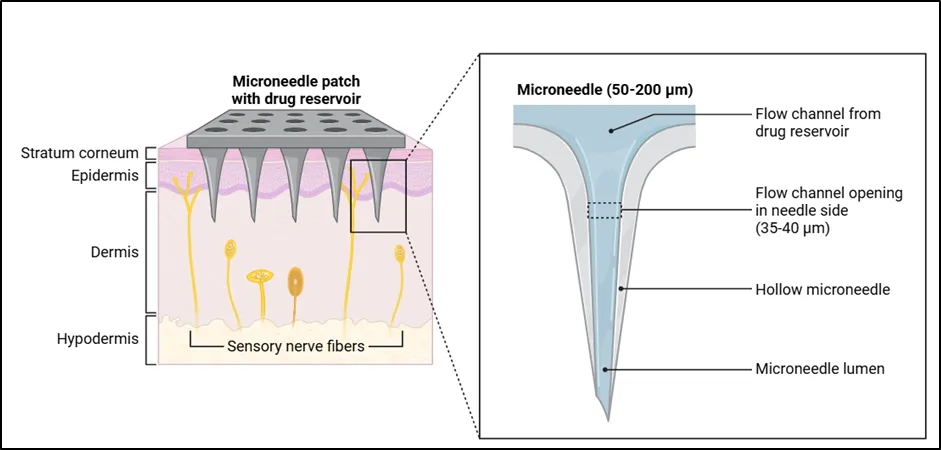
Fig 1: Diagram of microneedles for transdermal drug delivery.

Current Therapies and Limitations

Anabolic Agents: Parathyroid hormone (PTH) analogues, including Teriparatide and Abaloparatide are key anabolic therapies used in osteoporosis management. These agent act via the PTH1 receptor (PTHR1), stimulating osteoblast activity and promoting bone formation. These treatments have particular effectiveness in enhancing bone mineral density and reducing fracture risk in high risk patients. [20] Teriparatide stimulates the proliferation and differentiation of osteoprogenitors leading to increased bone formation and fracture healing. Likewise, abaloparatide is a selective activator of PTHR1 and shown to have similar or better efficacy in increasing bone mass and strength. Their use is restricted though, due to the requirement for parenteral administration and adherence issues. [21]

Antiresorptive Agents: Among antiresorptive drugs, bisphosphonates and Denosumab are widely used.  Biphosphonates act on hydroxyapatite in the bone and prevent bone resorption through osteoclast activity, thus slowing the rate of bone turnover. But they are “bone-friendly” and may hinder bone healing. [22] Denosumab inhibits the formation and activity of osteoclasts by blocking the RANKL, leading to decrease bone resorption and increase bone formation density. These are clinically effective treatments, but can have long term safety issues and must be taken on a regular basis. [23]

Microneedle System Design and Function

The microneedles are categorized into five types according to the mode of transdermal delivery: Solid, Coated, Hollow, Hydrogel forming or dissolving microneedles. These different categorizations have been used in a variety of research fields including drug delivery and diagnostics in disease. [24] The flexibility of MNs is further illustrated by the ability of MNs to be compatible with different type of materials, allowing them to be linked to the whole range of scientific fields and techniques. For instance, metal microneedles can be skilfully integrated with electronic parts for improved detection of biomarkers. On the other hand, hydrogel microneedles exhibit a synergistic effect with the chemical processes, which allows the creation of a mechanism for controlled drug release. [25,26]

Solid microneedles

Solid microneedles are specially designed using high precision techniques like laser cutting or etching from materials including polymers, metal and silicon and are becoming recognized as powerful vehicles for targeted delivery of therapeutic agents. [27,28] This technique of delivery has a number of advantages, among them the potential to isolate specific areas of the body and minimise undesirable effects characteristic of systemic medicines. However, the use of solid microneedles in clinical use is not free of its problems. [29,30] One of the main concerns is the infection risk; solid microneedles are generally not disposable, so stringent sterilisation protocols need to be followed after their use. This process can be complex and labour intensive and if not handled with care can increase the risk of contamination. Further, there is the possibility of inflammatory reactions too. [31] The needles may induce a microchannel that will lead to an immune response and may be uncomfortable and restrict the use of the solid microneedles as a method of administering medication. Thus, in some applications, like wrinkle treatments, dissolvable microneedles are preferred because they are disposable and less likely to cause erythema than solid microneedles. [32,33]

Coated microneedles

Coated microneedles have constituents similar to those used in solid microneedles. Microneedles that have been coated with a thin layer of therapeutic agent, which is applied to the outside of the microneedle by means of spray coating, dip coating and piezoelectric ink jet printing, etc. The coating method has several advantages over solid coatings. The main advantage of coated micro needles is, as mentioned, that it is a streamlined and efficient drug delivery system. Medication can be applied directly to the surface, which does not require long soaking times as with solid microneedles. [34] The speedy delivery can be especially beneficial in critical care situations where absorption is crucial. Moreover, coated microneedles do not require the use of extended drug formulations as do solid microneedles to maintain levels that are therapeutic over time. Rather, the coating method allows for more targeted delivery of drug, thereby minimizing the risk of side effects. Zosano Pharma Corp has created a microneedle array in which the zolmitriptan is coated that has achieved sustained pain relief for 2-48 h during clinical trials for the management of moderate to severe migraine [35,36] However, there are restrictions to the use of coated microneedles. Among the drawbacks is their restricted capacity of drug loading. The applied medication layer is very thin, limiting the amount of medication that can be delivered and creating challenges when high dosages are required. This need for further research highlights the importance of exploring other microneedle designs, such as dissolvable microneedles and hydrogel microneedles, that could increase drug loading capacity. [37,38]

Hollow microneedles

These are a major engineering feat and come in numerous materials such as polymers, metals and silicon. Unique characteristics of these microneedles are its hollow structure, which can be used as a channel to inject drugs, cells and other therapeutic biomolecules. The layout has gained interest from the community of medicine for its innovative and effective delivery of drugs and biomarker tracking system. [39,40] Hollow microneedles have been shown to be useful in clinical trials, especially for vaccines. Their hollow nature allows for the precise vaccination administration through the skin and circumvents the normal vaccine delivery method of injection. This method improves the effectiveness of vaccine delivery while also reducing injection-related discomfort [41,42] Hollow microneedles are an effective and stable way to retrieve interstitial fluid (ISF) for biomarker monitoring. The ISF is widely recognized as a vital useful information source for comprehending the body’s physiological condition or its extraction is crucial for the diagnosis and management of numerous illnesses. Hollow microneedles can be used to obtain ISF with minimal pain, infection risk and are the perfect tool to monitor biomarkers. [43] Moreover, hollow MNs have also been used in continuous glucose monitoring systems development. Many companies are implementing these types of systems where hollow microneedles are used to continuously monitor a patient's blood glucose levels if they have diabetes. [44,45]

Hydrogel microneedles

These are a ground-breaking healthcare technology, carefully designed from interconnected hydrogel systems such as PVA-dextran, hyaluronic acid methacrylate (HAMA), and gelatin methacrylate (GelMA). These materials are then processed into microneedles using precision manufacturing methods such as micromolding and 3D printing, which enable them to expand when place into the skin and release drugs to the target area [46,47]. Although the products based on hydrogel micro-needles have potential, their commercial availability is still limited, the major reason being crosslinkers' toxicity issues and poor mechanical strength of the hydrogel materials. [48,49] Furthermore, hydrogel microneedles have been used for the monitoring of biomarkers. They have a microchannel structure which enables them to absorb interstitial fluid (ISF) that contains biomarkers and provide information on the health of an individual. Using ISF analysis can help in the early detection of illness and in the formulation of more accurate strategies for treatment. [50,51]

Dissolvable microneedles

The dissolvable microneedles (MNs) represent a new paradigm in the field of drug delivery, as a safe, effective and patient-friendly substitute to traditional injection. They are able to dissolve inside the skin, so they do not cause pain when they are injected and allow the drug to be delivered to the correct location. Different methods are used to produce dissolvable MNs such as micromolding, drawing lithography or 3D printing. The material selection is crucial and must be biocompatible and biodegradable. [52,53] These are commonly used materials such as dextran, hyaluronic acid (HA), chondroitin sulphate, polyvinylpyrrolidone (PVP) and polyvinyl alcohol (PVA) [54]. Dissolvable MNs have branched out to transdermal cell delivery as well. The introduction of technologies like cryomicroneedles has enabled the delivery of cells via the skin, enabling novel possibilities for regenerative medicine or immunotherapy. [55]

Mechanism

The pharmacological mechanism of action of microneedle (MN) mediated transdermal delivery is a three-step process: penetration, microchannel formation and drug diffusion. With the application of microneedles, the stratum corneum (SC), the first barrier of the skin is pierced and direct paths are formed without damaging deeper nerves or blood vessels. This insertion creates temporary microchannels, which substantially increases the penetration of the skin, thus avoiding the lipid compactness of the outer layer. The microchannels allow delivery of drugs in the healthy epidermis and dermis, such as macromolecules and nanocarriers like liposomes, polymeric nanoparticles and nanogels. The drug then travels through interstitial fluid and can be taken up in the dermal capillaries for systemic absorption or remain in the local area for targeted therapy. This system allows for the regulated medication delivery with effective, less invasive and efficient administration, which has several advantages over the conventional method of injection administration, such as better patient compliance and better bioavailability. [56,57] The mechanism is illustrated in Fig. 2.
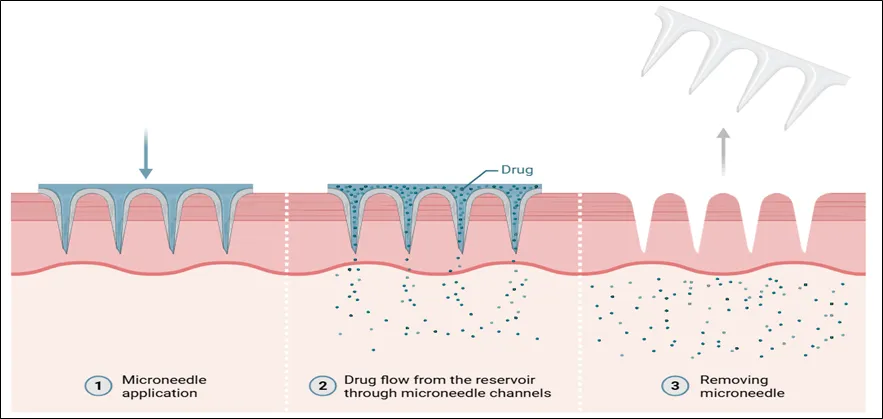
Fig 2: Mechanism of microneedle mediated Transdermal drug delivery

Advantages

Painless Administration and self-Administration

With minimal or no pain and no needle phobia, intradermal delivery using microneedle technology has a high patient compliance rate, even among those with different skin types. They can allow self-administration, diminishing reliance on health care providers and fostering long-term therapy, essential in osteoporosis management. [58] These benefits have been demonstrated in clinical studies, as microneedle patches have been shown to be highly acceptable to human subjects with just mild and transient erythema, and no serious adverse effects. [59]

Bioavailability and Pharmacokinetics

This is because microneedle-based systems bypass the breakdown in the gastrointestinal tract and the liver’s first pass metabolism. They are also capable of delivering controlled and sustained release, thus enhancing the Pharmacokinetic profiles. These properties are very useful in the treatment of osteoporosis where constant levels of the drug are required. The stability of the drug can be further improved and more controlled release and targeted delivery can be achieved by incorporating nanocarriers and stimuli-responsive systems. [60]

The safety and minimum invasiveness.

The Safety and limited invasiveness. As a result of being minimally invasive, microneedle systems offer a favourable safety profile and minimize the complications connected to injuries from needlesticks, infections and biomedical waste. [61]

LIMITATIONS

While their many benefits may be realized, microneedle systems have major constraints that limit their use in systemic diseases such as osteoporosis. [62]

Limited drug encapsulation capacity: In addition to this, the sample of the material is limited in its ability to hold the drugs. The capacity of loading drugs into microneedles is limited by the small size and small matrix volume and generally can only carry a small amount of drugs. This is a huge hurdle for therapies which need a higher systemic dosage (like some anti-osteoporotic drugs or so-called biologics). Thus, multiple dosing and/or combination therapy may be required. [63]

Mechanical Strength and insertion Efficiency: Mechanical Properties of the Ceramic Insertion Efficiency of the Ceramic Mechanical fragility may result in the failure to penetrate the skin with the microneedles (in the case of dissolving and hydrogel microneedles) or in deformation or breakage of the needles. The variability of skin properties also influences the efficiency of insertion and the dose consistency.

Design and Translational challenges: One big design challenge is to achieve a mechanical strength/drug loading balance which is both optimal and sufficient for the application. In this Section, the design and translation problems are discussed. Achieving higher drug loading may be compromised by maintaining structural integrity and enhancing mechanical strength can lead to a decline in drug release. Additionally, scaling up to a larger manufacturing size and achieving reproducibility and regulatory standardization remain challenges to clinical translation. [64]

Nanocarrier Integrated Microneedles: Nanocarrier integrated microneedle (MN) systems are representational advanced approach to enhance the transdermal drug delivery and incorporate the barrier breaking potential of microneedle with the functional benefits of nanocarriers. This hybrid is especially useful in systemic diseases, like osteoporosis, where sensitive and high molecular weight drugs need to be delivered efficiently. [65]

Table 1: Characteristics of Microneedle systems for osteoporosis

Microneedle type

Description

Formulation characteristics for osteoporosis

Solid microneedles

Employed to form microchannels in the skin before drug delivery

Fabricated from silicon/metals; requires secondary drug formulation; limited drug loading

Coated Microneedles

Drug coated onto needle surface for rapid release

Thin coating of bisphosphonates, peptides; uniform coating critical limited dose capacity

Dissolving Microneedles

Needle dissolve in skin releasing encapsulated drug

Made of biodegradable polymers (PVP, PVA); suitable for sustained delivery of osteoporosis drugs

Hollow Microneedles

Allow liquid drug infusion through needle lumen

Require pressure driven system; suitable for precise dosing of biologics like teriparatide

Hydrogel forming microneedles

Swelling polymers absorb interstitial fluid and release drug

Crosslinked polymers; prolonged and controlled drug release; good for long term therapy

Types of Nanocarriers Used In Microneedles

In MN integrated systems, among the different nanocarriers, liposomes and polymeric nanoparticles are the most studied. Liposomes are vesicles containing hydrophilic and lipophilic drugs, which are made of Phospholipids. The liposomes, when used as coating on the microneedles, are able to enhance the stability of the drug to be inserted and also enable localized and systemic delivery after insertion into the skin. The polymeric nanoparticles are generally made from biodegradable polymers like PLGA or chitosan and provide excellent structural integrity and controlled release of drugs. They can be integrated into a microneedle matrix for creating a prolonged drug delivery profile and improve the drug residence time in the dermal microenvironment. These systems are especially appropriate for long-term therapies like osteoporosis whose plasma drug level is vital. In this section, the functions of nanocarrier Integration are discussed.

Drug Protection

Nanocarrier are essential for preventing the deterioration of drugs during formulation, Storage and delivery. Peptides and proteins are extremely sensitive biomolecules that tend to break down due to environmental degradation and enzymatic activity, as is the case with teriparatide, which is used in osteoporosis therapy. Liposomes or polymeric nanoparticles protect drugs from the gastrointestinal environment and first-pass metabolism, increasing their therapeutic efficiency.

Enhanced Permeation

The permeation of drugs across deeper layers of the skin is further improved by nanocarriers, while microneedles form microchannels in the skin, thus penetrating the stratum corneum barrier. They are small enough to pass through the interstitial matrix of the dermis. Further, some nanocarriers like deformable liposomes can interact with lipids in the skin, thus enhancing the partitioning and transport of the drug. [66] In conclusion, the improvement of transdermal drug permeation with the use of microneedle-induced microchannels and nanocarrier-mediated diffusion is significantly higher than either individual method. [67]

Controlled and Sustained release

The release of a substance that happens gradually over time and cannot be halted. Among the most significant advantages of nanocarrier integrated MN system is their capacity to deliver continuous and regulated drug release. The release of the drug can be controlled by polymeric nanoparticles by diffusion and polymeric degradation and can be controlled by liposomal systems by adjusting the membrane composition and stability. This sustained release action is also very advantageous for the treatment of osteoporosis; by maintaining elevated drug levels, fewer pills have to be taken and patient compliance is increased. Furthermore, advance systems incorporating stimuli-responsive nanocarriers (e.g., pH or enzyme sensitive) allow site specific and on demand drug release, improving the accuracy of treatment. [68]

Smart responsive microneedles

Diffusion and degradation are the primary ways that the MNs system described thus far releases its laden medicines. Diffusion releases the drug molecule from the polymer's pore along a concentration gradient when it is smaller than the polymer. Drugs that are unable to pass through the pores in dense polymers, including PCL and PLGA, can also be broken down by hydrolysis or enzymatic destruction. Once they start, these two modalities are hard to stop and uncontrollable. Smart responsive materials quickly alter their structure, properties and functions in response to changes in their surroundings. These MNs precisely control the wound bed environment based on the characteristics of the biological/biochemical microenvironment (pH, ROS, glucose bacteria) and the physical microenvironment (temperature, light and ultrasound) using a stimuli-responsive drug delivery system.

Thermoresponsive microneedles

Inflammatory cells infiltrate the wound, and inflammatory chemicals like histamine cause vasodilation, which leads to a localized inflammation that causes skin temperature to rise. Thermosensitive polymers, such as poly (N-isopropylacrylamide) (p-NIPAM), are capable of varying their physical conditions in response to temperature fluctuations. Either the upper critical dissolution temperature or the low critical one (LCST) is a phase transition temperature. LCST may involve the shift from a solvent phase to essentially agave. The p-NIPAM hydrogel's LCST of 32 °C indicates that it can be used to add medications when the solution is liquid. This allows for an additional dose of medication as well [69]. The thermoresponsive property of p-NIPAM-based hydrogel has been exploited in many applications as smart stimulus responsive materials, because of various stimuli to which the polymer is sensitive, such as temperature, pH, or salinity. Wang [70], Guo [71] and Chi [72] created p-NIPAM-based MNs for a rat-infected wound model, a diabetic foot mouse model and a mouse full-thickness skin wound model, respectively. Nevertheless, p-NIPAM still has some shortcomings that prevent it from progressing further, such as low mechanical strength, restricted drug-loading capacity, limited reaction rate, and low biodegradability [73]. Because of the poor biodegradability of p-NIPAM, long-term build up of biotic effects could be a problem.

light responsive Microneedles

Light responsive microneedles (MNs) are innovative drug delivery technologies capable of controlled delivery of drugs using near infra-red (NIR) light through the processes of photothermal therapy (PTT) and photo dynamic therapy (PDT). The release of the drug occurs in one or both mechanisms: when the drug is heated by photothermal agents (PTT), or when ROS or reactive oxygen species are generated by photosensitizers (PSs) result from exposure to light in PDT. Several studies have been reported for the evolution of NIR responsive MN systems for antimicrobial activity, oxygen delivery, wound healing and controlled therapeutic delivery using materials like IR 780 iodide, graphene oxide (GO), MXene, black phosphorus (BP), porphyrins and metal-organic frameworks (MOFs) [72–78]. In the case of some MN, a photothermal effect and a photodynamic effect were also used together to increase the efficiency of the therapeutic effects and eradication of the biofilm [79,80]. Although light-responsive MNs have shown benefits, there are some drawbacks. Once activated, PTT may be difficult to control and excess heat generated can cause harm to cells or tissues. Also, the effectiveness of PDT can be reduced under hypoxic conditions; too much ROS production can cause oxidative stress and tissue damage. To achieve safe and controlled drug release and clinical applications, the light-responsive microneedle system should be further optimized.

Ultrasound-responsive microneedles

A mechanical wave whose frequency is greater than 20 kHz is called ultrasound. The cavitating effect, describing the swelling and bursting of cavitating bubbles which absorb light energy, is the effect of the ultrasound waves on cells, which creates high temperatures (up to 10,000K) and high pressure (81 MPa). This reaction releases energy that causes dissociation hydrolysis, which results in the production of hydroxyl radicals (OH) [81]. Microbubbles which are based on the cavitation phenomena are used in the science of materials to make drug carriers responsive to ultrasound. With the help of ultrasonic waves, the medication is released from the microbubbles when they expand and then explode. The activation of an ultrasound sensitizer using an ultrasound to yield the production of ROS is referred to as sonodynamic treatment. Liang et al. prepared CuO 2 /TiO 2-integrated MNs by using titanium oxide (TiO 2) as the ultrasound sensitizer, which achieved the bilaterally augmented sono-chemodynamic and sonothermal antibacterial therapy [82]. Nonetheless, the effectiveness of using ultrasonic energy may be reduced due to the effect of reflection off of surfaces and lower absorption efficiency due to there being a difference between the levels of acoustic impedance of body tissues to that of the materials that will respond to ultrasound. Ultrasound’s short wavelength and partial energy absorption by deep tissues means that they will respond significantly less than more superficial tissues. Therefore, it is necessary to ensure that the ultrasound's intensity and duration of application are appropriately regulated because using high intensity ultrasound may cause tissue damage.

Microneedles that respond to pH 

Typical skin pH levels range from 4-6.5. In addition to aiding in the release of oxygen and the maintenance of commensal microorganisms, acidic conditions are conducive to angiogenesis and epithelial development. Raising pH encourages the transformation of a chronic wound into an acute wound, which accelerates the healing process. [83,84] The pH-sensitive polymer Eudragit S100 dissolves better in alkaline conditions than in acidic ones. Ullah et al. coated the surface of MNs with Eudragit S100 and demonstrated in vitro (phosphate-buffered saline and isolated pig skin) and pH sensitive medication release in vivo (rat abrasion wound model), where the drug release rate increases when the wound pH was 7.5 [85]. The very small pH window for encouraging wound healing is the disadvantage of pH-responsive MNs. Higher standards are set for the materials and structural design in order to enable exact control of medication release.

 Clinical Translation and evidence

Microneedle (MN) based delivery systems are becoming less intrusive substitutes for conventional (SC) injections for osteoporosis therapies. Recent translational and clinical studies have focused on anabolic agents such as teriparatide and abaloparatide, along with antiresorptive biologics like denosumab to evaluate their feasibility for MN mediated delivery.

Teriparatide Microneedle (Phase II)

Teriparatide (PTH 1-34) is an established anabolic therapy requiring daily SC injections, which often limits long term adherence, MN based systems, including coated and dissolving microneedles, have been evaluated in early phase clinical and translational studies. These systems allow for quick and systemic bioavailability and pharmacokinetic profiles similar to SC administration and lead to increased bone formation markers, including P1NP. Recent reviews emphasize that when used as MN delivery, Teriparatide maintains the anabolic activity of the drug, while greatly enhancing patient acceptance and decreasing pain, making it a patient-friendly alternative [86].

Abaloparatide Microneedle (Phase II-III)

A micro structured transdermal system (sMTS) is the most clinically advanced MN related system, which works in a similar way that of MN, by opening microchannels for drug delivery. The use of transdermal abaloparatide as part of a Phase III clinical trial showed that it significantly improved lumbar spine and hip BMD, although the increase was slightly less than that seen with SC administration [87]. However, systemic exposure and pharmacokinetics were comparable, thereby demonstrating the effective transdermal delivery [88].

Denosumab Microneedle (Early stage)

Denosumab is a monoclonal antibody against RNKL that is given every two weeks by injection under your skin. The delivery of MN is still a challenge owing to its large molecular size and is currently only being tested in preclinical and proof-of-concept studies. Recent work on microneedles has shown that biologic molecules can be delivered intradermally without losing activity, but there are several limitations including loading capacity, stability and immunogenicity [89]. Currently, there is no clinical evidence for denosumab delivery via MN and it is still in the early translational stage.

Clinical Outcomes

The improvement of bone mineral density (BMD)

Bone Mineral Density (BMD) Improvement is covered. Both teriparatide and abaloparatide have been shown to provide a marked BMD gain, especially at the lumbar spine. Network Meta-Analysis data shows that abaloparatide is the most effective drug for increasing BMD at the spine and hip [90]. In general, however, MN-Based and transdermal systems have slightly less BMD gain than injections due to delivery limitations.

Safety Profile

Systemic safety is similar for MN-based delivery systems as compared to SC injections. A major advantage of abaloparatide over teriparatide is the lower risk of hypercalcemia [90]. Local skin reactions, including erythema and irritation are more common with MN systems but are typically mild and transient. No significant increase in serious adverse events has been observed.

Table 2: Clinical Trials and Translational progress of Microneedle based osteoporosis Therapies

Drug

MN type

Clinical Stage

Key outcomes

Limitations

Teriparatide (PTH 1-34)

Coated/ dissolving MNs

Phase I-III

Comparable PK to SC; Increased P1NP potential to improve compliance

Limited long-term fracture data

Abaloparatide

sMTS (Microneedle-like system)

Phase II-III

Significant BMD increase (spine, hip); consistent systemic exposure

Slightly lower BMD (approx. 3-4% spine); mild skin irritation

Denosumab

Experimental MN system

Preclinical

Feasibility of intradermal biologic delivery

Low loading, stability concerns; no clinical data

Bisphosphonates

Dissolving/ Hydrogel MNs

Preclinical

Improved delivery; avoid GI side effects; enhanced bioavailability

Dose limitation; translation challenges

Nanocarrier-loaded MNs (Liposomes, PLGA NPs)

Dissolving/ hydrogel MNs

Preclinical

Enhanced stability, dermal retention, controlled

Manufacturing complexity; regulatory barriers

Challenges and Limitations

Despite of promising clinical potential of microneedle (MN) based drug delivery systems, several critical challenges limit their widespread translation into routine clinical practice.

Drug loading capacity: One of the Primary limitations is restricted drug loading capacity. Because of its modest size and limited volume of microneedles, only a small quantity of drug can be incorporated into each patch, making it difficult to deliver therapeutically relevant doses, especially for biologics and high dose drugs. Coated microneedles, for example, typically deliver only microgram to low milligram quantities, which may be insufficient for systemic therapies. [91]

Peptide and protein instability: Another major challenge is peptide and protein instability. Biopharmaceutical such as teriparatide, abaloparatide and denosumab are highly sensitive to environmental conditions.  Peptide and protein instability: This is another big hurdle in peptide and protein instability. Biopharmaceutical such as teriparatide, abaloparatide and denosumab are highly sensitive to environmental conditions. They may become degraded, denatured or aggregated during the process of making microneedles, storing them or giving them to the patient, reducing their biological activity. Such as solvents, humidity and temperature, make formulation development even more complex. [92]

Skin irritation and biocompatibility: While MNs are very low in invasiveness, they damage the stratum corneum and open microchannels in the skin that can lead to erythema and/or skin irritation or local inflammatory response in some patients. Repeated use may lead to sensitization or infection, if not controlled.

Manufacturing Complexity: Manufacturing complexity is a major challenge. The fabrication of microneedles requires precise control over needle geometry, mechanical strength and drug uniformity. It is difficult technically to get consistent production on a large scale and at the same time, maintain quality and sterility. The structure of microneedles can be variable, which can result in variable drug delivery and poor drug reliability. [93]

Regulatory and cost related barrier: Regulatory and cost related barrier makes it difficult to commercialize. MN system are considered combination products. This results in more development time, higher development cost and more complex approval process. Moreover, sterility and long-term stability poses extra economic costs to make it more difficult to be used and popularized. [94]

FUTURE PERSPECTIVES

Smart responsive systems

The future of microneedle (MN) Technology has rapidly turned into smart, patient-centric and multipurpose therapeutic systems, as the progress of biomaterials, nanotechnology, and digital health integration has developed. A promising direction is the creation of smart responsive microneedles that can be activated by physiological signals like pH, glucose, temperature or inflammatory markers, thus releasing the drug. These systems also allow for on demand drug delivery providing greater therapeutic precision and minimizing systemic side effects. For example, a recent study showed that dynamically responsive MN systems have developed that can heal wounds and fight metabolic disorders. [95]

Personalized Microneedle systems

The focus is on these, especially in the area of precision medicine. Having biosensing capabilities, MN platforms could measure the biomarkers in the interstitial fluid and adjust the amount of the drug that is dosed. The combination of diagnostics and therapeutics(theranostics) is expected to radically change the treatment strategy for each individual. In this recent open access review, the focus is on the integration of MNs with biosensors for real-time monitoring and adaptive therapy, highlighting their role in personalized healthcare. [96]

Combination therapy

Another important advancement is combination therapy strategies that involve co-delivery of multiple drugs, biologics or vaccines using MNs. These systems can boost therapeutic effectiveness and are especially beneficial in complex diseases such as cancer, diabetes and autoimmune diseases, where they can act in a synergistic manner. Furthermore, with the use of nanotechnology, in which nanoparticles, nanocarriers and nanozymes are integrated, the stability, targeting efficiency and bioavailability of drugs have been greatly improved. Nanomaterial integrated MN systems have been shown to have improved antimicrobial properties, tissue regeneration and immune modulation, suggesting their use in next generation therapeutics. [96]

Artificial intelligence and machine learning

It is also revolutionizing the development of MN by optimizing design, fabrication and prediction of performance. Use of AI for modelling can improve the selection of materials, the geometry of the needles and the release rates of the drugs, which can help to speed the transition from laboratory prototypes to clinically viable systems. Recent research indicates that AI powered predictive models hold the potential of greatly enhancing the precision and scalability of manufacturing MN devices. [97]

Clinically and regulatory gaps

Although substantial progress has been made, there are still a number of clinical and regulatory questions. The majority of MN systems are either pre-clinical or have limited clinical and long-term safety and efficacy data. The regulatory process for combination products (device +drug) is complex and there is ongoing standardization of manufacturing processes. In addition, commercial scalability is problematic because of the production cost, quality control issues and the need for strong chains. New analysis points to a need for collaboration on engineering, clinical research and regulatory issues in order to achieve successful translation. [97]

CONCLUSION

The development of drug delivery using microneedles system is a paradigm shift in osteoporosis treatment that offers an alternative drug delivery method that is patient-friendly and less invasive than parenteral approach. New developments such as the dissolving, coated and hydrogel-forming systems for microneedles have made it possible to deliver anti-osteoporotic drugs with improved pharmacokinetic profiles and high patient adherence, like teriparatide, abaloparatide and bisphosphonates. Adhesion and stimuli-responsive materials have been further optimized for the integration into the nanocarrier, for optimizing the control of drug release and for optimizing the targeting efficiency which was difficult in the past because of poor adherence and side effect in the systemic circulation. From a clinical point of view, microneedles have also proven to be relevant in the context of injection pain reduction, facilitating self-injection and in the long term, treatment compliance among osteoporotic subjects, especially in elderly patients. The preliminary clinical trials and preclinical results suggest that they are also effective, showing similar results to subcutaneous injections, which make them a potential therapeutic option. But there are challenges to be resolved before widespread clinical use including scalability, regulatory issues, long-term safety information and cost-effectiveness. In the future, the scope of microneedle systems for osteoporosis treatment is huge. New smart materials, individualized medicine and combination therapies are anticipated to further improve therapeutic results. In conclusion, the potential application of microneedle technology in the treatment of osteoporosis is promising and could revolutionize the way these drugs are administered, offering enhanced efficiency, patient comfort and therapeutic results.

REFERENCES

  1. Lago-Peñas S, Rivera B, Cantarero D, Casal B, Pascual M, Blázquez-Fernández C, Reyes F (2020) The impact of socioeconomic position on non-communicable diseases: what do we know about it? Perspect Public Health 141:158–176. https://doi.org/10.1177/1757913920914952
  2. Uddin, M.J., Gholap, A.D., Saeed, S.M. et al. Architected 3D printed microneedle composites for precision-controlled and personalized osteoporosis drug delivery. Adv Compos Hybrid Mater 9, 166 (2026). https://doi.org/10.1007/s42114-026-01640-x
  3. Baryakova TH, Pogostin BH, Langer R, McHugh KJ (2023) Overcoming barriers to patient adherence: the case for developing innovative drug delivery systems. Nat Rev Drug Discov 22(5):387–409. https://doi.org/10.1038/s41573-023-00670-0
  4. Marini S, Barone G, Masini A, Dallolio L, Bragonzoni L, Longobucco Y, Maffei F (2021) Current lack of evidence for an effect of physical activity intervention combined with pharmacological treatment on bone turnover biomarkers in people with osteopenia and osteoporosis: a systematic review. J Clin Med 10:3442. https://doi.org/10.3390/jcm10153442
  5. Zaid Alkilani A, Nimrawi S, Al-nemrawi NK, Nasereddin J (2022) Microneedle-assisted transdermal delivery of amlodipine besylate loaded nanoparticles. Drug Dev Ind Pharm 48:322–332. https://doi.org/10.1080/03639045.2022.2112694
  6. Nguyen HX, Nguyen CN (2023) Microneedle-mediated transdermal delivery of biopharmaceuticals. Pharmaceutics 15:277. https://doi.org/10.3390/pharmaceutics15010277
  7. Ma M, Zeng H, Yang P, Xu J, Zhang X, He W. Drug Delivery and Therapy Strategies for Osteoporosis Intervention. Molecules. 2023 Sep 16;28(18):6652. doi: 10.3390/molecules28186652. PMID: 37764428; PMCID: PMC10534890.
  8. Dayanandan, A.P., Cho, W.J., Kang, H. et al. Emerging nano-scale delivery systems for the treatment of osteoporosis. Biomater Res 27, 68 (2023). https://doi.org/10.1186/s40824-023-00413-7
  9. Xie X, Zheng X, Li D, Zhou Q, Liu Q, Liu M, Wang H, Liu N, Zhu Y, Zhao Y and Gao Y (2026) Microneedle-based transdermal delivery systems for metabolic bone diseases: advances, challenges, and future perspectives. Front. Bioeng. Biotechnol. 14:1793776. doi: 10.3389/fbioe.2026.1793776
  10. Qi Z, Yan Z, Tan G, Kundu SC, Lu S. Smart Responsive Microneedles for Controlled Drug Delivery. Molecules. 2023 Nov 3;28(21):7411. doi: 10.3390/molecules28217411. PMID: 37959830; PMCID: PMC10649748.
  11. Herdiana, Y., Wathoni, N., Gozali, D., Shamsuddin, S., & Muchtaridi, M. (2023). Chitosan-Based Nano-Smart Drug Delivery System in Breast Cancer Therapy. Pharmaceutics, 15(3), 879. https://doi.org/10.3390/pharmaceutics15030879
  12. Shahriar, S. M. S., Andrabi, S. M., Islam, F., An, J. M., Schindler, S. J., Matis, M. P., Lee, D. Y., & Lee, Y.-k. (2022). Next-Generation 3D Scaffolds for Nano-Based Chemotherapeutics Delivery and Cancer Treatment. Pharmaceutics, 14(12), 2712. https://doi.org/10.3390/pharmaceutics14122712
  13. Wang Z., Wang J., Li H., Yu J., Chen G., Kahkoska A.R., Wu V., Zeng Y., Wen D., Miedema J.R., et al. Dual Self-Regulated Delivery of Insulin and Glucagon by a Hybrid Patch. Proc. Natl. Acad. Sci. USA. 2020; 117:29512–29517. doi: 10.1073/pnas.2011099117. 
  14. Luo F.Q., Chen G., Xu W., Zhou D., Li J.X., Huang Y.C., Lin R., Gu Z., Du J.Z. Microneedle-Array Patch with pH-Sensitive Formulation for Glucose-Responsive Insulin Delivery. Nano Res. 2021; 14:2689–2696. doi: 10.1007/s12274-020-3273-z.
  15. Wang Z., Fu R., Han X., Wen D., Wu Y., Li S., Gu Z. Shrinking Fabrication of a Glucose-Responsive Glucagon Microneedle Patch. Adv. Sci. 2022; 9:2203274. doi: 10.1002/advs.202203274.
  16. Yang C., Sheng T., Hou W., Zhang J., Cheng L., Wang H., Liu W., Wang S., Yu X., Zhang Y., et al. Glucose-Responsive Microneedle Patch for Closed-Loop Dual-Hormone Delivery in Mice and Pigs. Sci. Adv. 2022;8: eadd3197. doi: 10.1126/sciadv. add3197.
  17. Li P., Liu C.H., Zhao Y.Y., Cao D.D., Chen B.Z., Guo X.D., Zhang W. Multifunctional Covalent Organic Framework-Based Microneedle Patch for Melanoma Treatment. Biomacromolecules. 2023; 24:3846–3857. doi: 10.1021/acs.biomac.3c00488.
  18. Yang J., Li G., Yuan J., Jing S., Wang X., Yang F., Liu Y., Ding Y., Li G., Xie G., et al. A Smart Silk-Based Microneedle for Cancer Stem Cell Synergistic Immunity/Hydrogen Therapy. Adv. Funct. Mater. 2022; 32:2206406. doi: 10.1002/adfm.202206406.
  19. Xu R., Guo H., Chen X., Xu J., Gong Y., Cao P., Wei C., Xiao F., Wu D., Chen W., et al. Smart Hydrothermally Responsive Microneedle for Topical Tumor Treatment. J. Control. Release. 2023; 358:566–578. doi: 10.1016/j.jconrel.2023.05.008.
  20. Palui R, Durgia H, Sahoo J, Naik D, Kamalanathan S. Timing of osteoporosis therapies following fracture: the current status. Ther Adv Endocrinol Metab. 2022 Jul 22; 13:20420188221112904. doi: 10.1177/20420188221112904.
  21. Sain A, Bansal H, Pattabiraman K, Sharma V. Present and future scope of recombinant parathyroid hormone therapy in orthopaedics. J Clin Orthop Trauma. 2021 Feb 7;17:54-58. doi: 10.1016/j.jcot.2021.01.019. PMID: 33717971; PMCID: PMC7920101.
  22. Leiblein M, Henrich D, Fervers F, Kontradowitz K, Marzi I, Seebach C. Do antiosteoporotic drugs improve bone regeneration in vivo? Eur J Trauma Emerg Surg. 2020 Apr;46(2):287-299. doi: 10.1007/s00068-019-01144-y. Epub 2019 Apr 26.
  23. Sun H., Zheng Y., Shi G., Haick H., Zhang M. Wearable clinic: from microneedle-based sensors to next-generation healthcare platforms. Small. 2023;19 doi: 10.1002/smll.202207539.
  24. Vora L.K., Sabri A.H., Naser Y., Himawan A., Hutton A.R.J., Anjani Q.K., et al. Long-acting microneedle formulations. Adv Drug Deliv Rev. 2023;201 doi: 10.1016/j.addr.2023.115055.
  25. Wang J., Lu Z., Cai R., Zheng H., Yu J., Zhang Y., et al. Microneedle-based transdermal detection and sensing devices. Lab Chip. 2023; 23:869–887. doi: 10.1039/d2lc00790h.
  26. Wang Z., Fu R., Han X., Wen D., Wu Y., Li S., et al. Shrinking fabrication of a glucose-responsive glucagon microneedle patch. Adv Sci. 2022;9 doi: 10.1002/advs.202203274.
  27. Eş I., Kafadenk A., Gormus M.B., Inci F. Xenon difluoride dry etching for the microfabrication of solid microneedles as a potential strategy in transdermal drug delivery. Small. 2023;19 doi: 10.1002/smll.202206510.
  28. Zhao Q., Gribkova E., Shen Y., Cui J., Naughton N., Liu L., et al. Highly stretchable and customizable microneedle electrode arrays for intramuscular electromyography. Sci Adv. 2024;10 doi: 10.1126/sciadv. adn7202.
  29. Zhang X., Wang Y., Chi J., Zhao Y. Smart microneedles for therapy and diagnosis. Research. 2020;2020 doi: 10.34133/2020/7462915.
  30. Jiang X., Xia W., Pan J., Yang W., Zhang S., Li C., et al. Engineered microneedle systems for topical cancer therapy. Appl Mater Today. 2023;31
  31. Xu Y., Zhao M., Cao J., Fang T., Zhang J., Zhen Y., et al. Applications and recent advances in transdermal drug delivery systems for the treatment of rheumatoid arthritis. Acta Pharm Sin B. 2023; 13:4417–4441. doi: 10.1016/j.apsb.2023.05.025
  32. Ma Y., Li C., Mai Z., Yang J., Tai M., Leng G. Efficacy and safety testing of dissolving microarray patches in Chinese subjects. J Cosmet Dermatol. 2022; 21:3496–3502. doi: 10.1111/jocd.14594.
  33. Rapoport A.M., Ameri M., Lewis H., Kellerman D.J. Development of a novel zolmitriptan intracutaneous microneedle system (qtryptaTM) for the acute treatment of migraine. Pain Manag. 2020; 10:359–366. doi: 10.2217/pmt-2020-0041
  34. Nahas S.J., Hindiyeh N., Friedman D.I., Elbuluk N., Kellerman D.J., Foreman P.K., et al. Long-term safety, tolerability, and efficacy of intracutaneous zolmitriptan (M207) in the acute treatment of migraine. J Headache Pain. 2021; 22:37. doi: 10.1186/s10194-021-01249-z.
  35. Gade S., Glover K., Mishra D., Sharma S., Guy O., Donnelly R.F., et al. Hollow microneedles for ocular drug delivery. J Control Release. 2024; 371:43–66. doi: 10.1016/j.jconrel.2024.05.013.
  36. Zhang J., Li H., Albakr L., Zhang Y., Lu A., Chen W., et al. Microneedle-enabled therapeutics delivery and biosensing in clinical trials. J Control Release. 2023; 360:687–704. doi: 10.1016/j.jconrel.2023.07.023.
  37. Zhang W., Chen Y., Zhao Z., Zheng H., Wang S., Liao Z., et al. Adoptive Treg therapy with metabolic intervention via perforated microneedles ameliorates psoriasis syndrome. Sci Adv. 2023;9 doi: 10.1126/sciadv. adg6007.
  38. Sheng T., Luo B., Zhang W., Ge X., Yu J., Zhang Y., et al. Microneedle-mediated vaccination: innovation and translation. Adv Drug Deliv Rev. 2021;179 doi: 10.1016/j.addr.2021.113919.
  39. Tehrani F., Teymourian H., Wuerstle B., Kavner J., Patel R., Furmidge A., et al. An integrated wearable microneedle array for the continuous monitoring of multiple biomarkers in interstitial fluid. Nat Biomed Eng. 2022; 6:1214–1224. doi: 10.1038/s41551-022-00887-1.
  40. Abbasiasl T., Mirlou F., Mirzajani H., Bathaei M.J., Istif E., Shomalizadeh N., et al. A wearable touch-activated device integrated with hollow microneedles for continuous sampling and sensing of dermal interstitial fluid. Adv Mater. 2024;36 doi: 10.1002/adma.202304704.
  41. Li R., Zhang L., Jiang X., Li L., Wu S., Yuan X., et al. 3D-printed microneedle arrays for drug delivery. J Control Release. 2022; 350:933–948. doi: 10.1016/j.jconrel.2022.08.022.
  42. Luo X., Yang L., Cui Y. Microneedles: materials, fabrication, and biomedical applications. Biomed Microdevices. 2023; 25:20. doi: 10.1007/s10544-023-00658-y
  43. Filho D., Guerrero M., Pariguana M., Marican A., Durán-Lara E.F. Hydrogel-based microneedle as a drug delivery system. Pharmaceutics. 2023; 15:2444. doi: 10.3390/pharmaceutics15102444.
  44. Qiao Y., Du J., Ge R., Lu H., Wu C., Li J., et al. A sample and detection microneedle patch for psoriasis MicroRNA biomarker analysis in interstitial fluid. Anal Chem. 2022; 94:5538–5545. doi: 10.1021/acs.analchem.1c04401.
  45. Yang Q., Wang Y., Liu T., Wu C., Li J., Cheng J., et al. Microneedle array encapsulated with programmed dna hydrogels for rapidly sampling and sensitively sensing of specific microrna in dermal interstitial fluid. ACS Nano. 2022; 16:18366–18375. doi: 10.1021/acsnano.2c06261.
  46. Niazi M., Alizadeh E., Zarebkohan A., Seidi K., Ayoubi-Joshaghani M.H., Azizi M., et al. Advanced bioresponsive multitasking hydrogels in the new era of biomedicine. Adv Funct Mater. 2021;31
  47. Martínez-Navarrete M., Pérez-López A., Guillot A.J., Cordeiro A.S., Melero A., Aparicio-Blanco J. Latest advances in glucose-responsive microneedle-based systems for transdermal insulin delivery. Int J Biol Macromol. 2024;263 doi: 10.1016/j.ijbiomac.2024.130301.
  48. Gao Z., Sheng T., Zhang W., Feng H., Yu J., Gu Z., et al. Microneedle-mediated cell therapy. Adv Sci. 2024;11 doi: 10.1002/advs.202304124
  49. Hu Y., Chatzilakou E., Pan Z., Traverso G., Yetisen A.K. Microneedle sensors for point-of-care diagnostics. Adv Sci. 2024;11 doi: 10.1002/advs.202306560.
  50. Wu C., Cheng J., Li W., Yang L., Dong H., Zhang X. Programmable polymeric microneedles for combined chemotherapy and antioxidative treatment of rheumatoid arthritis. ACS Appl Mater Inter. 2021; 13:55559–55568. doi: 10.1021/acsami.1c17375.
  51. You J., Yang C., Han J., Wang H., Zhang W., Zhang Y., et al. Ultrarapid-acting microneedles for immediate delivery of biotherapeutics. Adv Mater. 2023;35 doi: 10.1002/adma.202304582.
  52. Jin Y., Lu Y., Jiang X., Wang M., Yuan Y., Zeng Y., et al. Accelerated infected wound healing by probiotic-based living microneedles with long-acting antibacterial effect. Bioact Mater. 2024; 38:292–304. doi: 10.1016/j.bioactmat.2024.05.008. 
  53. Wang S., Zhao M., Yan Y., Li P., Huang W. Flexible monitoring, diagnosis, and therapy by microneedles with versatile materials and devices toward multifunction scope. Research. 2023; 6:128. doi: 10.34133/research.0128.
  54. Chang H., Chew S.W.T., Zheng M., Lio D.C.S., Wiraja C., Mei Y., et al. Cryomicroneedles for transdermal cell delivery. Nat Biomed Eng. 2021; 5:1008–1018. doi: 10.1038/s41551-021-00720-1.
  55. Chang H., Wen X., Li Z., Ling Z., Zheng Y., Xu C. Co-delivery of dendritic cell vaccine and anti-PD-1 antibody with cryomicroneedles for combinational immunotherapy. Bioeng Transl Med. 2023;8 doi: 10.1002/btm2.10457
  56. Huang Y., Yu H., Wang L., Shen D., Ni Z., Ren S., et al. Research progress on cosmetic microneedle systems: preparation, property and application. Eur Polym J. 2022;163.
  57. Rapoport A.M., Ameri M., Lewis H., Kellerman D.J. Development of a novel zolmitriptan intracutaneous microneedle system (qtryptaTM) for the acute treatment of migraine. Pain Manag. 2020; 10:359–366. doi: 10.2217/pmt-2020-0041.
  58. Zhou, L., Xu, S., & Li, S. (2025). Microneedle-Mediated Transdermal Drug Delivery for the Treatment of Multiple Skin Diseases. Pharmaceutics, 17(10), 1281. https://doi.org/10.3390/pharmaceutics17101281.
  59. Aldawood, F. K., Andar, A., & Desai, S. (2021). A Comprehensive Review of Microneedles: Types, Materials, Processes, Characterizations and Applications. Polymers, 13(16), 2815. https://doi.org/10.3390/polym13162815
  60. Maia, R.F., Machado, P., Rodrigues, R.O. et al. Recent advances and perspectives of MicroNeedles for biomedical applications. Biophys Rev 17, 909–928 (2025). https://doi.org/10.1007/s12551-025-01317-7
  61. Chen K, Sun X, Liu Y, Li S and Meng D (2025) Advances in clinical applications of microneedle. Front. Pharmacol. 16:1607210. doi: 10.3389/fphar.2025.1607210
  62. Hema, Jindal, A., Bala, R. et al. A review on recent advances and challenges of microneedle technology for enhanced topical treatment of skin disorders. Arch Dermatol Res 317, 706 (2025). https://doi.org/10.1007/s00403-025-04239-2
  63. Zong, Y., Liu, J., Yang, M. et al. Advances in microneedle Technology for Treatment of retinal degenerative diseases: a narrative review. Biomed Microdevices 28, 5 (2026). https://doi.org/10.1007/s10544-025-00786-7
  64. Cao X, He R, Xu D, Zhao Y. Interdisciplinarity traditional Chinese medicine microneedles in skin disease treatment: Recent advances and challenges. Bioact Mater. 2025 Oct 4; 55:568-601. doi: 10.1016/j.bioactmat.2025.09.040. PMID: 41078862; PMCID: PMC12513212.
  65. Khairnar P, Phatale V, Shukla S, Tijani AO, Hedaoo A, Strauss J, Verana G, Vambhurkar G, Puri A, Srivastava S. Nanocarrier-Integrated Microneedles: Divulging the Potential of Novel Frontiers for Fostering the Management of Skin Ailments. Mol Pharm. 2024 May 6;21(5):2118-2147. doi: 10.1021/acs.molpharmaceut.4c00144. Epub 2024 Apr 25. PMID: 38660711.
  66. Kang Y, Zhang S, Wang G, Yan Z, Wu G, Tang L, Wang W. Nanocarrier-Based Transdermal Drug Delivery Systems for Dermatological Therapy. Pharmaceutics. 2024 Oct 28;16(11):1384. doi: 10.3390/pharmaceutics16111384. PMID: 39598508; PMCID: PMC11597219.
  67. Wu C, Yu Q, Huang C, Li F, Zhang L, Zhu D. Microneedles as transdermal drug delivery system for enhancing skin disease treatment. Acta Pharm Sin B. 2024 Dec;14(12):5161-5180. doi: 10.1016/j.apsb.2024.08.013. Epub 2024 Aug 22. PMID: 39807331; PMCID: PMC11725105.
  68. Meiser SL, Pielenhofer J, Hartmann AK, Stein L, Dettweiler J, Grabbe S, Radsak MP, Langguth P. Microneedle-enhanced drug delivery: fabrication, characterization, and insights into release and permeation of nanocrystalline imiquimod. Front Drug Deliv. 2024 Jun 27; 4:1425144. doi: 10.3389/fddev.2024.1425144. PMID: 40836979; PMCID: PMC12363264.
  69. M. Guo, Y. Wang, B. Gao, B. He, Shark tooth-inspired microneedle dressing for intelligent wound management, ACS Nano 15 (2021) 15361–15327, https://doi.org/10.1021/acsnano.1c06279
  70. Y. Wang, H. Lu, M. Guo, J. Chu, B. Gao, B. He, Personalized and programmable microneedle dressing for promoting wound healing, Adv. Healthc. Mater. 11 (2022), https://doi.org/10.1002/adhm.202101659.
  71. J. Chi, X. Zhang, C. Chen, C. Shao, Y. Zhao, Y. Wang, Antibacterial and angiogenic chitosan microneedle array patch for promoting wound healing, Biomacromolecules 5 (2020) 253–259, https://doi.org/10.1016/j.bioactmat.2020.02.004
  72. S. Tymetska, Y. Shymborska, Y. Stetsyshyn, A. Budkowski, A. Bernasik, K. Awsiuk, V. Donchak, J. Raczkowska, Thermoresponsive smart copolymer coatings based on P(NIPAM- co -hema) and P(OEGMA- co -hema) brushes for regenerative medicine, ACS Biomater. Sci. Eng. 9 (2023) 6256–6272, https://doi. org/10.1021/acsbiomaterials.3c00917.
  73. M.J. Ansari, R.R. Rajendran, S. Mohanto, U. Agarwal, K. Panda, K. Dhotre, R. Manna, A. Deepak, A. Zafar, M. Yasir, S. Pramanik, Poly (N- isopropylacrylamide)-Based hydrogels for biomedical applications: a review of the state-of-the-art, Gels 8 (2022) 454, https://doi.org/10.3390/gels8070454
  74. S. Yao, Y. Wang, J. Chi, Y. Yu, Z. Zhao, Y. Luo, Y. Wang, Porous MOF microneedle array patch with photothermal responsive nitric oxide delivery for wound healing, Adv. Sci. 9 (2022), https://doi.org/10.1002/advs.202103449
  75. L. Sun, L. Fan, F. Bian, G. Chen, Y. Wang, Y. Zhao, MXene-integrated microneedle patches with innate molecule encapsulation for wound healing, Research 2021, https://doi.org/10.34133/2021/9838490
  76. X. Zhang, G. Chen, Y. Liu, L. Sun, L. Sun, Y. Zhao, Black phosphorus-loaded separable microneedles as responsive oxygen delivery carriers for wound healing, ACS Nano 14 (2020) 5901–5908, https://doi.org/10.1021/acsnano.0c01059.
  77. Y. Zhang, S. Wang, Y. Yang, S. Zhao, J. You, J. Wang, J. Cai, H. Wang, J. Wang, X. Zhang, J. Yu, C. Han, Y. Zhao, Verteporfin-loaded procedural functional microneedles for scar inhibition via photodynamic therapy, Adv. Funct. Mater. 34 (2023) 23431, https://doi.org/10.1002/adfm.2023.93129.
  78. H. Wang, Y. Fu, S. Du, P. Liu, J. Ren, Y. Liu, J. Tao, L. Zhang, J. Zhu, Mechanically robust dissolving microneedles made of supramolecular photosensitizers for effective photodynamic bacterial biofilm elimination, ACS Appl. Mater. Interfaces 15 (2023) 25417–25426, https://doi.org/10.1021/acsami.3c03614.
  79. Y. Sun, J. Liu, H. Wang, S. Li, X. Pan, B. Xu, H. Yang, Q. Wu, W. Li, X. Su, F. Huang, X. Guo, H. Liu, NIR laser-triggered microparticle-based liquid band-aid for wound care, Adv. Funct. Mater. 31 (2021), https://doi.org/10.1002/adfm.202100218
  80. L. Chen, D. Fang, J. Zhang, X. Xiao, N. Li, Y. Li, M. Wan, C. Mao, Nanomotors-loaded microneedle patches for the treatment of bacterial biofilm-related infections of wound, J. Colloid Interface Sci. 647 (2023) 142–151, https://doi.org/10.1016/j.jcis.2023.05.080.
  81. D. Chen, Y. Zhang, W. Long, L. Chi, T. P. Myint, W. Zhou, L. Zhou, M. Wang, L. Guo, Visible light-driven photodynamic therapy for hypertrophic scars with MOF armored microneedles patch, Front. Chem. 11 (2023), https://doi.org/10.3389/fchem.2023.1128255.
  82. G. Wang, W. Wu, J. Zhu, D. Peng, The promise of low-intensity ultrasound: a review on sonosensitizers and sonocatalysts by ultrasonic activation for bacterial killing, Ultrason. Sonochem. 79 (2021) 105781, https://doi.org/10.1016/j.ultsonch.2021.105781
  83. M. Liang, L. Shang, Y. Yu, J. Jiang, Q. Bai, J. Ma, D. Yang, N. Sui, Z. Zhu, Ultrasound activatable microneedles for bilaterally augmented sonochemotherapy and sonothermal antibacterial therapy, Acta Biomater. 158 (2023) 811–826, https://doi.org/10.1016/j.actbio.2022.12.041
  84. S. Li, H. Wu, J. Senel, M. E. Lee, Q. Wang, N. F. Santos, Stimuli-responsive hydrogel microneedles for wound healing, Expert Opin. Drug Deliv. 20 (2023) 107–121, https://doi.org/10.1080/17425247.2023.2244156
  85. N. Tang, Y. Zheng, X. Jiang, C. Zhou, H. Jin, K. Wang, W. Hu, H. Xie, Microfluidic systems for wound healing-related drug delivery, J. Drug Deliv. Sci. Technol. 83 (2023) 104346, https://doi.org/10.1016/j.jddst.2023.104346.
  86. A. Ullah, M. Jang, H. Khan, H. S. An, D. Kim, Y. Kim, Y. Sung, K. Kim, G. H. Lee, Microneedle array with a pH-responsive polymer coating and its application in smart drug delivery for wound healing, Sens. Actuators B Chem. 345 (2021) 130412, https://doi.org/10.1016/j.snb.2021.130412
  87. Lewiecki EM, Czerwinski E, Recknor C, Strzelecka A, Valenzuela G, Lawrence M, Silverman S, Cardona J, Nattrass SM, Binkley N, Annett M, Pearman L, Mitlak B. Efficacy and Safety of Transdermal Abaloparatide in Postmenopausal Women with Osteoporosis: A Randomized Study. J Bone Miner Res. 2023 Oct;38(10):1404-1414. doi: 10.1002/jbmr.4877. Epub 2023 Jul 27. PMID: 37417725.
  88. Chen L, Ji B, Xia C. Efficacy and safety of abaloparatide, denosumab, teriparatide, oral bisphosphonates, and intravenous bisphosphonates in the treatment of male osteoporosis: a systematic review and Bayesian network meta-analysis. Front Endocrinol (Lausanne). 2025 Apr 16; 16:1558560. doi: 10.3389/fendo.2025.1558560. PMID: 40309441; PMCID: PMC12040664.
  89. Sun Y, Li Y, Li J, Xie X, Gu F, Sui Z, Zhang K, Yu T. Efficacy of the Combination of Teriparatide and Denosumab in the Treatment of Postmenopausal Osteoporosis: A Meta-Analysis. Front Pharmacol. 2022 May 24; 13:888208. doi: 10.3389/fphar.2022.888208. PMID: 35685637; PMCID: PMC9170942.
  90. Zuo, Y., Sun, R., Del Piccolo, N. et al. Microneedle-mediated nanomedicine to enhance therapeutic and diagnostic efficacy. Nano Convergence 11, 15 (2024). https://doi.org/10.1186/s40580-024-00421-w
  91. Liu T, Chen M, Fu J, Sun Y, Lu C, Quan G, Pan X, Wu C. Recent advances in microneedles-mediated transdermal delivery of protein and peptide drugs. Acta Pharm Sin B. 2021 Aug;11(8):2326-2343. doi: 10.1016/j.apsb.2021.03.003. Epub 2021 Mar 10. PMID: 34522590; PMCID: PMC8424228.
  92. Avcil M, Çelik A. Microneedles in Drug Delivery: Progress and Challenges. Micromachines (Basel). 2021 Oct 28;12(11):1321. doi: 10.3390/mi12111321. PMID: 34832733; PMCID: PMC8623547.
  93. Hema, Jindal A, Bala R, Singh A. A review on recent advances and challenges of microneedle technology for enhanced topical treatment of skin disorders. Arch Dermatol Res. 2025 Apr 12;317(1):706. doi: 10.1007/s00403-025-04239-2. PMID: 40220134.
  94. Li, Y., Chen, Q., Wang, T. et al. Advances in microneedle-based drug delivery system for metabolic diseases: structural considerations, design strategies, and future perspectives. J Nanobiotechnol 23, 350 (2025). https://doi.org/10.1186/s12951-025-03432-9
  95. Kalantri, S., Nahata, A.N. & Godani, N. A comprehensive review on the integration of microneedle technologies with biosensing platforms for advancements in fabrication, biomarker detection, and therapeutic monitoring in precision medicine. Discov. Pharm. Sci. 1, 22 (2025). https://doi.org/10.1007/s44395-025-00028-y
  96. Urifa J, Shah KW. Early insights into AI and machine learning applications in hydrogel microneedles: A short review. Micro (MDPI journal). 2025;5(4):48. DOI: https://doi.org/10.3390/micro5040048
  97. Gattu, K., Godugu, D., Jain, H., Jadhav, K., Cho, H., & Rojekar, S. (2026). Microneedle Technologies for Drug Delivery: Innovations, Applications, and Commercial Challenges. Micromachines, 17(1), 102. https://doi.org/10.3390/mi17010102.

Reference

  1. Lago-Peñas S, Rivera B, Cantarero D, Casal B, Pascual M, Blázquez-Fernández C, Reyes F (2020) The impact of socioeconomic position on non-communicable diseases: what do we know about it? Perspect Public Health 141:158–176. https://doi.org/10.1177/1757913920914952
  2. Uddin, M.J., Gholap, A.D., Saeed, S.M. et al. Architected 3D printed microneedle composites for precision-controlled and personalized osteoporosis drug delivery. Adv Compos Hybrid Mater 9, 166 (2026). https://doi.org/10.1007/s42114-026-01640-x
  3. Baryakova TH, Pogostin BH, Langer R, McHugh KJ (2023) Overcoming barriers to patient adherence: the case for developing innovative drug delivery systems. Nat Rev Drug Discov 22(5):387–409. https://doi.org/10.1038/s41573-023-00670-0
  4. Marini S, Barone G, Masini A, Dallolio L, Bragonzoni L, Longobucco Y, Maffei F (2021) Current lack of evidence for an effect of physical activity intervention combined with pharmacological treatment on bone turnover biomarkers in people with osteopenia and osteoporosis: a systematic review. J Clin Med 10:3442. https://doi.org/10.3390/jcm10153442
  5. Zaid Alkilani A, Nimrawi S, Al-nemrawi NK, Nasereddin J (2022) Microneedle-assisted transdermal delivery of amlodipine besylate loaded nanoparticles. Drug Dev Ind Pharm 48:322–332. https://doi.org/10.1080/03639045.2022.2112694
  6. Nguyen HX, Nguyen CN (2023) Microneedle-mediated transdermal delivery of biopharmaceuticals. Pharmaceutics 15:277. https://doi.org/10.3390/pharmaceutics15010277
  7. Ma M, Zeng H, Yang P, Xu J, Zhang X, He W. Drug Delivery and Therapy Strategies for Osteoporosis Intervention. Molecules. 2023 Sep 16;28(18):6652. doi: 10.3390/molecules28186652. PMID: 37764428; PMCID: PMC10534890.
  8. Dayanandan, A.P., Cho, W.J., Kang, H. et al. Emerging nano-scale delivery systems for the treatment of osteoporosis. Biomater Res 27, 68 (2023). https://doi.org/10.1186/s40824-023-00413-7
  9. Xie X, Zheng X, Li D, Zhou Q, Liu Q, Liu M, Wang H, Liu N, Zhu Y, Zhao Y and Gao Y (2026) Microneedle-based transdermal delivery systems for metabolic bone diseases: advances, challenges, and future perspectives. Front. Bioeng. Biotechnol. 14:1793776. doi: 10.3389/fbioe.2026.1793776
  10. Qi Z, Yan Z, Tan G, Kundu SC, Lu S. Smart Responsive Microneedles for Controlled Drug Delivery. Molecules. 2023 Nov 3;28(21):7411. doi: 10.3390/molecules28217411. PMID: 37959830; PMCID: PMC10649748.
  11. Herdiana, Y., Wathoni, N., Gozali, D., Shamsuddin, S., & Muchtaridi, M. (2023). Chitosan-Based Nano-Smart Drug Delivery System in Breast Cancer Therapy. Pharmaceutics, 15(3), 879. https://doi.org/10.3390/pharmaceutics15030879
  12. Shahriar, S. M. S., Andrabi, S. M., Islam, F., An, J. M., Schindler, S. J., Matis, M. P., Lee, D. Y., & Lee, Y.-k. (2022). Next-Generation 3D Scaffolds for Nano-Based Chemotherapeutics Delivery and Cancer Treatment. Pharmaceutics, 14(12), 2712. https://doi.org/10.3390/pharmaceutics14122712
  13. Wang Z., Wang J., Li H., Yu J., Chen G., Kahkoska A.R., Wu V., Zeng Y., Wen D., Miedema J.R., et al. Dual Self-Regulated Delivery of Insulin and Glucagon by a Hybrid Patch. Proc. Natl. Acad. Sci. USA. 2020; 117:29512–29517. doi: 10.1073/pnas.2011099117. 
  14. Luo F.Q., Chen G., Xu W., Zhou D., Li J.X., Huang Y.C., Lin R., Gu Z., Du J.Z. Microneedle-Array Patch with pH-Sensitive Formulation for Glucose-Responsive Insulin Delivery. Nano Res. 2021; 14:2689–2696. doi: 10.1007/s12274-020-3273-z.
  15. Wang Z., Fu R., Han X., Wen D., Wu Y., Li S., Gu Z. Shrinking Fabrication of a Glucose-Responsive Glucagon Microneedle Patch. Adv. Sci. 2022; 9:2203274. doi: 10.1002/advs.202203274.
  16. Yang C., Sheng T., Hou W., Zhang J., Cheng L., Wang H., Liu W., Wang S., Yu X., Zhang Y., et al. Glucose-Responsive Microneedle Patch for Closed-Loop Dual-Hormone Delivery in Mice and Pigs. Sci. Adv. 2022;8: eadd3197. doi: 10.1126/sciadv. add3197.
  17. Li P., Liu C.H., Zhao Y.Y., Cao D.D., Chen B.Z., Guo X.D., Zhang W. Multifunctional Covalent Organic Framework-Based Microneedle Patch for Melanoma Treatment. Biomacromolecules. 2023; 24:3846–3857. doi: 10.1021/acs.biomac.3c00488.
  18. Yang J., Li G., Yuan J., Jing S., Wang X., Yang F., Liu Y., Ding Y., Li G., Xie G., et al. A Smart Silk-Based Microneedle for Cancer Stem Cell Synergistic Immunity/Hydrogen Therapy. Adv. Funct. Mater. 2022; 32:2206406. doi: 10.1002/adfm.202206406.
  19. Xu R., Guo H., Chen X., Xu J., Gong Y., Cao P., Wei C., Xiao F., Wu D., Chen W., et al. Smart Hydrothermally Responsive Microneedle for Topical Tumor Treatment. J. Control. Release. 2023; 358:566–578. doi: 10.1016/j.jconrel.2023.05.008.
  20. Palui R, Durgia H, Sahoo J, Naik D, Kamalanathan S. Timing of osteoporosis therapies following fracture: the current status. Ther Adv Endocrinol Metab. 2022 Jul 22; 13:20420188221112904. doi: 10.1177/20420188221112904.
  21. Sain A, Bansal H, Pattabiraman K, Sharma V. Present and future scope of recombinant parathyroid hormone therapy in orthopaedics. J Clin Orthop Trauma. 2021 Feb 7;17:54-58. doi: 10.1016/j.jcot.2021.01.019. PMID: 33717971; PMCID: PMC7920101.
  22. Leiblein M, Henrich D, Fervers F, Kontradowitz K, Marzi I, Seebach C. Do antiosteoporotic drugs improve bone regeneration in vivo? Eur J Trauma Emerg Surg. 2020 Apr;46(2):287-299. doi: 10.1007/s00068-019-01144-y. Epub 2019 Apr 26.
  23. Sun H., Zheng Y., Shi G., Haick H., Zhang M. Wearable clinic: from microneedle-based sensors to next-generation healthcare platforms. Small. 2023;19 doi: 10.1002/smll.202207539.
  24. Vora L.K., Sabri A.H., Naser Y., Himawan A., Hutton A.R.J., Anjani Q.K., et al. Long-acting microneedle formulations. Adv Drug Deliv Rev. 2023;201 doi: 10.1016/j.addr.2023.115055.
  25. Wang J., Lu Z., Cai R., Zheng H., Yu J., Zhang Y., et al. Microneedle-based transdermal detection and sensing devices. Lab Chip. 2023; 23:869–887. doi: 10.1039/d2lc00790h.
  26. Wang Z., Fu R., Han X., Wen D., Wu Y., Li S., et al. Shrinking fabrication of a glucose-responsive glucagon microneedle patch. Adv Sci. 2022;9 doi: 10.1002/advs.202203274.
  27. Eş I., Kafadenk A., Gormus M.B., Inci F. Xenon difluoride dry etching for the microfabrication of solid microneedles as a potential strategy in transdermal drug delivery. Small. 2023;19 doi: 10.1002/smll.202206510.
  28. Zhao Q., Gribkova E., Shen Y., Cui J., Naughton N., Liu L., et al. Highly stretchable and customizable microneedle electrode arrays for intramuscular electromyography. Sci Adv. 2024;10 doi: 10.1126/sciadv. adn7202.
  29. Zhang X., Wang Y., Chi J., Zhao Y. Smart microneedles for therapy and diagnosis. Research. 2020;2020 doi: 10.34133/2020/7462915.
  30. Jiang X., Xia W., Pan J., Yang W., Zhang S., Li C., et al. Engineered microneedle systems for topical cancer therapy. Appl Mater Today. 2023;31
  31. Xu Y., Zhao M., Cao J., Fang T., Zhang J., Zhen Y., et al. Applications and recent advances in transdermal drug delivery systems for the treatment of rheumatoid arthritis. Acta Pharm Sin B. 2023; 13:4417–4441. doi: 10.1016/j.apsb.2023.05.025
  32. Ma Y., Li C., Mai Z., Yang J., Tai M., Leng G. Efficacy and safety testing of dissolving microarray patches in Chinese subjects. J Cosmet Dermatol. 2022; 21:3496–3502. doi: 10.1111/jocd.14594.
  33. Rapoport A.M., Ameri M., Lewis H., Kellerman D.J. Development of a novel zolmitriptan intracutaneous microneedle system (qtryptaTM) for the acute treatment of migraine. Pain Manag. 2020; 10:359–366. doi: 10.2217/pmt-2020-0041
  34. Nahas S.J., Hindiyeh N., Friedman D.I., Elbuluk N., Kellerman D.J., Foreman P.K., et al. Long-term safety, tolerability, and efficacy of intracutaneous zolmitriptan (M207) in the acute treatment of migraine. J Headache Pain. 2021; 22:37. doi: 10.1186/s10194-021-01249-z.
  35. Gade S., Glover K., Mishra D., Sharma S., Guy O., Donnelly R.F., et al. Hollow microneedles for ocular drug delivery. J Control Release. 2024; 371:43–66. doi: 10.1016/j.jconrel.2024.05.013.
  36. Zhang J., Li H., Albakr L., Zhang Y., Lu A., Chen W., et al. Microneedle-enabled therapeutics delivery and biosensing in clinical trials. J Control Release. 2023; 360:687–704. doi: 10.1016/j.jconrel.2023.07.023.
  37. Zhang W., Chen Y., Zhao Z., Zheng H., Wang S., Liao Z., et al. Adoptive Treg therapy with metabolic intervention via perforated microneedles ameliorates psoriasis syndrome. Sci Adv. 2023;9 doi: 10.1126/sciadv. adg6007.
  38. Sheng T., Luo B., Zhang W., Ge X., Yu J., Zhang Y., et al. Microneedle-mediated vaccination: innovation and translation. Adv Drug Deliv Rev. 2021;179 doi: 10.1016/j.addr.2021.113919.
  39. Tehrani F., Teymourian H., Wuerstle B., Kavner J., Patel R., Furmidge A., et al. An integrated wearable microneedle array for the continuous monitoring of multiple biomarkers in interstitial fluid. Nat Biomed Eng. 2022; 6:1214–1224. doi: 10.1038/s41551-022-00887-1.
  40. Abbasiasl T., Mirlou F., Mirzajani H., Bathaei M.J., Istif E., Shomalizadeh N., et al. A wearable touch-activated device integrated with hollow microneedles for continuous sampling and sensing of dermal interstitial fluid. Adv Mater. 2024;36 doi: 10.1002/adma.202304704.
  41. Li R., Zhang L., Jiang X., Li L., Wu S., Yuan X., et al. 3D-printed microneedle arrays for drug delivery. J Control Release. 2022; 350:933–948. doi: 10.1016/j.jconrel.2022.08.022.
  42. Luo X., Yang L., Cui Y. Microneedles: materials, fabrication, and biomedical applications. Biomed Microdevices. 2023; 25:20. doi: 10.1007/s10544-023-00658-y
  43. Filho D., Guerrero M., Pariguana M., Marican A., Durán-Lara E.F. Hydrogel-based microneedle as a drug delivery system. Pharmaceutics. 2023; 15:2444. doi: 10.3390/pharmaceutics15102444.
  44. Qiao Y., Du J., Ge R., Lu H., Wu C., Li J., et al. A sample and detection microneedle patch for psoriasis MicroRNA biomarker analysis in interstitial fluid. Anal Chem. 2022; 94:5538–5545. doi: 10.1021/acs.analchem.1c04401.
  45. Yang Q., Wang Y., Liu T., Wu C., Li J., Cheng J., et al. Microneedle array encapsulated with programmed dna hydrogels for rapidly sampling and sensitively sensing of specific microrna in dermal interstitial fluid. ACS Nano. 2022; 16:18366–18375. doi: 10.1021/acsnano.2c06261.
  46. Niazi M., Alizadeh E., Zarebkohan A., Seidi K., Ayoubi-Joshaghani M.H., Azizi M., et al. Advanced bioresponsive multitasking hydrogels in the new era of biomedicine. Adv Funct Mater. 2021;31
  47. Martínez-Navarrete M., Pérez-López A., Guillot A.J., Cordeiro A.S., Melero A., Aparicio-Blanco J. Latest advances in glucose-responsive microneedle-based systems for transdermal insulin delivery. Int J Biol Macromol. 2024;263 doi: 10.1016/j.ijbiomac.2024.130301.
  48. Gao Z., Sheng T., Zhang W., Feng H., Yu J., Gu Z., et al. Microneedle-mediated cell therapy. Adv Sci. 2024;11 doi: 10.1002/advs.202304124
  49. Hu Y., Chatzilakou E., Pan Z., Traverso G., Yetisen A.K. Microneedle sensors for point-of-care diagnostics. Adv Sci. 2024;11 doi: 10.1002/advs.202306560.
  50. Wu C., Cheng J., Li W., Yang L., Dong H., Zhang X. Programmable polymeric microneedles for combined chemotherapy and antioxidative treatment of rheumatoid arthritis. ACS Appl Mater Inter. 2021; 13:55559–55568. doi: 10.1021/acsami.1c17375.
  51. You J., Yang C., Han J., Wang H., Zhang W., Zhang Y., et al. Ultrarapid-acting microneedles for immediate delivery of biotherapeutics. Adv Mater. 2023;35 doi: 10.1002/adma.202304582.
  52. Jin Y., Lu Y., Jiang X., Wang M., Yuan Y., Zeng Y., et al. Accelerated infected wound healing by probiotic-based living microneedles with long-acting antibacterial effect. Bioact Mater. 2024; 38:292–304. doi: 10.1016/j.bioactmat.2024.05.008. 
  53. Wang S., Zhao M., Yan Y., Li P., Huang W. Flexible monitoring, diagnosis, and therapy by microneedles with versatile materials and devices toward multifunction scope. Research. 2023; 6:128. doi: 10.34133/research.0128.
  54. Chang H., Chew S.W.T., Zheng M., Lio D.C.S., Wiraja C., Mei Y., et al. Cryomicroneedles for transdermal cell delivery. Nat Biomed Eng. 2021; 5:1008–1018. doi: 10.1038/s41551-021-00720-1.
  55. Chang H., Wen X., Li Z., Ling Z., Zheng Y., Xu C. Co-delivery of dendritic cell vaccine and anti-PD-1 antibody with cryomicroneedles for combinational immunotherapy. Bioeng Transl Med. 2023;8 doi: 10.1002/btm2.10457
  56. Huang Y., Yu H., Wang L., Shen D., Ni Z., Ren S., et al. Research progress on cosmetic microneedle systems: preparation, property and application. Eur Polym J. 2022;163.
  57. Rapoport A.M., Ameri M., Lewis H., Kellerman D.J. Development of a novel zolmitriptan intracutaneous microneedle system (qtryptaTM) for the acute treatment of migraine. Pain Manag. 2020; 10:359–366. doi: 10.2217/pmt-2020-0041.
  58. Zhou, L., Xu, S., & Li, S. (2025). Microneedle-Mediated Transdermal Drug Delivery for the Treatment of Multiple Skin Diseases. Pharmaceutics, 17(10), 1281. https://doi.org/10.3390/pharmaceutics17101281.
  59. Aldawood, F. K., Andar, A., & Desai, S. (2021). A Comprehensive Review of Microneedles: Types, Materials, Processes, Characterizations and Applications. Polymers, 13(16), 2815. https://doi.org/10.3390/polym13162815
  60. Maia, R.F., Machado, P., Rodrigues, R.O. et al. Recent advances and perspectives of MicroNeedles for biomedical applications. Biophys Rev 17, 909–928 (2025). https://doi.org/10.1007/s12551-025-01317-7
  61. Chen K, Sun X, Liu Y, Li S and Meng D (2025) Advances in clinical applications of microneedle. Front. Pharmacol. 16:1607210. doi: 10.3389/fphar.2025.1607210
  62. Hema, Jindal, A., Bala, R. et al. A review on recent advances and challenges of microneedle technology for enhanced topical treatment of skin disorders. Arch Dermatol Res 317, 706 (2025). https://doi.org/10.1007/s00403-025-04239-2
  63. Zong, Y., Liu, J., Yang, M. et al. Advances in microneedle Technology for Treatment of retinal degenerative diseases: a narrative review. Biomed Microdevices 28, 5 (2026). https://doi.org/10.1007/s10544-025-00786-7
  64. Cao X, He R, Xu D, Zhao Y. Interdisciplinarity traditional Chinese medicine microneedles in skin disease treatment: Recent advances and challenges. Bioact Mater. 2025 Oct 4; 55:568-601. doi: 10.1016/j.bioactmat.2025.09.040. PMID: 41078862; PMCID: PMC12513212.
  65. Khairnar P, Phatale V, Shukla S, Tijani AO, Hedaoo A, Strauss J, Verana G, Vambhurkar G, Puri A, Srivastava S. Nanocarrier-Integrated Microneedles: Divulging the Potential of Novel Frontiers for Fostering the Management of Skin Ailments. Mol Pharm. 2024 May 6;21(5):2118-2147. doi: 10.1021/acs.molpharmaceut.4c00144. Epub 2024 Apr 25. PMID: 38660711.
  66. Kang Y, Zhang S, Wang G, Yan Z, Wu G, Tang L, Wang W. Nanocarrier-Based Transdermal Drug Delivery Systems for Dermatological Therapy. Pharmaceutics. 2024 Oct 28;16(11):1384. doi: 10.3390/pharmaceutics16111384. PMID: 39598508; PMCID: PMC11597219.
  67. Wu C, Yu Q, Huang C, Li F, Zhang L, Zhu D. Microneedles as transdermal drug delivery system for enhancing skin disease treatment. Acta Pharm Sin B. 2024 Dec;14(12):5161-5180. doi: 10.1016/j.apsb.2024.08.013. Epub 2024 Aug 22. PMID: 39807331; PMCID: PMC11725105.
  68. Meiser SL, Pielenhofer J, Hartmann AK, Stein L, Dettweiler J, Grabbe S, Radsak MP, Langguth P. Microneedle-enhanced drug delivery: fabrication, characterization, and insights into release and permeation of nanocrystalline imiquimod. Front Drug Deliv. 2024 Jun 27; 4:1425144. doi: 10.3389/fddev.2024.1425144. PMID: 40836979; PMCID: PMC12363264.
  69. M. Guo, Y. Wang, B. Gao, B. He, Shark tooth-inspired microneedle dressing for intelligent wound management, ACS Nano 15 (2021) 15361–15327, https://doi.org/10.1021/acsnano.1c06279
  70. Y. Wang, H. Lu, M. Guo, J. Chu, B. Gao, B. He, Personalized and programmable microneedle dressing for promoting wound healing, Adv. Healthc. Mater. 11 (2022), https://doi.org/10.1002/adhm.202101659.
  71. J. Chi, X. Zhang, C. Chen, C. Shao, Y. Zhao, Y. Wang, Antibacterial and angiogenic chitosan microneedle array patch for promoting wound healing, Biomacromolecules 5 (2020) 253–259, https://doi.org/10.1016/j.bioactmat.2020.02.004
  72. S. Tymetska, Y. Shymborska, Y. Stetsyshyn, A. Budkowski, A. Bernasik, K. Awsiuk, V. Donchak, J. Raczkowska, Thermoresponsive smart copolymer coatings based on P(NIPAM- co -hema) and P(OEGMA- co -hema) brushes for regenerative medicine, ACS Biomater. Sci. Eng. 9 (2023) 6256–6272, https://doi. org/10.1021/acsbiomaterials.3c00917.
  73. M.J. Ansari, R.R. Rajendran, S. Mohanto, U. Agarwal, K. Panda, K. Dhotre, R. Manna, A. Deepak, A. Zafar, M. Yasir, S. Pramanik, Poly (N- isopropylacrylamide)-Based hydrogels for biomedical applications: a review of the state-of-the-art, Gels 8 (2022) 454, https://doi.org/10.3390/gels8070454
  74. S. Yao, Y. Wang, J. Chi, Y. Yu, Z. Zhao, Y. Luo, Y. Wang, Porous MOF microneedle array patch with photothermal responsive nitric oxide delivery for wound healing, Adv. Sci. 9 (2022), https://doi.org/10.1002/advs.202103449
  75. L. Sun, L. Fan, F. Bian, G. Chen, Y. Wang, Y. Zhao, MXene-integrated microneedle patches with innate molecule encapsulation for wound healing, Research 2021, https://doi.org/10.34133/2021/9838490
  76. X. Zhang, G. Chen, Y. Liu, L. Sun, L. Sun, Y. Zhao, Black phosphorus-loaded separable microneedles as responsive oxygen delivery carriers for wound healing, ACS Nano 14 (2020) 5901–5908, https://doi.org/10.1021/acsnano.0c01059.
  77. Y. Zhang, S. Wang, Y. Yang, S. Zhao, J. You, J. Wang, J. Cai, H. Wang, J. Wang, X. Zhang, J. Yu, C. Han, Y. Zhao, Verteporfin-loaded procedural functional microneedles for scar inhibition via photodynamic therapy, Adv. Funct. Mater. 34 (2023) 23431, https://doi.org/10.1002/adfm.2023.93129.
  78. H. Wang, Y. Fu, S. Du, P. Liu, J. Ren, Y. Liu, J. Tao, L. Zhang, J. Zhu, Mechanically robust dissolving microneedles made of supramolecular photosensitizers for effective photodynamic bacterial biofilm elimination, ACS Appl. Mater. Interfaces 15 (2023) 25417–25426, https://doi.org/10.1021/acsami.3c03614.
  79. Y. Sun, J. Liu, H. Wang, S. Li, X. Pan, B. Xu, H. Yang, Q. Wu, W. Li, X. Su, F. Huang, X. Guo, H. Liu, NIR laser-triggered microparticle-based liquid band-aid for wound care, Adv. Funct. Mater. 31 (2021), https://doi.org/10.1002/adfm.202100218
  80. L. Chen, D. Fang, J. Zhang, X. Xiao, N. Li, Y. Li, M. Wan, C. Mao, Nanomotors-loaded microneedle patches for the treatment of bacterial biofilm-related infections of wound, J. Colloid Interface Sci. 647 (2023) 142–151, https://doi.org/10.1016/j.jcis.2023.05.080.
  81. D. Chen, Y. Zhang, W. Long, L. Chi, T. P. Myint, W. Zhou, L. Zhou, M. Wang, L. Guo, Visible light-driven photodynamic therapy for hypertrophic scars with MOF armored microneedles patch, Front. Chem. 11 (2023), https://doi.org/10.3389/fchem.2023.1128255.
  82. G. Wang, W. Wu, J. Zhu, D. Peng, The promise of low-intensity ultrasound: a review on sonosensitizers and sonocatalysts by ultrasonic activation for bacterial killing, Ultrason. Sonochem. 79 (2021) 105781, https://doi.org/10.1016/j.ultsonch.2021.105781
  83. M. Liang, L. Shang, Y. Yu, J. Jiang, Q. Bai, J. Ma, D. Yang, N. Sui, Z. Zhu, Ultrasound activatable microneedles for bilaterally augmented sonochemotherapy and sonothermal antibacterial therapy, Acta Biomater. 158 (2023) 811–826, https://doi.org/10.1016/j.actbio.2022.12.041
  84. S. Li, H. Wu, J. Senel, M. E. Lee, Q. Wang, N. F. Santos, Stimuli-responsive hydrogel microneedles for wound healing, Expert Opin. Drug Deliv. 20 (2023) 107–121, https://doi.org/10.1080/17425247.2023.2244156
  85. N. Tang, Y. Zheng, X. Jiang, C. Zhou, H. Jin, K. Wang, W. Hu, H. Xie, Microfluidic systems for wound healing-related drug delivery, J. Drug Deliv. Sci. Technol. 83 (2023) 104346, https://doi.org/10.1016/j.jddst.2023.104346.
  86. A. Ullah, M. Jang, H. Khan, H. S. An, D. Kim, Y. Kim, Y. Sung, K. Kim, G. H. Lee, Microneedle array with a pH-responsive polymer coating and its application in smart drug delivery for wound healing, Sens. Actuators B Chem. 345 (2021) 130412, https://doi.org/10.1016/j.snb.2021.130412
  87. Lewiecki EM, Czerwinski E, Recknor C, Strzelecka A, Valenzuela G, Lawrence M, Silverman S, Cardona J, Nattrass SM, Binkley N, Annett M, Pearman L, Mitlak B. Efficacy and Safety of Transdermal Abaloparatide in Postmenopausal Women with Osteoporosis: A Randomized Study. J Bone Miner Res. 2023 Oct;38(10):1404-1414. doi: 10.1002/jbmr.4877. Epub 2023 Jul 27. PMID: 37417725.
  88. Chen L, Ji B, Xia C. Efficacy and safety of abaloparatide, denosumab, teriparatide, oral bisphosphonates, and intravenous bisphosphonates in the treatment of male osteoporosis: a systematic review and Bayesian network meta-analysis. Front Endocrinol (Lausanne). 2025 Apr 16; 16:1558560. doi: 10.3389/fendo.2025.1558560. PMID: 40309441; PMCID: PMC12040664.
  89. Sun Y, Li Y, Li J, Xie X, Gu F, Sui Z, Zhang K, Yu T. Efficacy of the Combination of Teriparatide and Denosumab in the Treatment of Postmenopausal Osteoporosis: A Meta-Analysis. Front Pharmacol. 2022 May 24; 13:888208. doi: 10.3389/fphar.2022.888208. PMID: 35685637; PMCID: PMC9170942.
  90. Zuo, Y., Sun, R., Del Piccolo, N. et al. Microneedle-mediated nanomedicine to enhance therapeutic and diagnostic efficacy. Nano Convergence 11, 15 (2024). https://doi.org/10.1186/s40580-024-00421-w
  91. Liu T, Chen M, Fu J, Sun Y, Lu C, Quan G, Pan X, Wu C. Recent advances in microneedles-mediated transdermal delivery of protein and peptide drugs. Acta Pharm Sin B. 2021 Aug;11(8):2326-2343. doi: 10.1016/j.apsb.2021.03.003. Epub 2021 Mar 10. PMID: 34522590; PMCID: PMC8424228.
  92. Avcil M, Çelik A. Microneedles in Drug Delivery: Progress and Challenges. Micromachines (Basel). 2021 Oct 28;12(11):1321. doi: 10.3390/mi12111321. PMID: 34832733; PMCID: PMC8623547.
  93. Hema, Jindal A, Bala R, Singh A. A review on recent advances and challenges of microneedle technology for enhanced topical treatment of skin disorders. Arch Dermatol Res. 2025 Apr 12;317(1):706. doi: 10.1007/s00403-025-04239-2. PMID: 40220134.
  94. Li, Y., Chen, Q., Wang, T. et al. Advances in microneedle-based drug delivery system for metabolic diseases: structural considerations, design strategies, and future perspectives. J Nanobiotechnol 23, 350 (2025). https://doi.org/10.1186/s12951-025-03432-9
  95. Kalantri, S., Nahata, A.N. & Godani, N. A comprehensive review on the integration of microneedle technologies with biosensing platforms for advancements in fabrication, biomarker detection, and therapeutic monitoring in precision medicine. Discov. Pharm. Sci. 1, 22 (2025). https://doi.org/10.1007/s44395-025-00028-y
  96. Urifa J, Shah KW. Early insights into AI and machine learning applications in hydrogel microneedles: A short review. Micro (MDPI journal). 2025;5(4):48. DOI: https://doi.org/10.3390/micro5040048
  97. Gattu, K., Godugu, D., Jain, H., Jadhav, K., Cho, H., & Rojekar, S. (2026). Microneedle Technologies for Drug Delivery: Innovations, Applications, and Commercial Challenges. Micromachines, 17(1), 102. https://doi.org/10.3390/mi17010102.

Photo
Rishab Bhanot
Corresponding author

Awasthi Institute of Pharmacy, Nalagarh, District-Solan, Himachal Pradesh, 174101

Photo
Rupam Sharma
Co-author

School of Pharmacy, Desh Bhagat University, Mandi Gobindgarh, Punjab 147301

Photo
Priya
Co-author

Rayat Bahra Institute of Pharmacy, Hoshiarpur, Punjab 146001

Rishab Bhanot*, Rupam Sharma, Priya, Smart Nanocarrier Integrated Stimuli Responsive Microneedle Systems for Precision Osteoporosis Therapy, Int. J. Med. Pharm. Sci., 2026, 2 (8), 476-493. https://doi.org/10.5281/zenodo.21918410

More related articles
Smart Nanocarriers For Targeted Drug Delivery: Rec...
Avanti Girdekar, Shital Kharat, Payal Suradkar, Namrata Deshmukh,...
Design and Development of a Smart Polysaccharide...
Shreyansh Chaturvedi, Arti Malviya...
Related Articles
Structure–Property Relationships and Mechanistic Evaluation of pH-Responsive P...
Mohammed Naseem Qureshi, Shaikh Mohd Mujtaba, Shaikh Maviya Azhar Patel, Pathan Musharraf Khan, Muza...
Emerging Advancements in Microneedle Technology in Health Care...
Rosemol K. John, Nishana K. S., Majo Joseph, Anjana C. R., Abigail Joseph , Abhinandh K. S....
Smart Nanocarriers For Targeted Drug Delivery: Recent Advances and clinical Pers...
Avanti Girdekar, Shital Kharat, Payal Suradkar, Namrata Deshmukh, Komal Lahase, Gayatri Rajguru, Gau...
More related articles
Smart Nanocarriers For Targeted Drug Delivery: Recent Advances and clinical Pers...
Avanti Girdekar, Shital Kharat, Payal Suradkar, Namrata Deshmukh, Komal Lahase, Gayatri Rajguru, Gau...