

We use cookies to ensure our website works properly and to personalise your experience. Cookies policy
Department of Pharmaceutical Chemistry Vidya Niketan College of Pharmacy, Lakhewadi, Indapur, Pune
New, effective, and safe antimicrobial medicines are needed due to the global increase of antibiotic resistance in bacteria. Multidirectional biological activity is a characteristic of compounds with the 1,2,4-triazole ring in their structure. Numerous studies on triazole and its derivatives have been conducted, demonstrating the heterocyclic core's strong antibacterial action. This review is helpful for future research on this scaffold to maximize its antibacterial potential. Furthermore, the increasing issues of germ resistance can be addressed by the logical design and development of new antibacterial drugs that incorporate 1,2,4-triazole.
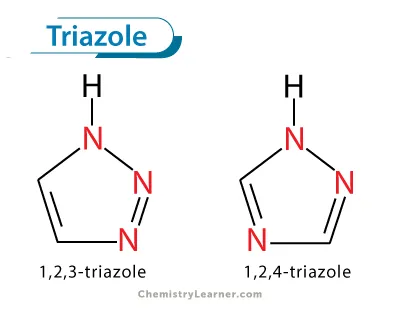
There has been a continuous "race" between researchers creating novel antibacterial drugs and pathogenic bacteria with diverse resistance mechanisms since the first antibiotic was discovered (Penicillin, 1928). The World Health Organization (WHO) released a list of 12 bacteria in 2017 that are so resistant to antibiotics that they pose a serious threat to public health. The germs were categorized as critical, high, and medium in order of priority. Gram-negative bacterial pathogens were among the critical-priority bacteria (1). Finding new antibacterial compounds with unique mechanisms of action and structurally modifying or optimizing the current agents by increasing their binding affinity and spectrum of activity while maintaining bioavailability and safety profile are essential to preventing the emergence of drug resistance. Finding novel synthetic compounds as well as naturally occurring substances (particularly from essential oils produced from plants) is part of the search for new therapeutic alternatives in the treatment of resistant bacterial infections (2,4). Numerous heterocyclic systems have been investigated in an effort to create compounds with significant medicinal applications. Numerous medications contain heterocycles that contain nitrogen. The medicinal characteristics of triazole derivatives are especially intriguing. Triazoles have the chemical formula C2H3N3 and are five-membered rings containing two carbon and three nitrogen atoms. Triazoles come in two isomeric forms, 1,2,3-triazole and 1,2,4-triazole, depending on where the nitrogen atoms are located (Figure 1). The 1H-form and 4H-form of the 1,2,4-triazole ring may coexist in equilibrium (Figure 1).
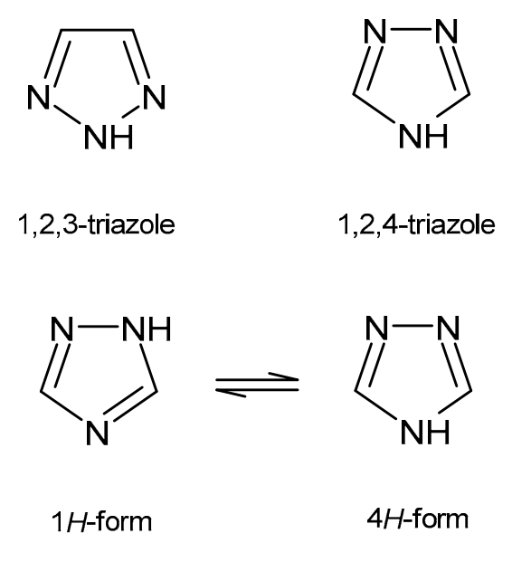
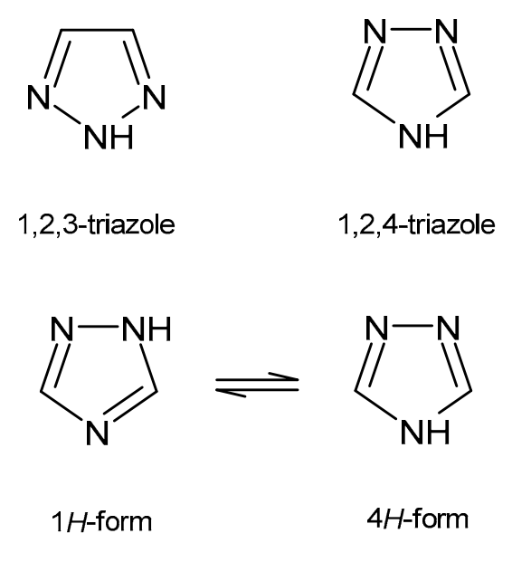
Figure 1. Two isomeric forms of triazole and tautomeric forms of 1,2,4-triazole
According to a survey of the literature, 1,2,4-triazoles and their fused heterocyclic derivatives exhibit a variety of biological functions. Numerous therapeutically significant drugs used in clinical therapy, including itraconazole, posaconazole, voriconazole (antifungal), ribavirin (antiviral), rizatriptan (antimigraine), alprazolam (anxiolytic), trazodone (antidepressant), letrozole, and anastrozole (antitumoral), have incorporated the 1,2,4-triazole core (Figure 2). Over the past few decades, researchers have focused a lot of attention on the synthesis of 1,2,4-triazole derivatives that exhibit a wide range of biological activities, including antifungal (6,7), antitubercular (8), antioxidant (9), anticancer (10), anti-inflammatory (11), analgesic (12), antidiabetic (13), anticonvulsant (14), and anxiolytic (15). Due to the lower toxicity and higher bioavailability of triazole derivatives, as well as their increased specificity for fungal cytochrome p450 and reduced impact on human sterol synthesis, triazole-based pharmacophore has supplanted the previously popular imidazole pharmacophore in systemically active azoles with respect to antifungal activity (16).
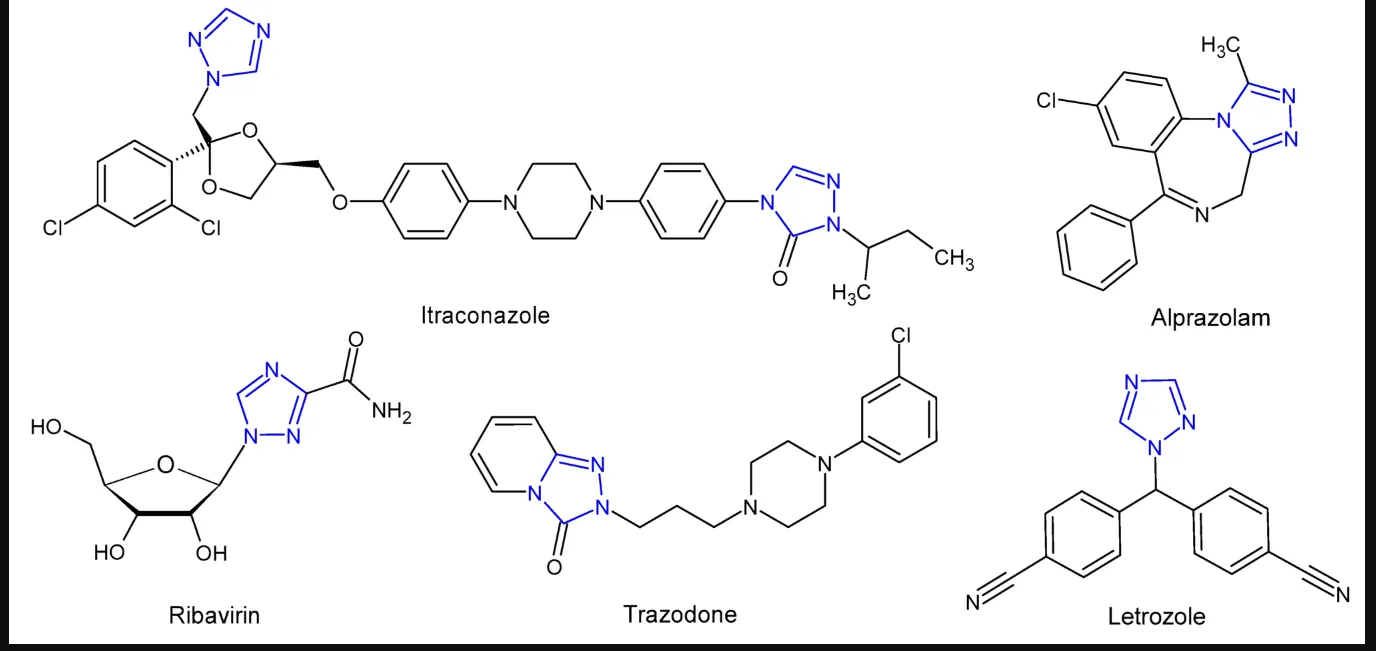
Figure 2. Selected 1,2,4-triazole drugs.
Basic Structure and Nomenclature of Triazoles
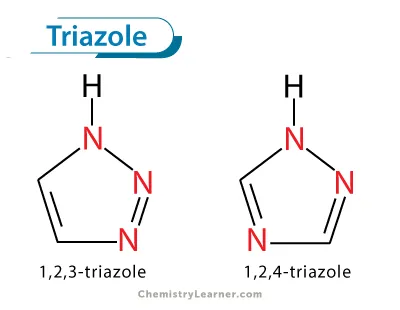
Triazoles are five-membered aromatic heterocyclic compounds containing: 3 nitrogen atoms (N) 2 carbon atoms with Molecular formula: C2H3N3
Table No. 1: Basic Structure and Nomenclature of Triazoles
|
Feature |
1,2,3-Triazole |
1,2,4-Triazole |
|
Basic Skeleton Name and structure |
1,2,3-triazole
|
1,2,4-triazole
|
|
Ring Type |
Five-membered aromatic heterocycle |
Five-membered aromatic heterocycle |
|
Nitrogen Positions |
N at positions 1, 2, and 3 |
N at positions 1, 2, and 4 |
|
General Structure |
Adjacent three nitrogen atoms |
Two adjacent N (1,2) and one separated (4) |
|
Numbering Rule |
Numbering starts from N and gives lowest locants to N atoms (1,2,3) |
Numbering starts from N and assigns positions 1,2,4 |
|
Tautomerism |
Shows 1H- and 2H-tautomerism |
Shows 1H- and 4H-tautomerism |
|
Substituent Naming |
Substituents indicated by position numbers (e.g., 4-methyl-1,2,3-triazole) |
Substituents indicated similarly (e.g., 3-methyl-1,2,4-triazole) |
|
Common Derivative Naming |
N-substitution: e.g., 1-substituted, 2-substituted triazoles |
N- or C-substitution: e.g., 1-substituted or 4-substituted |
|
Hydrogen Position Notation |
1H-1,2,3-triazole or 2H-1,2,3-triazole |
1H-1,2,4-triazole or 4H-1,2,4-triazole |
|
Aromaticity |
Aromatic (6 π electrons) |
Aromatic (6 π electrons) |
|
Important Derivatives (E.g) |
1,2,3-triazole-4-carboxylic acid, 4-phenyl-1,2,3-triazole |
1,2,4-triazole-3-thiol, 3-amino-1,2,4-triazole |
METHODS OF SYNTHESIS OF TRIAZOLE
Table no.2: Methods of Synthesis of Triazole
|
Method |
Key Reaction |
Features / Outcome |
|
Click Chemistry |
Copper-catalyzed azide-alkyne cycloaddition (CuAAC) |
Highly efficient, selective synthesis of 1,2,3-triazoles |
|
Thermal Cyclization |
Azides + alkynes (heat) |
Forms mixture of triazole isomers (less selective) |
|
Huisgen Cycloaddition |
1,3-dipolar cycloaddition reaction |
Classical method for 1,2,3-triazoles |
|
Hydrazine Method |
Hydrazides + nitriles/esters |
Used for synthesis of 1,2,4-triazole derivatives |
|
Microwave-assisted synthesis |
Microwave irradiation reactions |
Faster reaction, higher yield, eco-friendly |
Biological Testing Methods (16)
You can evaluate triazole compounds using:
Biological Information of Triazoles
Table no. 3: Biological Information of Triazoles
|
Sr.no |
Biological Activity |
Target / Mechanism |
Examples / Notes |
|
1 |
Antifungal |
Inhibits Lanosterol 14α-demethylase inhibition → blocks ergosterol synthesis |
Widely used against Candida, Aspergillus |
|
2 |
Antibacterial |
Interferes with cell wall synthesis & enzymes |
Active against Gram (+) and Gram (−) bacteria |
|
4 |
Antiviral |
Inhibits viral enzymes / replication |
Potential against HIV, influenza |
|
5 |
Anti-inflammatory |
Reduces inflammatory mediators |
Useful in chronic inflammation studies (15,16) |
Structure–Activity Relationship (SAR) (15,16)
Triazole derivatives' Structure–Activity Relationship (SAR) describes how modifications to their chemical structure affect their antibacterial activity. It is particularly crucial for creating novel 1,2,3- and 1,2,4-triazole molecules with improved biological effects.
Table no. 4 Structure–Activity Relationship
|
Sr.no |
Structural Feature |
Modification |
Effect on Activity |
|
1 |
Triazole ring type |
1,2,4-triazole |
Strong antifungal activity (better enzyme binding) |
|
1,2,3-triazole |
Broad biological activity (antimicrobial, anticancer) |
||
|
2 |
Substitution position |
N-1, C-3, C-5 substitution |
Alters potency and selectivity |
|
3 |
Electronic effects |
Electron-withdrawing groups (Cl, F, NO₂) |
↑ Activity (enhanced binding affinity) |
|
Electron-donating groups (CH₃, OCH₃) |
May ↓ or modulate activity |
||
|
4 |
Lipophilicity |
Increased hydrophobic groups |
↑ Membrane permeability and activity |
|
5 |
Side chains |
Aryl / heteroaryl substitution |
↑ Target binding and potency |
|
6 |
Flexibility |
Flexible linkers |
Better receptor interaction |
|
7 |
Nitrogen atoms |
Coordination with metal ions |
Essential for antifungal action (enzyme inhibition) |
Anti-Microbial Activity
Due to their potent antibacterial qualities, triazoles—a type of five-membered heterocyclic molecules with three nitrogen atoms—are frequently researched in medicinal chemistry. 1,2,3-triazoles and 1,2,4-triazoles are two significant structural kinds that exhibit biological activity because of their capacity to interact with microbial enzymes and cell structures.
Triazole derivatives are frequently utilized as antifungal medicines because of this mechanism. Clinically significant medications including voriconazole, itraconazole, and fluconazole are frequently used to treat infections brought on by Aspergillus fumigatus and Candida albicans. Triazoles have a slightly different and less selective mode of action in bacteria. Triazole compounds can block the enzymes DNA gyrase or topoisomerase, interfere with the formation of bacterial cell walls, Triazole compounds can interfere with the synthesis of proteins, block the enzymes DNA gyrase or topoisomerase, and impair the creation of bacterial cell walls. Additionally, some triazole chemicals produce reactive oxygen species (ROS), which harm lipids, proteins, and DNA in cells. Their antibacterial action against both Gram-positive and Gram-negative bacteria is a result of these various processes. (17,18)
MECHANISM OF ACTION
Table no. 5: mechanism of action
|
Sr.no |
Step |
Mechanism |
Outcome |
|
1 |
Target enzyme |
Inhibition of fungal lanosterol 14α-demethylase (CYP51) |
Blocks ergosterol synthesis |
|
2 |
Binding |
Triazole nitrogen binds to heme iron of enzyme |
Prevents normal enzyme function |
|
3 |
Sterol synthesis |
Conversion of lanosterol to ergosterol is inhibited |
Ergosterol depletion |
|
4 |
Membrane effect |
Defective fungal cell membrane formation |
↑ Membrane permeability |
|
5 |
Cellular impact |
Leakage of essential intracellular components |
Cell dysfunction |
|
6 |
Final effect |
Growth inhibition (fungistatic) or cell death |
Antifungal action |
Recent Advancement
Advantage and Disadvantage Of Triazole Derivatives
Table no. 6: advantage and disadvantage of triazole derivatives
|
Advantages |
Disadvantages |
|
Broad-Spectrum Antifungal Activity Effective against a wide range of fungi such as Candida albicans and Aspergillus fumigatus used in both superficial and systemic fungal infections |
Hepatotoxicity: May cause liver toxicity on prolonged use, Requires monitoring of liver function |
|
High Selectivity: Target ergosterol synthesis in fungi, not cholesterol in humans, Results in lower toxicity compared to older antifungal drugs |
Limited Antibacterial Activity: Primarily antifungal, less effective against bacteria compared to antibiotics |
|
Good Oral Bioavailability: Many triazoles can be taken orally with good absorption, Example: Fluconazole |
Adverse Effects: Nausea, headache and skin rash, Rare but serious effects: liver damage, QT prolongation |
|
Strong Enzyme Binding: Triazole ring binds strongly with fungal enzymes (CYP450), Leads to effective inhibition of fungal growth |
Cost of Advanced Derivatives: Newer triazoles (like Voriconazole) can be expensive |
|
Anti-Biofilm Activity Can inhibit microbial biofilm formation useful in resistant infections |
Development of Resistance: Fungi can develop resistance via: Mutation of target enzyme, Efflux pumps, Reduces long-term effectiveness |
|
|
Drug Interactions: Inhibit human cytochrome P450 enzymes Can interact with many drugs (serious limitation) (18) |
FUTURE PERSPECTIVES OF TRIAZOLE DERIVATIVES
CONCLUSION
A potent method for creating potent antibacterial drugs is the design and synthesis of new triazole compounds. While structural changes (such as phenyl groups, amino groups, and electron-withdrawing substituents) improve activity, selectivity, and membrane penetration, the triazole ring serves as a crucial pharmacophore. Click chemistry and other contemporary synthetic techniques make it simple and effective to generate a variety of derivatives.
As demonstrated by medications like fluconazole, these substances exhibit potent antibacterial activity primarily by blocking vital microbial enzymes. Despite obstacles including toxicity and resistance, continuous improvements in drug transport and molecular design are increasing their efficacy.
REFERENCES


Samrat Khedkar, Mahesh Pingale, Om Walke*, Nikita Pol, Priyanka Chendke, A Review on Design and Synthesis of Novel Triazole Derivative as Antimicrobial Agents, Int. J. Med. Pharm. Sci., 2026, 2 (7), 238-244. https://doi.org/10.5281/zenodo.21201345
 10.5281/zenodo.21201345