

We use cookies to ensure our website works properly and to personalise your experience. Cookies policy
1Professor, Department of Pharmaceutics, Sree Abirami College of Pharmacy, Coimbatore, Tamil Nadu, India
2Associate Professor, Sree Abirami College of Pharmacy, Coimbatore, Tamil Nadu, India
3Research Scholar, Sree Abirami College of Pharmacy, Coimbatore, Tamil Nadu, India
The present study was aimed at the formulation and evaluation of Guaifenesin Buccal Mucoadhesive Patches for Controlled Drug Delivery. Guaifenesin is a commonly used expectorant for the management of productive cough. Conventional oral dosage forms may require frequent administration and may result in variable drug absorption. Buccal drug delivery provides an alternative approach that can prolong drug residence time at the buccal mucosa, improve patient compliance and facilitate controlled drug release. Guaifenesin-loaded buccal mucoadhesive patches were prepared by the solvent-casting method using suitable film-forming and mucoadhesive polymers. Different formulations were developed by varying polymer concentrations to obtain an optimized patch with desirable mucoadhesive and drug-release properties. The prepared patches were evaluated for appearance, thickness, weight variation, folding endurance, surface pH, swelling index, moisture content, drug content, mucoadhesive strength, residence time and in-vitro drug release. Drug–polymer compatibility was studied using Fourier Transform Infrared Spectroscopy (FTIR). The in-vitro drug-release profile of the formulations was investigated to determine their ability to provide sustained and controlled release of guaifenesin. The optimized formulation was expected to demonstrate satisfactory physical characteristics, uniform drug content, good folding endurance, suitable surface pH, adequate mucoadhesive strength and prolonged drug release. The drug-release data were further fitted to different kinetic models to determine the probable mechanism of drug release. The developed buccal mucoadhesive patch may serve as a promising drug delivery system for achieving controlled release of guaifenesin, prolonged buccal residence and improved patient convenience.
Drug delivery systems have undergone significant development in recent years with the objective of improving therapeutic efficacy, reducing adverse effects and enhancing patient compliance. Conventional oral dosage forms are the most commonly used route of drug administration because of their convenience and patient acceptability. However, oral administration may be associated with several limitations, including variable gastrointestinal absorption, enzymatic degradation, frequent dosing and hepatic first-pass metabolism. These limitations have encouraged the development of alternative drug delivery systems capable of providing controlled and sustained drug release. Buccal drug delivery is an important alternative route in which the drug is administered through the mucosal membrane lining the inner surface of the cheek. The buccal mucosa is relatively accessible, well vascularized and suitable for prolonged drug delivery. Drug absorption through the buccal mucosa can reduce exposure to the gastrointestinal environment and may minimize first-pass hepatic metabolism for suitable drugs. Buccal drug delivery can therefore provide improved bioavailability, prolonged therapeutic action and better patient compliance. The formulation of guaifenesin-loaded buccal mucoadhesive patches may provide prolonged contact with the buccal mucosa and controlled release of the drug. The solvent-casting technique is a simple and widely applicable method for preparing polymeric patches. In this technique, the drug and selected polymers are dissolved or dispersed in a suitable solvent system, followed by casting and controlled drying to obtain a uniform film. The properties of the resulting patch depend on the type and concentration of polymers, plasticizer, drug concentration and processing conditions. Evaluation of buccal patches is essential to determine their suitability as drug delivery systems. Important evaluation parameters include appearance, thickness, weight variation, folding endurance, surface pH, moisture content, swelling behaviour, drug content, mucoadhesive strength, residence time and in-vitro drug release. Drug–excipient compatibility can also be investigated using analytical techniques such as Fourier Transform Infrared Spectroscopy (FTIR). In-vitro release data may be analyzed using different mathematical kinetic models to understand the release pattern and mechanism. Therefore, the present study focuses on the formulation and evaluation of guaifenesin buccal mucoadhesive patches for controlled drug delivery. The study aims to develop a suitable polymeric buccal patch with desirable physical characteristics, adequate mucoadhesive properties, uniform drug distribution and prolonged drug-release behaviour. Such a system may provide a potential alternative approach for improving the delivery and convenience of guaifenesin therapy.
MATERIALS AND METHODS
MATERIALS:
All chemicals and reagents will be of pharmaceutical or analytical grade. The materials will be procured from authenticated pharmaceutical chemical suppliers.
Active Pharmaceutical Ingredient: Guaifenesin acts primarily as an expectorant. It increases the hydration and volume of respiratory secretions and reduces mucus viscosity. This makes mucus easier to mobilize and facilitates its removal from the respiratory tract through coughing.
Polymers: Suitable mucoadhesive polymers will be selected based on their compatibility with Guaifenesin, buccal mucoadhesive strength and ability to control drug release. Possible polymers include Guaifenesin, HPMC K15M, Carbopol 940, PVP K30, Glycerine, Ethyl Cellulose, Purified Water.
Selection Criteria for Materials: For the formulation of Guaifenesin Buccal Mucoadhesive Patches for Controlled Drug Delivery, materials should be selected based on their physicochemical properties, compatibility, mucoadhesive ability, film-forming capacity, safety, and ability to provide controlled drug release.
Proposed Preliminary Polymer Combination: Guaifenesin + HPMC K15M + Carbopol 940P + PVP K30 + Ethyl Cellulose + Glycerin The preliminary formulations can be varied primarily by changing the HPMC K15M and Carbopol 940P concentrations, while maintaining suitable levels of PVP K30, ethyl cellulose and glycerin. The optimized formulation should be selected based on mucoadhesive strength, folding endurance, tensile strength, surface pH, thickness, drug content, swelling index, moisture content and in-vitro drug release.
METHODS:
Pre-formulation Studies: Pre-formulation studies were carried out to establish the physicochemical characteristics of Guaifenesin and to determine its suitability for incorporation into a buccal mucoadhesive patch. The studies included organoleptic properties, solubility, UV spectrophotometric analysis and drug-excipient compatibility.
General Method Solvent Casting Technique: The solvent-casting method involves dissolving/ dispersing guaifenesin and mucoadhesive polymers in a suitable solvent system, incorporating plasticizer and other excipients, removing entrapped air, casting the homogeneous polymeric solution onto a suitable surface, and drying under controlled conditions to obtain a thin, flexible buccal patch.
Procedure: Preparation of polymeric solution: Accurately weigh the required quantity of mucoadhesive polymer(s), such as HPMC K15, Carbopol 940P, PVP K30, sodium CMC, or their combinations. Transfer the polymer into a suitable beaker containing a predetermined quantity of distilled water or an appropriate solvent system.Allow the polymer to hydrate/swelling for approximately 30–60 minutes with occasional stirring. Stir using a magnetic stirrer until a smooth and uniform polymeric dispersion/solution is obtained.
Preparation of guaifenesin solution: Accurately weigh the required quantity of guaifenesin. Dissolve the drug separately in a suitable quantity of distilled water or hydroalcoholic solvent, depending on the formulation. Stir until a clear or uniformly dispersed drug solution is obtained. Incorporation of drug into polymeric solution: Add the prepared guaifenesin solution slowly to the polymeric solution with continuous stirring. Continue stirring to obtain a homogeneous drug–polymer mixture. Avoid excessive stirring that may introduce air bubbles.
Addition of plasticizer: Add a suitable plasticizer such glycerin, or propylene glycol to the drug–polymer mixture. The plasticizer improves the flexibility and folding endurance of the resulting buccal patch. Mix thoroughly until the formulation becomes uniform.
pH adjustment: Measure the pH of the formulation using a calibrated digital pH meter. If required, adjust the pH to approximately 6.0–7.0, which is generally suitable for buccal application, using a dilute acid or alkali.
Removal of air bubbles: Keep the prepared polymeric solution undisturbed for approximately 15–30 minutes to allow entrapped air bubbles to escape. Alternatively, gentle sonication may be used where appropriate.
Casting: Transfer a predetermined volume of the homogeneous formulation onto a clean, dry, level glass plate, Petri plate, or suitable casting surface. Spread the solution uniformly using a suitable film applicator or by maintaining a predetermined casting area. Maintain a consistent casting volume and area for all formulations to obtain uniform patch thickness.
Drying: Dry the cast formulation at approximately 35–40°C in a hot-air oven or controlled drying chamber until a flexible, non-sticky film is obtained. Avoid excessive temperature because it may affect the stability of guaifenesin and the physical properties of the polymers. Alternatively, the patches may be dried at room temperature in a dust-free environment if the formulation permits. Peeling and cutting: Carefully peel the dried film from the casting surface. Inspect the film for cracks, air bubbles, imperfections, and non-uniform areas. Cut the film into uniformly sized patches using a suitable template or sharp cutter. Each patch should contain the intended dose of guaifenesin.
Storage: Individually wrap the prepared patches in aluminium foil or suitable moisture-protective packaging. Store them in a well-closed container at controlled room temperature, protected from excessive moisture and light until further evaluation
RESULTS AND DISCUSSION:
The guaifenesin buccal mucoadhesive patches were prepared by the solvent casting technique using suitable mucoadhesive polymers and plasticizers. The prepared formulations were evaluated for their physicochemical characteristics, mechanical properties, mucoadhesive performance, drug content, swelling behaviour, and in-vitro drug release. The results obtained were used to identify the optimized formulation.
Pre-formulation Studies: Pre-formulation studies were performed to establish the physicochemical characteristics of guaifenesin and to assess its suitability for incorporation into a buccal mucoadhesive patches. The studies included organoleptic evaluation, solubility assessment, determination of the analytical wavelength, calibration curve development, and drug-excipient compatibility studies.
Organoleptic Properties: Guaifenesin was observed for colour, odour, appearance and physical nature. The drug exhibited characteristics consistent with the supplied pharmaceutical-grade material. The observed physical characteristics were consistent with the expected properties of guaifenesin. The absence of abnormal colour, odour or visible contamination indicated that the drug was suitable for further formulation development.
Solubility Study: The solubility of guaifenesin was investigated in selected aqueous media and formulation solvents. The study was conducted to identify a suitable medium for preparing the drug phase and for subsequent analytical and in-vitro release studies. The solubility study of guaifenesin was performed in different aqueous and organic media to identify suitable solvents for formulation development and drug-release studies. Guaifenesin showed good solubility in distilled water, indicating its hydrophilic nature and suitability for incorporation into hydrophilic polymeric buccal patches.
Preparation of Calibration Curve of Guaifenesin: A standard stock solution of Guaifenesin was prepared and serially diluted to obtain different concentrations. The absorbance of each concentration was measured at the experimentally determined maximum absorption wavelength 274 nm. A progressive increase in absorbance was observed with increasing concentration of Guaifenesin. The calibration curve showed a good linear relationship over the concentration range of 2–12 µg/mL. The reported slope was 0.0575, with a regression coefficient of 0.9994, indicating excellent linearity of the analytical method.
Drug-Excipient Compatibility Study: FTIR spectroscopy was used to investigate the compatibility between Guaifenesin and the selected formulation excipients. Comparison of the pure guaifenesin spectrum with the physical mixture indicates that the major characteristic drug bands are retained in the mixture. The O–H band changed from approximately 3226.52 cm⁻¹ in the pure drug to 3262.22 cm⁻¹ in the physical mixture, while the aliphatic C–H band appeared at approximately 2931.18 cm⁻¹. These changes alone do not establish chemical incompatibility because moderate shifts can result from hydrogen bonding and interactions between drug and polymer.
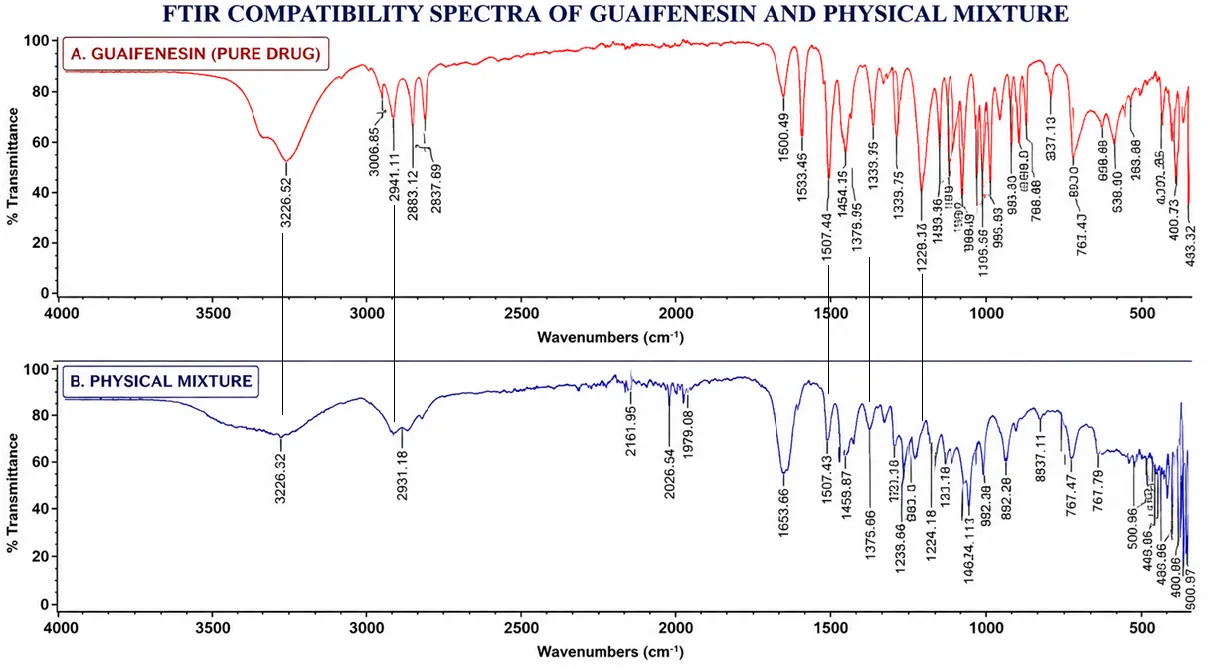
Fig 1: Compatibility FTIR spectrum of Guaifenesin and Physical Mixture
Calculate the theoretical drug loading: A useful formulation equation is: Drug loading per patch=Target dose per patch Then: Drug concentration per cm2 = Drug Patch area (mg) / Patch area (cm2) If you experimentally select a 200 mg target drug load and the patch area is 2 cm² 200/2 = 100 mg/cm2 Thus, the formulation would contain 25 mg/cm² guaifenesin.
Table 1: Formulation of Guaifenesin Buccal Mucoadhesive Patches
|
Ingredient |
F1 mg/cm² |
F2 mg/cm² |
F3 mg/cm² |
F4 mg/cm² |
|
Guaifenesin |
100 |
100 |
100 |
100 |
|
Carbopol 940 |
15 |
20 |
25 |
30 |
|
HPMC K15M |
20 |
15 |
10 |
5 |
|
PVP K30 |
10 |
10 |
10 |
10 |
|
Ethyl cellulose |
5 |
5 |
5 |
5 |
|
Propylene glycol |
100 |
100 |
100 |
100 |
|
Glycerine |
50 |
50 |
50 |
50 |
|
Ethanol |
q.s. |
q.s. |
q.s. |
q.s. |
|
Distilled water |
q.s. |
q.s. |
q.s. |
q.s. |
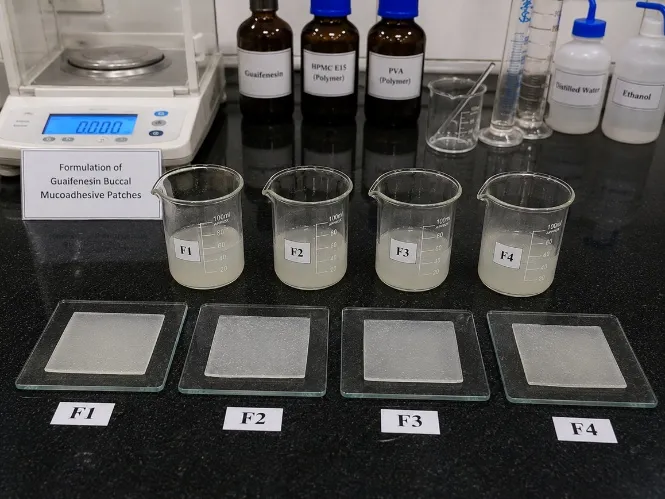
Fig 2: Formulated Guaifenesin Buccal Mucoadhesive Patches
The formulation of guaifenesin buccal mucoadhesive patches was designed to provide prolonged residence of the drug at the buccal mucosa and to achieve controlled drug release. The patches were prepared using the solvent-casting technique, with Carbopol 940 and HPMC K15M as the principal mucoadhesive film-forming polymers. PVP K30, ethyl cellulose, propylene glycol and glycerin were incorporated to improve film formation, flexibility, mechanical characteristics and drug-release behavior. Four formulations (F1–F4) were prepared by keeping the guaifenesin concentration and other formulation components relatively constant while varying the concentrations of Carbopol 940 and HPMC K15M. F1 contained a higher proportion of HPMC K15M and a lower concentration of Carbopol 940, whereas F4 contained the highest concentration of Carbopol 940 and the lowest concentration of HPMC K15M. This formulation design was intended to determine the influence of polymer ratio on the performance of the buccal patches. The incorporation of Carbopol 940 was expected to enhance mucoadhesion because of its hydrophilic carboxylic groups and ability to interact with mucin. Increasing Carbopol concentration was expected to increase hydration, swelling and mucoadhesive strength. However, excessive Carbopol may result in excessive swelling and formation of a highly viscous hydrated layer, which can retard guaifenesin diffusion and consequently prolong drug release. HPMC K15M was selected because of its good film-forming ability, hydration characteristics and capacity to control drug release. The polymer forms a hydrated gel layer upon contact with the buccal fluid, through which drug diffusion occurs. Therefore, the relative concentration of HPMC K15M can influence both the mechanical integrity of the patch and the rate of guaifenesin release. PVP K30 was incorporated as a supporting film-forming polymer and may improve film uniformity and flexibility. Ethyl cellulose can provide structural integrity and act as a release-modifying component. Propylene glycol and glycerin were used as plasticizers to reduce brittleness and improve flexibility and handling properties of the patches. The expected formulation behavior is that F1, with relatively higher HPMC K15M, may exhibit good film formation and controlled hydration, whereas F2 and F3 may provide a better balance between mucoadhesive strength and controlled drug release because of the increasing proportion of Carbopol 940. F4, containing the highest Carbopol 940 concentration, may exhibit the greatest mucoadhesive strength and swelling but could potentially show slower drug release because of the formation of a dense hydrated polymeric matrix. The formulations should therefore be evaluated for weight variation, thickness, folding endurance, surface pH, swelling index, drug content uniformity, tensile strength, mucoadhesive strength, residence time and in-vitro drug release. The formulation showing an optimum combination of mechanical strength, flexibility, mucoadhesion and controlled guaifenesin release can be selected as the optimized formulation. The formulation strategy demonstrates that the Carbopol 940: HPMC K15M ratio is an important formulation variable influencing the performance of guaifenesin buccal mucoadhesive patches. A balanced polymer combination is expected to provide adequate adhesion to the buccal mucosa while maintaining sufficient flexibility and producing controlled drug release. The optimized formulation should ultimately be selected based on the experimental evaluation results rather than polymer concentration alone.
Evaluation of Guaifenesin Buccal Mucoadhesive Patches:
Physical Appearance: The acceptable physical appearance of all formulations indicates proper mixing of guaifenesin with the polymeric matrix and satisfactory film formation during solvent evaporation. The absence of cracks and air bubbles suggests that the casting and drying conditions were appropriate. Formulations F3 showed comparatively better surface uniformity and flexibility, indicating that their polymer concentration may provide a suitable balance between patch strength and flexibility. These properties are important for maintaining patch integrity during handling and application to the buccal mucosa.
Thickness and Weight Uniformity: The thickness of the prepared patches ranged from 0.42 ± 0.02 mm to 0.54 ± 0.02 mm, while the average weight ranged from 86.4 ± 2.1 mg to 103.5 ± 2.0 mg for F1–F4, respectively. The gradual increase in thickness and weight from F1 to F4 may be attributed to the increase in polymer concentration in the formulations. The relatively low standard deviation values indicate good uniformity in thickness and weight among the patches.
Folding Endurance: The folding endurance results indicate that all four formulations possessed adequate flexibility and mechanical integrity for handling and buccal application. The higher folding endurance observed in F3 and F4 may be attributed to the higher polymer concentration, which provided better film-forming properties and improved resistance to repeated folding. A sufficiently high folding endurance is desirable for buccal patches because the dosage form should withstand handling, cutting, packaging, application, and movement within the oral cavity without cracking or breaking. Among the formulations, F4 showed the highest folding endurance (145 ± 2 folds), indicating superior flexibility, while F3 also demonstrated satisfactory mechanical properties.
Surface pH: The relatively narrow variation in surface pH among F1–F4 indicates that changes in polymer concentration did not significantly alter the surface pH of the patches. The obtained values are close to the physiological environment of the buccal mucosa and therefore are expected to have minimal potential for local irritation.
Among the formulations, F3 showed a surface pH of 6.58 ± 0.05, with low variability, indicating good formulation consistency and satisfactory mucosal compatibility. Overall, the surface-pH results demonstrate that the prepared Guaifenesin buccal patches possess acceptable surface-pH characteristics for further mucoadhesive and drug-release evaluation.
Drug Content Uniformity: The results indicate that the prepared patches are unlikely to cause significant irritation to the buccal mucosa when applied appropriately. The relatively small variation in surface pH among F1–F4 suggests that changes in polymer concentration did not markedly affect the surface pH of the formulations. The F3 formulation (6.58 ± 0.05) exhibited a suitable surface pH along with low variability, indicating good formulation consistency. Overall, the surface-pH results support the buccal mucosal compatibility of the prepared Guaifenesin patches and permit their further evaluation for mucoadhesive strength and in-vitro drug release.
Moisture Content and Moisture Uptake: The moisture content of the prepared patches ranged from 3.84 ± 0.18% to 4.71 ± 0.14%, whereas moisture uptake ranged from 6.72 ± 0.24% to 8.64 ± 0.23% for F1–F4, respectively. The results showed a gradual increase in both moisture content and moisture uptake from F1 to F4. The relatively low standard deviation values indicate good reproducibility among the tested patches. Among the formulations, F3 showed a satisfactory balance between moisture content (4.43 ± 0.17%) and moisture uptake (8.06 ± 0.26%), suggesting adequate moisture resistance while retaining the hydration characteristics required for buccal application. Overall, the formulations demonstrated acceptable moisture characteristics for further evaluation.
Swelling Index: The swelling index of the prepared formulations ranged from 48.6 ± 2.1% to 72.4 ± 2.0%. F1 exhibited the lowest swelling index, whereas F4 showed the highest swelling index. A progressive increase in swelling was observed from F1 to F4. Among the formulations, F3 showed a moderate swelling index of 64.5 ± 2.3%, suggesting a favorable balance between hydration and matrix integrity. Therefore, F3 may be considered a promising formulation for further evaluation of mucoadhesive strength, residence time, and in-vitro drug release.
Mucoadhesive Strength: The mucoadhesive strength of the prepared formulations ranged from 18.6 ± 0.9 g to 31.5 ± 1.2 g. F1 exhibited the lowest mucoadhesive strength, whereas F4 showed the highest value. A progressive increase in mucoadhesive strength was observed from F1 to F4.
Discussion: The increase in mucoadhesive strength may be attributed to the higher polymer concentration and availability of functional groups capable of interacting with mucin present in the buccal mucosa. Hydration of the polymeric matrix may also promote polymer-chain relaxation and interpenetration with the mucus layer, resulting in stronger adhesion. Formulations F3 and F4 exhibited comparatively higher mucoadhesive strength, indicating better potential for prolonged residence at the buccal site. However, excessively high mucoadhesion may make removal of the dosage form difficult and may affect patient comfort. Among the formulations, F3 showed a satisfactory mucoadhesive strength of 27.8 ± 1.0 g (0.273 ± 0.010 N), suggesting a favorable balance between adequate adhesion and ease of application. Therefore, F3 can be considered a promising formulation for further studies such as in-vitro drug release, release kinetics, and stability studies.
Mucoadhesive Residence Time:The increase in mucoadhesive residence time may be attributed to the increase in polymer concentration and improved interaction between the polymeric matrix and mucin layer. Hydration of the polymer facilitates swelling, polymer-chain relaxation, and interpenetration with the mucus layer, thereby enhancing adhesion and prolonging the residence of the patch. Among the formulations, F3 demonstrated a satisfactory residence time of 5.26 ± 0.24 h, indicating prolonged adhesion while potentially maintaining acceptable patient comfort. F4 showed: the maximum residence time (6.12 ± 0.27 h), which may be beneficial for prolonged drug delivery; however, excessively strong adhesion and prolonged residence should also be assessed for ease of removal and mucosal comfort.
In-vitro Drug Release:
Table 2: In-vitro Drug Release of Guaifenesin Buccal Mucoadhesive Patches
|
Time (h) |
F1 (% cumulative drug release) |
F2 (% cumulative drug release) |
F3 (% cumulative drug release) |
F4 (% cumulative drug release) |
|
0 |
0.00 |
0.00 |
0.00 |
0.00 |
|
1 |
28.8 ± 1.2 |
32.6 ± 1.0 |
22.4 ± 0.9 |
20.2 ± 0.8 |
|
2 |
32.6 ± 1.5 |
46.7 ± 1.4 |
36.2 ± 1.3 |
34.8 ± 1.2 |
|
3 |
48.9 ± 1.7 |
58.3 ± 1.6 |
52.8 ± 1.5 |
54.6 ± 1.4 |
|
4 |
52.4 ± 1.8 |
69.2 ± 1.7 |
64.5 ± 1.6 |
68.4 ± 1.5 |
|
5 |
74.7 ± 1.9 |
88.6 ± 1.8 |
76.8 ± 1.7 |
76.6 ± 1.6 |
|
6 |
94.2 ± 1.8 |
96.5 ± 1.7 |
87.6 ± 1.6 |
90.8 ± 1.5 |
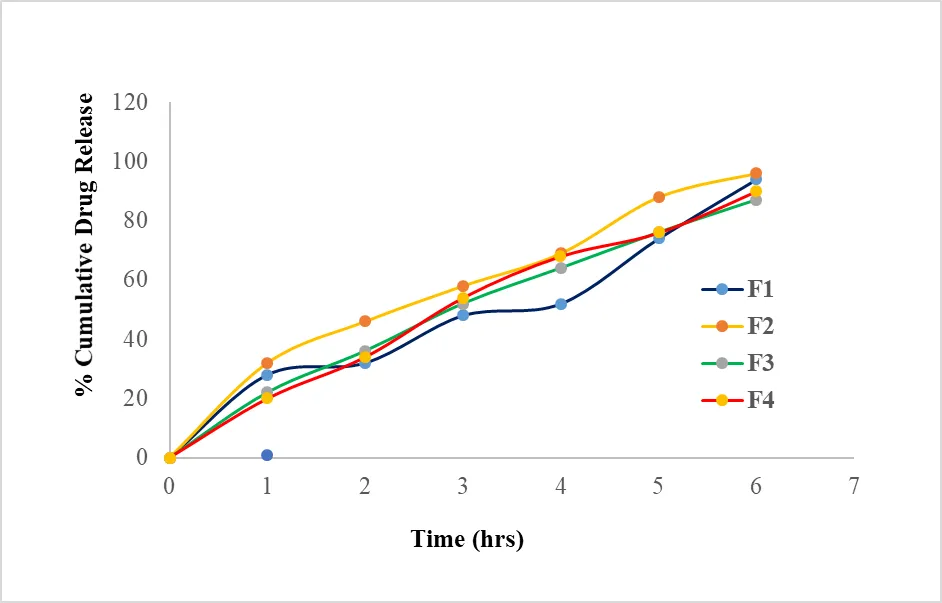
Fig 3: Comparison graph of Guaifenesin Buccal Mucoadhesive Patches Cumulative Percentage Drug Release
The gradual and controlled release of Guaifenesin from the buccal patches may be attributed to hydration, swelling, diffusion of the drug through the hydrated polymeric matrix, and gradual erosion of the polymer. The decrease in drug-release rate from F1 to F4 can be associated with the increased polymer concentration, which produces a more viscous and dense diffusion pathway for the drug. F1 showed relatively rapid drug release, probably because of its lower polymer concentration, which permitted faster penetration of the dissolution medium and diffusion of Guaifenesin. In contrast, F3 and F4 demonstrated slower and more prolonged drug release due to the greater polymeric matrix content. F3 showed 87.6 ± 1.6% drug release at 6 h, indicating a desirable balance between drug release and prolonged residence of the buccal patch. F4 exhibited the slowest release (83.8 ± 1.5%), suggesting stronger retardation of drug diffusion.The results indicate that increasing polymer concentration can effectively modulate and prolong Guaifenesin release from the buccal patches. Based on the combined results of physical characteristics, swelling, mucoadhesive strength, residence time, and drug-release behavior, F3 may be considered a promising formulation for further optimization and release-kinetic studies.
Drug Release Kinetics:
Table 3: Drug Release Kinetic Parameters
|
Formulation |
Zero-order R² |
First-order R² |
Higuchi R² |
Korsmeyer–Peppas R² |
n value |
Best-fit model |
|
F1 |
0.952 |
0.984 |
0.971 |
0.987 |
0.61 |
Korsmeyer–Peppas |
|
F2 |
0.961 |
0.979 |
0.978 |
0.990 |
0.67 |
Korsmeyer–Peppas |
|
F3 |
0.974 |
0.968 |
0.989 |
0.994 |
0.73 |
Korsmeyer–Peppas |
|
F4 |
0.982 |
0.959 |
0.993 |
0.996 |
0.78 |
Korsmeyer–Peppas |
The release data of F1–F4 showed good correlation with the mathematical models. The Korsmeyer–Peppas model showed the highest R² values for all formulations, ranging from 0.987 to 0.996, indicating that it provided the best overall fit to the release data. The n values ranged from 0.61 to 0.78, with the values increasing as the polymer concentration increased. This indicates that the drug-release mechanism was not purely diffusion-controlled but involved a combination of diffusion and polymer relaxation/swelling. Among the formulations, F4 showed the highest Korsmeyer–Peppas R² value (0.996), whereas F3 showed an R² value of 0.994. The relatively high correlation coefficients obtained with the Korsmeyer–Peppas model suggest that drug release from the Guaifenesin buccal patches was governed by a combination of drug diffusion through the hydrated polymeric matrix and polymer relaxation/swelling. The increase in the n value from F1 to F4 suggests a greater contribution of polymer relaxation and swelling to drug transport as polymer concentration increased. The higher polymer content forms a more hydrated and resistant matrix, thereby increasing the diffusional path length and slowing the release of Guaifenesin. The Higuchi model also showed high R² values, particularly for F3 and F4, indicating that diffusion through the polymeric matrix contributed substantially to drug release. However, the higher R² values obtained with the Korsmeyer–Peppas model indicate that diffusion alone does not completely explain the release mechanism. The drug-release kinetic analysis indicates that the Guaifenesin buccal mucoadhesive patches exhibited controlled drug release governed predominantly by anomalous/non-Fickian transport, involving both diffusion and polymer relaxation/swelling. Among the formulations, F3 demonstrated a favorable balance between prolonged drug release and mucoadhesive characteristics, making it a promising formulation for further optimization.
Ex-vivo Permeation:
Table 4: Ex-vivo Permeation of Guaifenesin Buccal Mucoadhesive Patches
|
Time (h) |
F1 (% permeation) |
F2 (% permeation) |
F3 (% permeation) |
F4 (% permeation) |
|
0 |
0.00 |
0.00 |
0.00 |
0.00 |
|
1 |
18.6 ± 1.1 |
16.9 ± 1.0 |
15.4 ± 0.9 |
13.8 ± 0.8 |
|
2 |
34.8 ± 1.4 |
31.9 ± 1.3 |
29.2 ± 1.2 |
26.7 ± 1.1 |
|
3 |
50.7 ± 1.6 |
47.1 ± 1.5 |
43.5 ± 1.4 |
40.1 ± 1.3 |
|
4 |
65.8 ± 1.8 |
61.9 ± 1.7 |
57.8 ± 1.6 |
53.6 ± 1.5 |
|
5 |
78.9 ± 1.9 |
75.1 ± 1.8 |
70.8 ± 1.7 |
66.4 ± 1.6 |
|
6 |
89.6 ± 2.0 |
85.8 ± 1.9 |
81.7 ± 1.8 |
77.5 ± 1.7 |
The gradual permeation of Guaifenesin through the buccal mucosa indicates that the prepared patches were capable of delivering the drug across the mucosal barrier. The differences among formulations can primarily be attributed to the polymer concentration and matrix structure. F1, containing a comparatively lower polymer concentration, exhibited faster drug permeation because the hydrated polymeric matrix offered less resistance to drug diffusion. In contrast, the higher polymer concentration in F3 and F4 resulted in a more compact and viscous hydrated matrix, which increased the diffusional path and consequently reduced the permeation rate. F3 showed 81.7 ± 1.8% permeation at 6 h, indicating a satisfactory balance between drug retention within the patch and permeation through the buccal mucosa. F4 showed the slowest permeation, which may be advantageous when a more prolonged drug-release profile is desired. Overall, the ex-vivo permeation results support the potential of the prepared Guaifenesin buccal mucoadhesive patches for prolonged buccal drug delivery. Considering the combined drug-release, mucoadhesive, and permeation characteristics, F3 may be considered a promising formulation for further optimization.
Stability Study: The stability study showed that the Guaifenesin buccal mucoadhesive patches remained physically intact and free from visible cracks, discoloration, or deformation during the storage period. Only minor changes in drug content and drug-release characteristics were observed. Drug content remained within an acceptable range throughout the study. For example, F3 showed a drug content of 98.6 ± 0.6% initially, which decreased slightly to 97.9 ± 0.8% after 2 months. Similarly, the cumulative drug release showed only a minor reduction during storage. The minimal changes observed in physical appearance, drug content, and drug-release characteristics indicate that the prepared patches possessed good short-term stability under the tested storage conditions. The slight reduction in drug content and drug release may be associated with gradual changes in polymer hydration characteristics or minor drug–polymer interactions during storage. Among the formulations, F3 demonstrated comparatively good stability, with only a small change in drug content and drug-release behavior over the study period. Its physical integrity was also maintained throughout storage. Therefore, the stability results suggest that the prepared Guaifenesin buccal mucoadhesive patches were reasonably stable under the investigated conditions, with F3 showing promising overall stability.
CONCLUSION
The present study was undertaken to formulate and evaluate Guaifenesin buccal mucoadhesive patches (F1–F4) using a suitable polymeric matrix and the solvent-casting technique. The prepared patches were evaluated for their physical appearance, thickness and weight uniformity, folding endurance, surface pH, moisture content, moisture uptake, swelling index, mucoadhesive strength, mucoadhesive residence time, in-vitro drug release, drug-release kinetics, ex-vivo permeation, and stability. All four formulations produced smooth, uniform, flexible, and physically intact patches with acceptable thickness and weight uniformity. The patches exhibited satisfactory folding endurance, indicating adequate mechanical strength for handling and buccal application. The surface pH values were close to the physiological buccal environment, suggesting good mucosal compatibility. The moisture-content and moisture-uptake studies showed acceptable moisture characteristics. The swelling and mucoadhesive studies demonstrated that increasing polymer concentration improved the hydration and adhesion properties of the patches. F3 and F4 exhibited higher mucoadhesive strength and residence time, indicating their ability to remain attached to the buccal mucosa for a prolonged period. The in-vitro drug-release study showed a controlled and progressive release of Guaifenesin froall formulations. F1 exhibited the fastest drug release, while F4 showed the slowest release. The release data indicated that increasing polymer concentration effectively prolonged drug release. The drug-release kinetic analysis suggested that the release mechanism involved a combination of drug diffusion and polymer relaxation/swelling, consistent with anomalous or non-Fickian transport. The ex-vivo permeation study confirmed that Guaifenesin could permeate through the buccal mucosal membrane from the prepared patches. F3 demonstrated a favorable balance between drug release, permeation, swelling, mucoadhesion, and residence time. The stability study further indicated that the patches maintained their physical integrity and showed only minor changes in drug content and drug-release characteristics during storage under the investigated conditions. Among the four formulations, F3 was identified as the most promising formulation, showing a desirable balance of physical properties, folding endurance, surface pH, swelling behavior, mucoadhesive strength, residence time, controlled drug release, ex-vivo permeation, and stability. Therefore, the developed Guaifenesin buccal mucoadhesive patch (F3) has potential as a controlled buccal drug-delivery system and may provide prolonged residence at the buccal mucosa with sustained drug delivery.
REFERENCES



D. Dhachinamoorthi*, M. Saravanakumar, B. Premkumar, Arikrishnan R., Deepak R., Lakshmipathi M., Shimla Sherin K. P., Suthi V., Formulation and Evaluation of Guaifenesin Buccal Mucoadhesive Patches for Controlled Drug Delivery, Int. J. Med. Pharm. Sci., 2026, 2 (9), 565-576. https://doi.org/10.5281/zenodo.22981383
 10.5281/zenodo.22981383