

We use cookies to ensure our website works properly and to personalise your experience. Cookies policy
1Pallavan Pharmacy College, Kanchipuram-631 502
2Department of Pharmacognosy, Pallavan Pharmacy College, Kanchipuram-631 502
3Department of Pharmacology, Pallavan Pharmacy College, Kanchipuram-631 502
4Department of Pharmaceutical Chemistry, Pallavan Pharmacy College, Kanchipuram-631 502
Multidrug-resistant (MDR) bacteria pose a serious global health challenge, reducing the effectiveness of conventional antibiotics and increasing infection-related mortality. Nanoparticles have emerged as promising drug delivery systems due to their enhanced bioavailability, targeted action, controlled release, and antimicrobial properties. Various nanoparticles, including silver, gold, copper, iron, carbon-based, polymeric, and hybrid nanoparticles, combat resistant pathogens through mechanisms such as reactive oxygen species generation, membrane disruption, biofilm inhibition, DNA damage, and efflux pump suppression. These nanocarriers improve antibiotic efficacy, reduce toxicity, and minimize resistance development. This review highlights the role of nanoparticles in overcoming antibiotic resistance and improving infection treatment outcomes.
Multidrug-resistant (MDR) pathogens are one of the greatest threats to global public health, leading to severe infections that are hard to treat with standard antibiotics (1). The World Health Organization (WHO) highlights that antimicrobial resistance is a major public health issue, causing at least 4.95 million deaths worldwide every year. According to the Centres for Disease Control and Prevention (CDC), the Antibiotic Resistance (AR) Threats Report 2019 states that approximately 2.8 million illnesses in the United States are caused by antibiotic-resistant bacteria each year, resulting in over 35,000deaths (2).In addition, several commonly used antibiotics, such as ceftazidime/avibactam against KPC-producing Klebsiella pneumoniae, daptomycin against Staphylococcus aureus, caspofungin against Candida ,fluconazole against Candida, and penicillin against Staphylococcus aureus, have developed resistance in the human body(3,4) . Traditional methods for developing new antibiotics have slowed due to the of resistance mechanisms and the difficulty in discovering new compounds (5). Therefore, nanoparticles (NPs) may offer promising solutions as drug delivery vehicles, as they provide better bioavailability, lower toxicity, controlled drug release, and targeted delivery (6). Nanoparticles can be used directly for treatment, such as zinc oxide, titanium dioxide, and silver nanoparticles, or as carriers for antibacterial agents like dendrimers and liposomes (7).
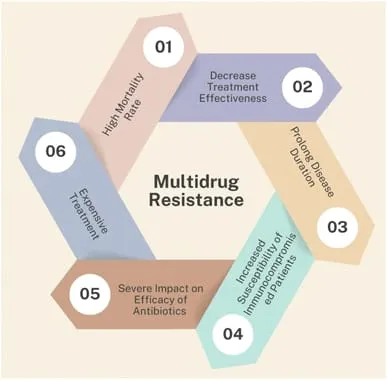
Fig.1 Risk factors associated with multidrug resistance
This study explores the potential of nanoparticles in overcoming antibiotic resistance by targeting resistant pathogens and improving drug effectiveness, while also addressing challenges like toxicity, scalability, and regulatory issues.
Mechanisms of Antibiotic Resistance bacteria
Antibiotic resistance is a natural and long-standing phenomenon found in that live in various biological environments, such as forest soil, deep cave systems, and marine sediments (8). Although bacteria naturally develop resistance to antibiotics, human activities like excessive antibiotic use, improper prescriptions, and widespread agricultural application have accelerated the development and spread of MDR bacteria, which are resistant to many important therapeutic drugs (9). The WHO has recently released a list of 12 MDR infections that are currently the biggest threat to human health, and new treatments are urgently needed (10). Bacteria develop resistance through several mechanisms, including efflux pump activity biofilm formation, enzyme production, destruction of antibiotics, modification of antibiotics, alteration of target sites, protection of target sites, and reduced permeability of the cell membrane (11).
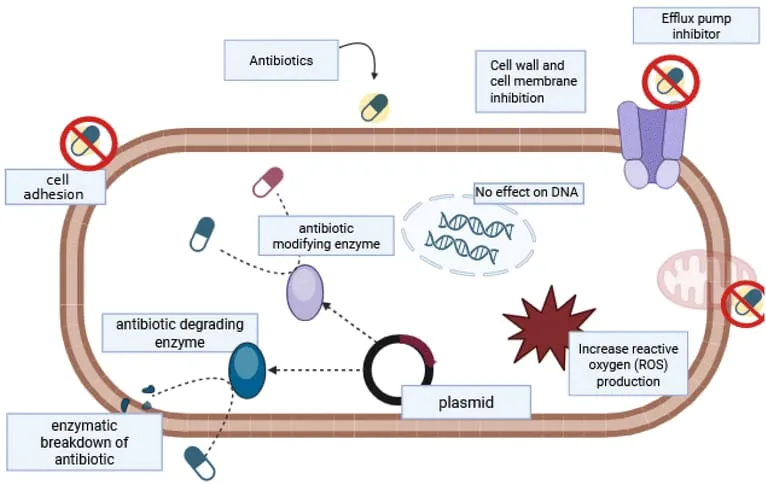
Fig 2 Various mechanism of antibiotic resistance
These mechanisms are briefly discussed below.
Antibiotic Resistance Mechanisms
1.Efflux Pump Mechanism
- Efflux pump genes are encoded in the bacterial chromosomes.
- Some are constitutive, while others are inducible.
- They are in the cytoplasmic membrane and use energy to expel antibiotics from the cell.
- Example: The tetracycline efflux pump in E. coli.
- These pumps can remove multiple drugs, contributing to multidrug resistance.
2. Biofilm Formation
- Biofilms are communities of microbes enclosed in an extracellular matrix produced by bacteria.
- The structure of biofilms prevents antibiotics from entering bacterial cells.
- Nutrient and oxygen gradients affect metabolism, leading to increased tolerance.
- Examples: Staphylococcus aureus associated with medical devices and Pseudomonas aeruginosa in lung infections.
3. Enzymatic Degradation
-Bacteria produce enzymes that inactive antibiotics.
-Examples; Beta-lactamase enzymes break down beta lactam antibiotics.
-Other enzymes include adenyl transferase, phosphotransferase, and acetyl transferase.
-Ebsls(Extended spectrum beta lactamase) breakdown extended spectrum antibiotics (12,13,14).
Types of Nanoparticles Used In Multidrug Resistance
1. Silver Nanoparticles (Ag-NPs)
Silver nanoparticles are metallic nanoparticles with minimal cytotoxicity and strong antimicrobial properties against both Gram-positive and Gram-negative bacteria, including multidrug-resistant strains. Their small size (1–10 nm) and high surface area allow them to enter bacterial cells, disrupt membranes, interfere with protein synthesis, and generate reactive oxygen species (ROS).Silver nanoparticles also inhibit biofilm formation, such as in Staphylococcus aureus, and have been effective against several pathogens like Escherichia coli, Salmonella typhi, Klebsiella pneumoniae, and Pseudomonas aeruginosa.Ag-NPs can be synthesized via biological methods and offer a promising approach a treating resistant infections.
2. Gold Nanoparticles (Au-NPs)
Gold nanoparticles exhibit moderate antibacterial activity against Gram-positive and Gram-negative bacteria. They work by blocking transcription, creating cell wall pores, and binding to DNA. Their antibacterial effects are enhanced when synthesis the size is below 2 nm and when synthesized with compounds like polyvinylpyrrolidone or ascorbic acid, which modify surface charge and bacterial interactions. Gold nanoparticles disrupt protein by inhibiting tRNA binding to ribosomes, alter transmembrane potential, suppress ATPase activity, and interfere with the electron transport chain. They are effective against various microbes, including Streptococcus Bovis, Staphylococcus epidermidis, Enterococcus aerogenes, Escherichia coli, and Pseudomonas aeruginosa. Gold nanoparticles can also complement vaccines, antibodies, and antibiotics.
3. Copper Nanoparticles
copper nanoparticles are efficient in killing bacteria, reducing the growth of multidrug-resistant biofilms, and functioning as antimicrobial coatings. Copper oxide nanoparticles release metallic ions that generate reactive oxygen species (ROS) and damage DNA. When copper nanoparticles enter bacterial cells, they affect metabolic activities such as active transport and metabolism. Copper nanoparticles can prevent biofilm formation and inhibit ATP production by interacting with bacterial cells. The combination of Cuo2 nanoparticles with aminoglycoside antibiotics has shown significant synergistic antibacterial action against Escherichia coli. Copper ions are effective against variety of bacteria, including Escherichia coli, Clostridium jejune, Salmonella enterica, Listeria monocytogenes, Staphylococcus aureus, and Bacillus subtilis.
4. Iron Nanoparticles (Fe-NPs)
Iron nanoparticles are another family of antimicrobial compounds. Studies suggest that changing the surface properties enhances their antibacterial qualities, eliminating biofilms of both Gram-positive and Gram-negative bacteria. These nanoparticles have been shown to serve as cost-effective alternatives in medical solutions, antibacterial coatings, and other applications aimed at limiting Microbial growth of eradication (15).
5. Carbon-Based Nanoparticles
Carbon-based nanoparticles, including graphene oxide (GO) and carbon nanotubes (CNTs), are another category of nanomaterials known for their strong antimicrobial properties. Graphene oxide, a form of graphene, has become popular due to its large surface area, strong mechanical strength, and ability to interact with bacterial membranes. GO nanoparticles can attach to the surfaces of microorganisms, disrupting the membranes and causing the leakage of internal contents. Additionally, the sharp edges of GO sheets can physically damage bacterial membranes, leading to cell death. Carbon nanotubes, which have a cylindrical shape, can also interact with microbial cells by either inserting into the cell membrane or aiding in the transport of antimicrobial agents across the cell wall. Both GO and CNTs show broad-spectrum antimicrobial activity against various bacteria, fungi, and viruses. Moreover, carbon-based nanoparticles can be modified with different antimicrobial agents or drugs to improve their effectiveness. These materials are biocompatible and have low toxicity to mammalian cells, making them promising options for antimicrobial treatments. However, challenges such as difficulties in their synthesis, maintaining stability, and potential environmental effects must be solved before they can be widely used (16,17).
6. Polymeric and Hybrid Nanoparticles
Polymeric and hybrid nanoparticles are flexible nanomaterials that can be designed to combine the benefits of multiple materials, such as metals, polymers, and ceramics. These nanoparticles can be engineered for targeted drug delivery and controlled release, which improves the effectiveness of treatments for infections. Biodegradable polymers like poly (lactic-co-glycolic acid) (PLGA)and chitosan are often used as structures for nanoparticle creation because they are biocompatible and capable of holding antimicrobial agents. Hybrid nanoparticles, which combine metal nanoparticles with polymeric or carbon-based materials, provide better stability, controlled release, and combined antimicrobial effects. For example, silver nanoparticles can be placed within a polymeric structure, allowing for a steady release over time and lowering the risk of bacterial resistance. These hybrid systems can also be designed with targeting molecules, enabling them to specifically target certain pathogens and improve treatment results. Furthermore, polymeric nanoparticles can increase the solubility and absorption of antibiotics that do not dissolve well in water, thereby expanding the types of antimicrobial agents that can be used effectively. The ability to customize these nanoparticles for uses shows great potential in the development of advanced antimicrobial therapies (18).
Mechanism of action of nanoparticles
For nanoparticles to exhibit antibacterial properties, they must encounter bacterial cells. Various types of interactions, such as hydrophobic interactions, electrostatic attraction, receptor–Ligand interactions, and van der Waals forces, are known ways in which nanoparticles contact bacteria. The nanoparticles then enter the bacterial cell.
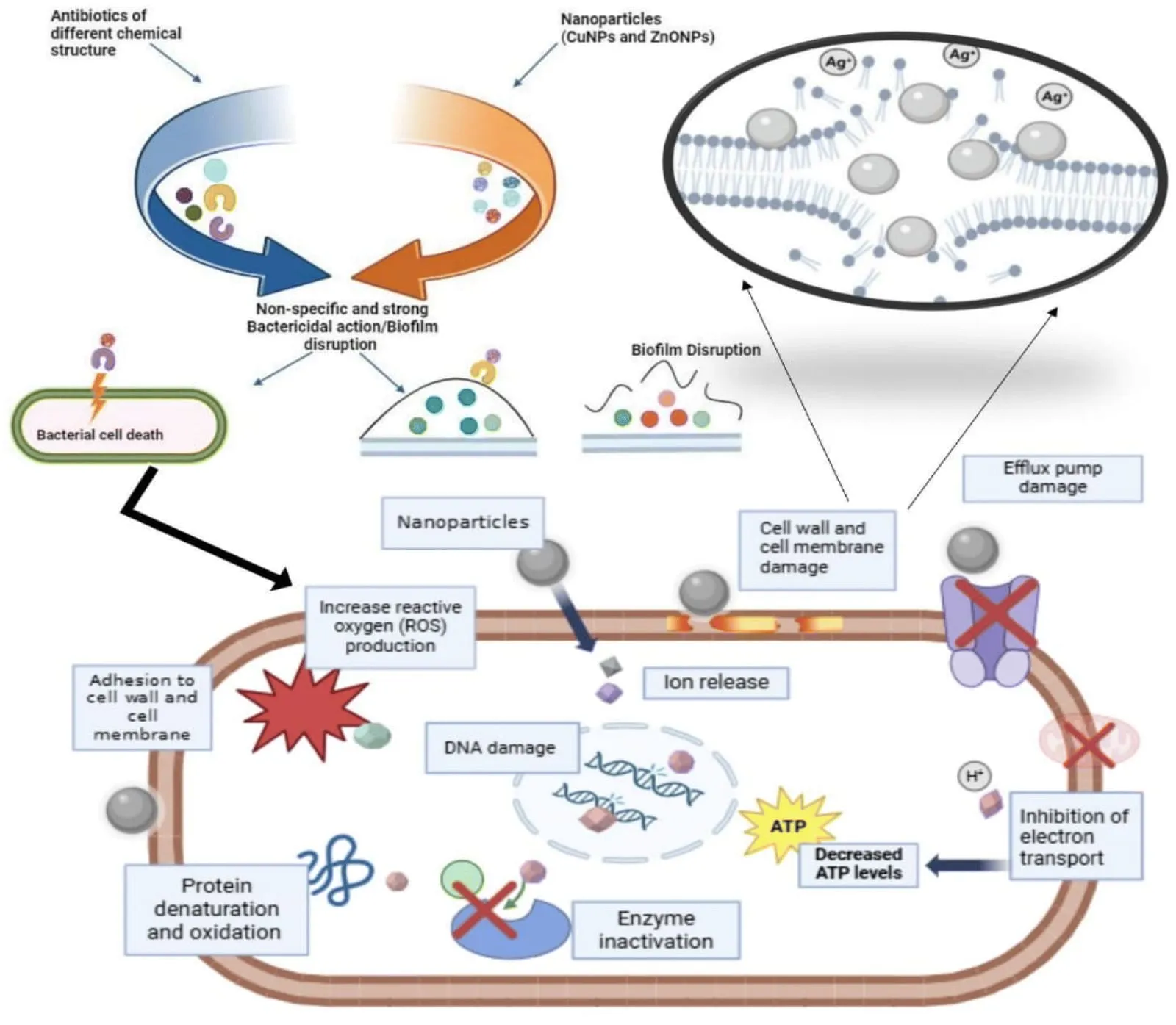
Fig. 3 primary modes of action of Nanoparticles
The following different modes of action in nanoparticles against antibiotic resistance. The membrane collects within the metabolic pathway, causing changes in the structure and function of the cell membrane. Afterward nanoparticles interact with key components of the bacterial cell, such as enzymes DNA, ribosomes and lysosomes. This interaction leads to oxidative stress, varied cellular changes, altered membrane permeability, enzyme inhibition, electrolyte imbalances, changes in gene expression and protein inactivation. Recent studies suggest that oxidative stress, release of dissolved metal ions and non-oxidative mechanisms are the most proposed ways these effects occur (19,20,21).
Steps involved in the mechanism of action of nanoparticles
Generation of reactive oxygen species (ROS)
Nanoparticles can interfere with the usual metabolic processes of harmful agents by inducing oxidative stress, which is caused by reactive oxygen species (ROS). The negative impacts of this process are due to the presence of these reactive species. Nanoparticles are linked to the creation of reactive oxygen species, such as hydroxyl radicals, superoxide anions, and hydrogen peroxide. These reactive oxygen species (ROS) interfere with DNA replication and protein production and harm cell membranes through a process called lipid peroxidation. This can change the membrane's ability to keep things in and out and stop the process of oxidative phosphorylation. The amount of ROS produced depends on the chemical makeup of the nanoparticles.
Disruption of cell membranes
The ability of nanoparticles to affect bacteria involves direct contact with the outer wall of the bacterial cell, such as silver nanoparticles (Ag NPs) or zinc oxide nanoparticles (ZnO). These nanoparticles can pass through the cell wall, leading to changes in the cell membrane structure. This results in a loss of membrane stability, structural damage, and eventually cell death. For instance, silver nanoparticles can gather on the cell surface and create small pores in the cell wall, allowing them to enter the cell and interact with key molecules and structures like DNA and enzymes. On the other hand, titanium dioxide (TiO2) acts in a bactericidal way by causing photocatalytic reactions on the cell membrane. It has been claimed that silver nanoparticles can break down the membrane of Pseudomonas aeruginosa. When nanoparticles stick to the bacterial membrane, they create holes that allow them to move into the cell and interact with important components and organelles such as DNA and enzymes.
Destruction of biofilm
Binding to the surfaces of cells leads to the formation of biofilms. However, when cells are treated with nanoparticles, they are unable to stick together and form these communities. This is especially important when dealing with harmful bacteria that form biofilms. Because of their high surface area-to-volume ratio, nanoparticles can interact more effectively with the components of biofilms. This larger surface area allows for better contact with microbial cells. Nanoparticles can damage microbial cells by entering the biofilm matrix. Due to their small size, they can more easily pass through the extracellular polymeric substances (EPS) that surround biofilm cells and reach the embedded microbial cells. Many methods to stop biofilm formation include targeting and disrupting quorum-sensing molecules. Zinc oxide nanoparticles (ZnO-NPs) destroy biofilms by releasing zinc ions (Zn+). Nanomaterials can damage bacterial membranes and stop the formation of biofilms, which reduces the ability of microorganisms to survive, as shown by many studies.
Nanoparticles as efflux pump inhibitors
It has recently been found that metal nanoparticles may be able to block bacterial efflux pumps. Nanoparticles attach directly to the pumps on the cell membrane, preventing drugs from being removed. Metal nanoparticles may function as competitive inhibitors of antibiotics by blocking the binding sites of these pumps. Another possible way is through the disruption of efflux pump function. For example, the effect of silver nanoparticles on the efflux function of multidrug-resistant (MDR) efflux pumps has been studied in Pseudomonas aeruginosa.
FUTURE DIRECTIONS AND INNOVATIONS
The future of nanoparticles as antimicrobial agents presents promising opportunities, especially with progressing nanotechnology. Scientists are working on creating multifunctional nanoparticles that can effectively fight infections while also reducing harmful side effects. This strategy aims to improve the effectiveness of treatment while targeting the right areas. One promising path is combining nanoparticles with other antimicrobial methods, such as antimicrobial peptides or enzymes, to develop hybrid materials that work together more efficiently. Another area of interest is developing smart nanoparticles that respond to changes in their environment, such as pH or temperature, allowing for controlled release of antimicrobial agents when needed. Additionally, the use of green methods for creating nanoparticles is becoming more popular because these methods are eco-friendly, economical, and less harmful compared to traditional techniques. The development of nanocarriers for precise drug delivery, especially to infected areas like biofilms or tissues the antibiotics struggle to reach, is also an important innovation. By focusing on safer, more sustainable, and more effective nanoparticle formulations, researchers are addressing the challenges currently limiting nanoparticle based antimicrobial treatments. Due to their capability to stop bacterial growth, nanocomposites have proven to be effective against bacteria, fungi, viruses, and parasites in the fight antibiotic resistance. Therefore, metal nanoparticles can serve as a carrier for antibiotics, helping to reduce the against amount needed, lower toxicity, and decrease the likelihood of resistance developing (22,23).
Applications of Nanoparticles in Combating MDR Pathogens
• Nanoparticles are being increasingly studied for their potential in treating infections caused by multidrug resistant (MDR) pathogens.
• They provide a new way to fight bacterial, fungal, and viral infections that are not responding to regular antibiotics.
• For instance, silver nanoparticles (Ag NPs) have been found to be highly effective against a variety of MDR bacteria, including Staphylococcus aureus, Escherichia coli, and Pseudomonas aeruginosa.
• Ag NPs damage bacterial cell membranes, cause oxidative stress, and can enter biofilms, making them effective against resistant strains.
• Also, nanoparticles can be used alongside existing antibiotics in combination therapies to enhance their effectiveness.
• This method has been shown to bring back the effectiveness of antibiotics in resistant strains, offering an alternative to creating entirely new antibiotics.
• In the case of fungal infections, nanoparticles such as ZnO and Ti O₂ have demonstrated antifungal properties against pathogens like Candida albicans and Aspergillus species.
• Additionally, nanoparticles can be designed to deliver antimicrobial substances directly to the area where an infection is present.
• This approach helps improve the effectiveness of treatment while reducing harmful side effects.
• Preclinical and clinical research is increasingly showing that nanoparticles can be useful as supportive treatments for multidrug-resistant infections, particularly in managing long-term, hospital-acquired, and biofilm-related infections (24).
CONCLUSION
Conclusion Antibiotic resistance has turned into a significant threat to global health, making many traditional antibiotics less effective and increasing the risk of infections that are resistant to multiple drugs. Nanoparticles present a hopeful solution to these issues because of their special physical and chemical characteristics, ability to deliver drugs directly to the target area, controlled release of medicine, and built-in antimicrobial effects. Various types of nanoparticles, such as metallic, carbon-based, polymer-based, and mixed nanoparticles, work in different ways, including producing harmful substances that damage bacteria, breaking down bacterial cell walls, stopping the formation of bacterial films, and preventing bacteria from expelling antibiotics. These features not only improve the effectiveness of antibiotics but also decrease the chances of resistance developing. Despite ongoing challenges like potential toxicity, difficulties in mass production, and the need for regulatory approval, ongoing research and real-world testing could lead to nanoparticle-based treatments becoming a reliable and safer choice for fighting resistant infections in the future.
ACKNOWLEDGMENT
I would like to thank my guide and faculty for their support in completing this article. I also thank my institution, family, and friends for their encouragement.
REFERENCES


Kowsalya K.*, Karthi J., Swarnalatha S., Ranjitha P., Nanoparticles for Improving Antibiotic Delivery Against Resistant Bacteria, Int. J. Med. Pharm. Sci., 2026, 2 (7), 994-1001. https://doi.org/10.5281/zenodo.21493559
 10.5281/zenodo.21493559