

We use cookies to ensure our website works properly and to personalise your experience. Cookies policy
Krishna School of Pharmacy and Research, Drs. Kiran and Pallavi Patel Global University (KPGU), Vadodara, India
Plant-derived exosome-like nanoparticles (PDENs) are increasingly being explored as natural nanocarriers in phytopharmaceutical and nanomedicine research. These nanosized vesicles, generally measuring about 30–200 nm, can contain diverse bioactive cargo such as microRNAs, lipids, proteins, and secondary metabolites, which contribute to their multiple therapeutic effects. Medicinal plants including Curcuma longa, Vitis vinifera, Zingiber officinale, and Citrus limon have been reported to produce PDENs with antioxidant, anti-inflammatory, and other pharmacological activities. Their biocompatibility, stability, and relatively low immunogenicity make them attractive candidates for targeted delivery, particularly in gastrointestinal and inflammatory conditions. This review summarizes the major plant sources, molecular cargo, biological functions, and therapeutic applications of PDENs and highlights their potential contribution to herbal nanomedicine and future phytopharmaceutical delivery systems.
Medicinal plants have been used in traditional healthcare systems for centuries; however, many plant-derived bioactive constituents have pharmaceutical drawbacks, including limited aqueous solubility, poor membrane permeability, rapid degradation, and variable therapeutic performance¹. The integration of nanotechnology with herbal drug delivery has been explored to overcome these limitations by improving the stability, absorption, and site-specific delivery of phytoconstituents ¹. Another important challenge in herbal drug development is variation in chemical composition resulting from geographical conditions, cultivation methods, harvesting periods, and processing practices. Such variation can influence both the safety and efficacy of herbal products². Consequently, systematic standardization, quality control, and modern analytical techniques are required to improve reproducibility and support wider acceptance of herbal formulations². Nanoscale drug-delivery technologies have transformed therapeutic approaches, particularly for chronic and malignant diseases, by supporting controlled drug release, improved distribution, and reduced exposure of non-target tissues³. Lipid-based systems, polymeric nanoparticles, and vesicular carriers can improve pharmacokinetic behavior and promote the accumulation and uptake of therapeutic agents at desired sites³. Within this broader development, phytopharmaceutical nanotechnology combines plant-derived active compounds with nanoscale delivery systems to address problems associated with poor stability, low solubility, and biological barriers ⁴. Such formulations can increase the apparent solubility of plant constituents, protect sensitive phytochemicals against chemical and enzymatic degradation, and thereby improve their overall therapeutic performance.
Extracellular vehicles (EVs) are nanoscale membrane-bound structures released by cells into the surrounding extracellular environment and are involved in communication between cells. Rather than being accidental cellular debris, EVs are actively produced and enclosed by a phospholipid bilayer that protects their molecular contents and supports cargo transfer between cells. Their cargo may include proteins, lipids, DNA fragments, messenger RNA, and microRNAs, allowing them to influence cellular functions in normal as well as pathological conditions. According to the MISEV2018 framework, EVs are naturally released, membrane-enclosed particles of cellular origin that lack the ability to replicate independently. EV production occurs across diverse biological systems, including animals, plants, fungi, and bacteria, demonstrating their broad biological significance.
Exosomes are a distinct group of extracellular vesicles generated through the endosomal pathway ⁶. They develop through inward budding within multivesicular bodies (MVBs), which subsequently fuse with the plasma membrane and release the vesicles into the extracellular space ⁸. Exosomes commonly fall within a size range of approximately 30–150 nm and contain selectively packaged molecules reflecting their cell of origin ⁷. Through this cargo, they participate in intercellular signalling in both physiological and disease-related conditions ⁶.
Extracellular vesicles can be grouped according to differences in size, biogenesis, and the mechanism by which they are released ⁷.
A) Exosomes
B) Macrovesicles (Ectosomes)
C) Apoptotic Bodies
Extracellular vesicles contain numerous membrane-associated proteins. In mammalian exosomes, tetraspanins such as CD9, CD63, and CD81 are commonly used as characteristic markers ⁷. Their internal cargo may include enzymes, signalling proteins, and nucleic acids, supporting their functional diversity and biological compatibility ¹⁵. Vesicle-like nanoparticles obtained from medicinal plants have also been associated with pharmacological effects such as anti-inflammatory, antioxidant, antimicrobial, and anticancer activities, making them relevant to herbal nanomedicine ²¹. Among the plant sources investigated, Curcuma longa, Vitis vinifera, Zingiber officinale, and Citrus limon are notable because of their phytochemical richness and therapeutic importance ¹⁷.
Sources of Plant-Derived Exosome-Like Nanoparticles
Curcuma longa (Turmeric)
Curcuma longa is a widely used medicinal plant whose traditional applications are strongly associated with anti-inflammatory and antioxidant effects, particularly those attributed to curcumin ¹¹. Studies have identified exosome-like nanoparticles in turmeric that can transport bioactive constituents and influence inflammatory responses ¹¹. These vesicles have been associated with suppression of inflammatory signalling pathways and may therefore provide protective effects in inflammatory conditions.Turmeric-derived nanoparticles have also demonstrated colon-targeting properties, increasing their relevance for gastrointestinal applications ¹². Their lipid-bilayer structure may support the stability and intestinal delivery of curcumin and other phytochemicals ¹². In addition, curcumin has been reported to occur within natural turmeric-derived vesicle structures, potentially improving its solubility and bioavailability compared with the free compound¹³. These vesicles can consequently serve as natural nanocarriers that enhance delivery while potentially reducing systemic toxicity¹³.
Vitis vinifera (Grape)
Vitis vinifera is an important botanical source of exosome-like nanoparticles with reported antioxidant and therapeutic properties ¹⁴. Grape-derived vesicles contain polyphenols, flavonoids, and other antioxidant constituents that may contribute to their biological activity ¹⁴. Experimental studies have shown that these nanoparticles can support intestinal stem-cell proliferation and tissue regeneration within the gastrointestinal tract ¹⁴. They may also contain plant microRNAs capable of participating in cross-kingdom communication and influencing gene expression in mammalian cells ¹⁵. Through these interactions, plant vesicles may affect gut microbial populations and contribute to intestinal homeostasis ¹⁵. Plant nanovesicles obtained from grape and citrus sources have additionally been investigated as natural carriers for therapeutic agents in cancer research, with reported accumulation in tumour tissues suggesting possible use in targeted anticancer delivery ¹⁶.
Zingiber officinale (Ginger)
Zingiber officinale has attracted considerable interest as a source of bioactive nanoparticles because of its recognized antioxidant and anti-inflammatory properties ¹⁷. Vesicles derived from ginger contain bioactive lipids and RNA molecules that may contribute to their therapeutic effects ¹⁷. These nanoparticles can interact with intestinal epithelial and immune cells and may regulate inflammatory processes within the gastrointestinal tract ¹⁸. Experimental findings indicate that ginger-derived exosome-like nanoparticles can decrease oxidative stress and reduce the production of inflammatory cytokines ¹⁸. In experimental models of inflammatory bowel disease, they have also been associated with reduced intestinal inflammation and improved mucosal repair ¹⁹. Their plant origin and reported biocompatibility make ginger-derived nanoparticles promising candidates for oral delivery approaches directed toward gastrointestinal disorders ¹⁹.
Citrus limon (Lemon)
Citrus limon has emerged as a potential source of plant-derived nanovesicles with applications in nanomedicine ²⁰. Lemon-derived extracellular vesicles contain bioactive constituents such as flavonoids, proteins, and lipids that may contribute to their biological effects ²⁰. Research has reported inhibition of tumour-cell proliferation and induction of apoptosis in selected cancer cell lines following treatment with these nanovesicles ²⁰. Citrus-derived vesicles have also demonstrated antimicrobial and anti-inflammatory activities ²¹. Their ability to enclose and transport therapeutic molecules further supports their potential as natural delivery vehicles ²¹. Therefore, citrus-derived nanoparticles may provide a useful natural platform for the development of innovative nanomedicine strategies ²¹.
Isolation and Characterization
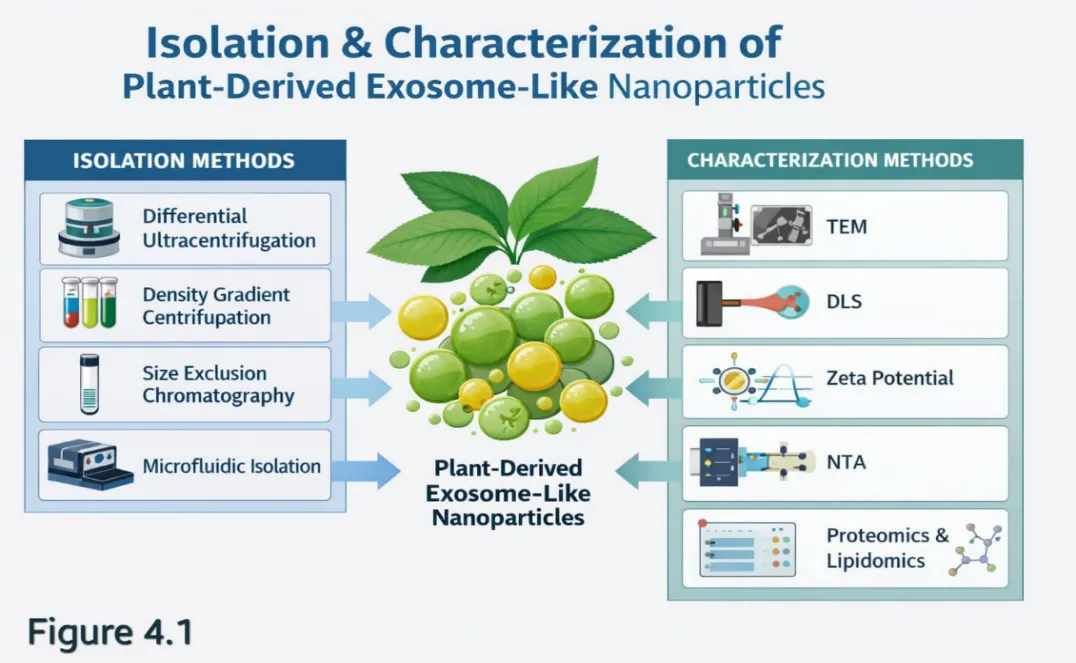
Figure 1. Schematic representation of isolation and characterization methods for plant-derived exosome-like nanoparticles.
Efficient isolation and characterization of exosome-like nanoparticles are necessary to obtain preparations with appropriate purity, structural integrity, and biological functionality. Differential ultracentrifugation is among the commonly used approaches and involves successive centrifugation steps to remove cells, debris, and larger vesicles before high-speed centrifugation collects nanosized vesicles ²². The method relies on differences in sedimentation behavior under high centrifugal force ²². Density-gradient centrifugation can further improve purity by separating vesicles according to buoyant density in sucrose or iodixanol gradients ²². Size-exclusion chromatography (SEC) provides a comparatively gentle method in which vesicles are separated according to size through a porous stationary phase, helping to limit structural damage and protein contamination while maintaining biological activity ²³. Microfluidic systems have also been developed for rapid vesicle isolation based on parameters such as size, immunoaffinity, and hydrodynamic behavior; these platforms can require small sample volumes and offer high specificity ²⁴. For characterization, Transmission Electron Microscopy (TEM) can be used to examine vesicle morphology and dimensions, including the characteristic spherical or cup-like appearance ²⁵. Dynamic Light Scattering (DLS) determines particle-size distribution and hydrodynamic diameter, whereas zeta-potential measurements provide information about surface charge and can help assess stability and membrane interactions ²⁵. Nanoparticle Tracking Analysis (NTA) measures vesicle size distribution and concentration by following the Brownian movement of individual particles in suspension ²⁶. In addition, omics-based techniques such as proteomics and lipidomics can provide detailed profiles of vesicular proteins, lipids, and other bioactive components, supporting investigation of their biological functions ²⁶.
Phytochemical and Molecular Cargo
PDENs contain a broad molecular payload that can include nucleic acids, lipids, proteins, and phytochemicals, all of which may contribute to their biological and therapeutic properties ³⁰. Because these vesicles can transport biologically active molecules between cells and potentially across species, they have been considered relevant to intercellular and cross-kingdom communication ²⁷. The combination of these molecular components can improve cargo stability and influence physiological or pathological processes in recipient cells ³⁰.
miRNAs
MicroRNAs (miRNAs) are short, non-coding RNA molecules that regulate gene expression after transcription and may be enclosed within extracellular vesicles ²⁷. When selectively packaged into exosome-like vesicles, they can be transferred to recipient cells and influence signalling pathways and cellular functions ²⁷. Plant miRNAs associated with vesicles have been detected in human serum, suggesting the possibility of cross-kingdom interactions following dietary exposure to plant materials ²⁸. Such miRNAs may interact with mammalian gene-regulatory networks and could influence inflammatory, metabolic, and immune responses ²⁸.
Lipids
Lipids form a major structural component of plant-derived vesicles and are important for maintaining membrane integrity and vesicle function ²⁹. Plant vesicles may contain phosphatidic acid, glycolipids, phospholipids, and other lipid species that contribute to membrane stability and interactions with recipient cells ²⁹. The lipid composition of PDENs can also affect their ability to interact or fuse with recipient-cell membranes, thereby influencing the transfer of molecular cargo ²⁹.
Proteins
Proteins are another major class of molecules present in plant-derived extracellular vesicles and participate in processes such as vesicle formation, transport, and cellular signalling ³⁰. Proteomic investigations have identified enzymes, transport-related proteins, and stress-associated proteins within plant vesicles, contributing to their biological functions ³⁰. These proteins may additionally be involved in plant defence mechanisms and communication between plant cells and other organisms ³⁰.
Secondary Metabolites and Bioactive Phytoconstituents
Along with nucleic acids, lipids, and proteins, plant-derived vesicles can carry secondary metabolites and other bioactive phytoconstituents that may contribute to their pharmacological effects ³⁰. Examples include flavonoids, phenolic compounds, and other plant-derived molecules associated with antioxidant, anti-inflammatory, and antimicrobial activities ³⁰. Encapsulation within vesicles can protect these compounds from degradation and may improve their stability and bioavailability, supporting their therapeutic potential ²⁷.
Mechanism of Cellular Uptake
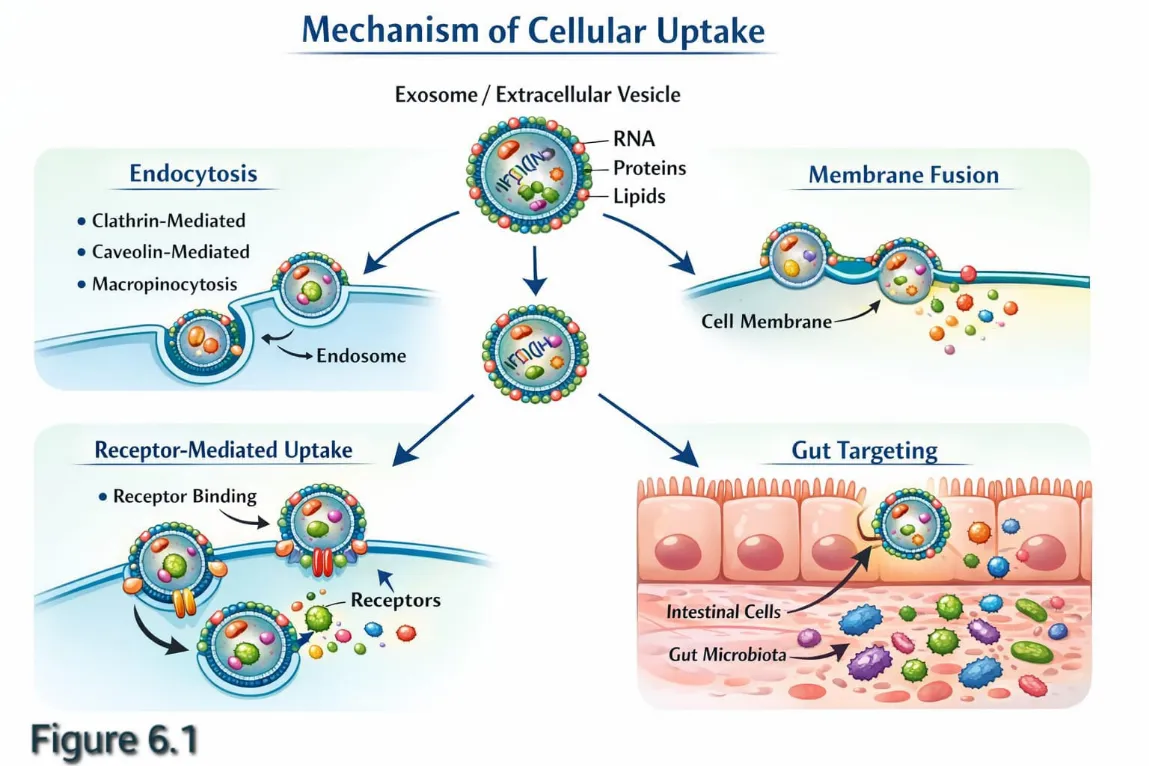
Figure 2. Schematic representation of the mechanisms of cellular uptake of exosomes/extracellular vesicles.
Exosome and extracellular-vesicle uptake by recipient cells can occur through several biological routes, allowing the transfer of vesicular cargo into the target cell ³¹. The uptake process is influenced by factors such as vesicle size, lipid composition, surface proteins, and the physiological state of the recipient cell ³². Through these pathways, extracellular vesicles interact with cell membranes and deliver bioactive molecules capable of affecting intracellular signalling and metabolic processes ³¹.
Endocytosis is one of the major routes through which cells internalize exosomes and other extracellular vesicles ³¹. The vesicles are enclosed by the plasma membrane and subsequently transported into intracellular compartments, including endosomes ³². Uptake may involve several mechanisms, such as clathrin-dependent endocytosis, caveolin-mediated endocytosis, macropinocytosis, and phagocytosis ³¹. These pathways allow vesicular cargo to reach the intracellular environment, where it can influence gene expression and cellular functions ³².
Vesicles may also enter recipient cells through direct fusion of their membrane with the plasma membrane ³¹. Such fusion can release vesicular contents directly into the cytoplasm without requiring conventional endocytic trafficking through vesicles or endosomes ³². The extent of membrane fusion depends largely on the lipid composition and membrane-associated proteins of both the vesicle and the recipient cell ³¹.
Another uptake mechanism involves interactions between ligands on the surface of extracellular vesicles and compatible receptors on recipient-cell membranes ³¹. Receptor–ligand binding can promote selective attachment followed by internalization, thereby contributing to delivery specificity ³². Through receptor-dependent uptake, vesicles may preferentially interact with particular cell populations and transfer proteins, lipids, and nucleic acids that influence cellular signalling ³¹.
Plant-derived extracellular vesicles show a notable tendency to interact with the gastrointestinal system ³³. They can remain relatively stable under digestive conditions and may be taken up by intestinal epithelial cells and components of the gut microbiota ³³. This gastrointestinal preference supports the delivery of bioactive compounds that can influence intestinal inflammation, microbial composition, and mucosal immune responses ³³. Consequently, plant-derived vesicles are being investigated as natural nanocarriers for oral and gastrointestinal-targeted therapies ³³.
Therapeutic Applications of Plant-Derived Exosome-Like Nanoparticles (PDENs)
Cancer Therapy
PDENs are being investigated as natural nanocarriers for cancer therapy because of their biological origin, relatively low cytotoxicity, and ability to transport bioactive molecules toward tumour tissues ³⁴. In colorectal cancer models, PDENs have shown potential to limit tumour progression by delivering phytochemicals and regulatory RNAs that affect oncogenic signalling pathways ³⁵. They may also influence components of the tumour microenvironment, which could contribute to improved therapeutic responses ³⁵. In breast cancer research, exosome-based delivery systems have been explored for selective interaction with malignant cells and for improving the action of conventional anticancer drugs³⁶. Plant-derived vesicles may additionally help address multidrug resistance by modifying relevant signalling pathways and enhancing intracellular drug delivery ³⁴.
Anti-inflammatory Disorders
Plant-derived extracellular vesicles (PDEVs) have demonstrated anti-inflammatory effects that may be associated with their lipid, protein, and microRNA content ³⁸. In experimental inflammatory bowel disease models, plant nanoparticles have been reported to reduce intestinal inflammation and support mucosal repair through interactions with intestinal epithelial cells and inflammatory signalling pathways ³⁷. PDEVs have also been investigated for arthritis, where they may reduce pro-inflammatory mediators and associated joint inflammation ³⁸. In gastritis, vesicle-associated phytochemicals may help reduce gastric inflammation and support restoration of tissue homeostasis ³⁸.
Antimicrobial Applications
Plant-derived extracellular vesicles (PDEVs) possess reported antimicrobial activity and can serve as natural carriers for plant bioactive compounds with activity against pathogenic microorganisms ³⁹. They may also influence the composition of the gut microbiota by supporting microbial populations associated with intestinal homeostasis ³⁹. In addition, PDEVs can be investigated as delivery vehicles for plant-derived antimicrobial agents, potentially improving localization at sites of infection and therapeutic performance ³⁹.
Neurological Disorders
Plant-derived exosome-like nanoparticles are being explored for delivery of therapeutic agents to the central nervous system because their nanoscale dimensions and biological compatibility may support transport across physiological barriers ⁴⁰. Their ability to interact with or cross biological barriers makes them potential carriers for pharmacological substances intended for neurological applications ⁴⁰. PDEVs may also have a role in controlling neuroinflammation by delivering anti-inflammatory molecules and regulatory RNAs to neural tissues ⁴¹.
Skin & Cosmeceutical Applications
Plant-derived extracellular vesicles (PDEVs) are receiving increasing interest in dermatology and cosmetic research because of their reported regenerative and cytoprotective effects ⁴². Their antioxidant and bioactive contents may help reduce oxidative stress associated with skin ageing ⁴². They have also been investigated for wound repair, where they may support tissue regeneration by promoting cell proliferation and collagen formation ⁴². In addition, PDEV-associated compounds may protect skin cells from ultraviolet-induced injury and contribute to photoprotection ⁴². Their possible influence on melanogenesis further suggests applications in pigmentation control and maintenance of skin homeostasis ⁴².
Role of PDENs in Herbal Drug Delivery
PDENs can act as naturally derived nanocarriers because their nanoscale size, lipid-bilayer architecture, and biological compatibility support the transport of therapeutic molecules ⁴³. Their plant origin, low reported cytotoxicity, and stability make them attractive candidates for delivery applications in herbal medicine ⁴³. PDENs can encapsulate phytoconstituents such as flavonoids, polyphenols, and other bioactive compounds within or around their lipid structures, helping protect these molecules from degradation and supporting their release at target sites ⁴³. Their use may improve the bioavailability of poorly soluble phytochemicals by facilitating cellular uptake and reducing enzymatic degradation, while the lipid membrane can contribute to stability in biological environments ⁴⁴. Because they can remain stable under gastrointestinal conditions, PDENs are also promising for oral delivery and interaction with intestinal cells, including trans-barrier transport of encapsulated herbal compounds ⁴⁴. Their reported accumulation in the colon further supports investigation as localized delivery vehicles for gastrointestinal disorders, where targeted phytochemical delivery may improve therapeutic effects and reduce systemic exposure ⁴⁵.
Comparison with Synthetic Nanoparticles
PDENs are increasingly studied as naturally sourced drug-delivery systems because of their biological origin, compatibility with living systems, and ability to transport molecular cargo ⁴⁷. Synthetic nanoparticles, in comparison, are intentionally engineered carriers developed to improve drug stability, targeting, and controlled release ⁴⁶. A key benefit of PDENs is their biodegradability because they are composed of naturally occurring biological materials, including lipids, proteins, and nucleic acids, that can be processed by biological systems ⁴⁷. Synthetic nanoparticles may raise toxicity concerns depending on the polymers, metals, or chemical stabilizers used in their manufacture ⁴⁶. PDENs originate from biological cells and therefore have a naturally derived composition, whereas synthetic systems may use engineered polymers such as PLGA and PEG to provide encapsulation and controlled-release properties ⁴⁶. PDENs are also generally considered to have low immunogenicity because of their naturally occurring biomolecular components ⁴⁷, while certain synthetic nanoparticle surfaces may elicit immune responses ⁴⁶. From an economic perspective, plant sources may provide an abundant starting material for PDEN production, whereas synthetic nanoparticle manufacture can involve chemical synthesis, specialized equipment, and relatively expensive raw materials ⁴⁶.
Challenges and Limitations of PDENs
Despite their potential, plant-derived extracellular vesicles and exosome-like nanoparticles still present important challenges involving standardization, isolation procedures, characterization methods, and reproducibility between studies ⁴⁹. Differences in extraction, purification, and analytical protocols make it difficult to establish universally accepted standards for plant extracellular-vesicle research ⁴⁹.
Batch variability: Differences in plant species, cultivation conditions, and extraction procedures can produce substantial variation in vesicle composition and biological activity from one batch to another ⁴⁸.
Such batch-to-batch differences may affect the consistency and therapeutic performance of vesicle-based delivery systems ⁴⁸.
Regulatory concerns: Translation of extracellular-vesicle technologies into clinical use remains complicated by the absence of fully established regulatory frameworks for biologically derived nanocarriers ⁵⁰.
Regulatory bodies require clearly defined requirements for safety, quality control, and manufacturing before EV-based therapeutic products can be approved ⁵⁰.
Stability studies: Detailed stability investigations are needed to determine the shelf life, storage requirements, and long-term integrity of extracellular vesicles intended for therapeutic use ⁴⁸.
Such evaluations help confirm that vesicles retain their structure and biological activity throughout storage and transportation ⁴⁸.
Large-scale production difficulties: Commercial-scale production remains difficult because vesicle isolation can be technically complex and biological sources may provide limited yields ⁵⁰. For successful commercialization and clinical translation, scalable manufacturing methods that provide consistent and reproducible EV preparations are required ⁵⁰.
Clinical and Preclinical Studies and Regulatory Perspectives
Current preclinical studies: A number of preclinical investigations have shown that exosome-based delivery systems can transport therapeutic molecules and improve outcomes in different experimental disease models ⁵¹. Studies involving plant-derived nanoparticles have likewise reported encouraging results in laboratory and animal models, supporting their potential for drug delivery and disease management ⁵².
Clinical trial status: Although exosome-based systems have shown therapeutic promise, research involving plant-derived exosomes remains predominantly preclinical, with relatively few clinical studies reported to date ⁵². Early evidence nevertheless indicates possible future applications in targeted delivery and precision medicine ⁵¹.
Regulatory gaps: Limited and inconsistent regulatory guidance remains a major obstacle to the clinical development of extracellular-vesicle therapeutics, particularly regarding their manufacture, quality assessment, and intended clinical use ⁵². The complex biological composition of exosomes also makes it difficult for regulatory authorities to define uniform criteria for safety and therapeutic approval ⁵¹.
Need for pharmacopeial standards: Development of pharmacopeial standards and harmonized procedures for the isolation, characterization, and quality evaluation of plant-derived vesicles is important for their safe progression toward clinical use ⁵². Such standards could improve consistency and reproducibility and facilitate regulatory acceptance of exosome-based delivery systems in pharmaceutical applications ⁵¹.
FUTURE PERSPECTIVES
Genetic engineering of plant vesicles: Recent advances in biotechnology have opened possibilities for modifying plant-derived vesicles so that their therapeutic performance and ability to carry selected molecules can be improved ⁵³.
Genetic modification of plant cells may allow production of vesicles with tailored proteins, lipids, or nucleic acids designed to support more selective drug delivery and enhanced therapeutic activity ⁵³.
Targeted drug loading: Future work is directed toward refining methods for incorporating therapeutic compounds into plant-derived vesicles so that delivery can be more efficient and controllable ⁵³.
Such loading strategies may improve the preferential transport of phytochemicals or pharmaceutical agents to selected tissues or sites of disease ⁵³.
Personalized herbal nanomedicine: Plant-derived vesicles may contribute to personalized herbal nanomedicine by supporting therapeutic approaches tailored to individual biological requirements ⁵⁵.
Combining phytotherapy with nanotechnology could therefore support the development of customized herbal treatments with improved therapeutic outcomes ⁵⁵.
AI-based vesicle design: Artificial intelligence and computational modelling are emerging as useful approaches for optimizing nanocarrier design, including plant-derived vesicles intended for drug-delivery applications ⁵⁴.
AI-assisted systems may help predict vesicle composition, stability, and targeting behavior, potentially shortening the development process for advanced nanomedicine platforms ⁵⁴.
Role in precision phytotherapy: Plant-derived vesicles may become relevant to precision phytotherapy by enabling more targeted delivery of herbal bioactive compounds according to disease-specific requirements ⁵⁵.
The combined use of nanotechnology, biotechnology, and data-driven methods could further expand the therapeutic potential of plant-derived vesicles in modern medicine ⁵³,⁵⁴,⁵⁵.
CONCLUSION
Plant-derived exosome-like nanoparticles (PDENs) represent a promising platform in herbal nanomedicine because of their natural origin, biocompatibility, biodegradability, and relatively low immunogenicity. These vesicles can carry a range of molecular components, including proteins, lipids, nucleic acids, and phytoconstituents, supporting their use as nanoscale delivery vehicles. Potential applications include cancer management, anti-inflammatory therapy, antimicrobial treatment, neurological applications, and skin regeneration. In herbal drug delivery, PDENs may improve the stability and bioavailability of plant-derived compounds while supporting delivery to selected tissues. Compared with some synthetic nanoparticle systems, they may offer benefits related to biological compatibility, lower toxicity, and the availability of plant-based raw materials for production. However, several barriers remain, including inadequate standardization, batch-to-batch variation, regulatory uncertainty, and difficulties associated with large-scale manufacturing. Continued development in biotechnology, targeted cargo loading, artificial-intelligence-assisted design, and precision phytotherapy may help establish plant-derived vesicles as useful platforms for future drug-delivery and therapeutic applications.
ACKNOWLEDGEMENT
The authors have no specific acknowledgement to declare.
Conflict of Interest
The authors declare no conflict of interest.
REFERENCES

Bhoomi Patel*, Krish Panchal, Mimansa Oza, Anshiteshwar Rai, Rupa Singh, Plant-Derived Exosome-Like Nanoparticles (PDENs) in Herbal Medicine, Int. J. Med. Pharm. Sci., 2026, 2 (9), 166-176. https://doi.org/10.5281/zenodo.22461981
 10.5281/zenodo.22461981