View Article

Abstract

A series of Schiff bases derived from 4-aminoantipyrine and various substituted aldehydes were synthesized by an eco-friendly green route method using water as the reaction medium. Six compounds, coded SB1-SB6, were prepared from benzaldehyde, 4-bromobenzaldehyde, 4-chlorobenzaldehyde, 4-hydroxybenzaldehyde, furfural, and cinnamaldehyde. The synthesized compounds were evaluated for physical properties including percentage yield and melting point, and selected compounds were characterized by FTIR spectroscopy. In silico molecular docking was carried out against the cyclooxygenase-2 (COX-2) receptor using the PDB structure 1CX2 to estimate possible anti-inflammatory potential. The docking scores ranged from -6.5 to -7.0 kcal/mol, with SB4 showing the best binding affinity. In vitro anti-inflammatory activity was assessed by the protein denaturation assay using egg albumin, with ibuprofen as the reference standard. Among the tested compounds, SB4 exhibited the highest inhibition of protein denaturation, followed by SB5 and SB2, indicating promising anti-inflammatory activity. The study suggests that Schiff bases synthesized by a green method, especially the 4-hydroxybenzaldehyde derivative, may serve as useful lead compounds for further pharmacological investigation.

Keywords

Schiff base, 4-aminoantipyrine, green synthesis, molecular docking, anti-inflammatory activity, protein denaturation, COX-2.

Introduction

× Popup Image

Schiff bases are an important class of organic compounds containing the azomethine group C=N\mathrm{C=N}C=N, usually formed by condensation of a primary amine with an aldehyde or ketone. These compounds have attracted considerable attention due to their broad range of biological activities, including antibacterial, antifungal, anticancer, antioxidant, and anti-inflammatory effects. In medicinal chemistry, Schiff bases and their metal complexes are widely studied because structural modification around the imine linkage can significantly influence biological performance. 4-Aminoantipyrine is a biologically relevant amine frequently employed in the synthesis of pharmacologically active Schiff bases. Its derivatives have shown value in drug design because the antipyrine nucleus contributes favorable physicochemical and biological properties. Condensation of 4-aminoantipyrine with substituted aldehydes offers an efficient route to structurally diverse Schiff bases with potential therapeutic relevance. In recent years, green chemistry approaches have become increasingly important in synthetic organic chemistry. The use of water as a solvent, avoidance of toxic reagents, shorter reaction times, and simplified work-up procedures make green synthesis attractive from environmental and economic perspectives. Preparation of Schiff bases under aqueous reflux conditions is therefore a useful alternative to conventional solvent-intensive methods. Inflammation is a protective biological response to tissue injury, infection, or chemical insult. However, persistent inflammation contributes to the pathogenesis of many chronic disorders. Although conventional anti-inflammatory drugs such as ibuprofen are effective, their long-term use may be associated with adverse effects. This creates interest in the search for new anti-inflammatory candidates with improved safety profiles. The present study was designed to synthesize a series of Schiff bases from 4-aminoantipyrine and substituted aldehydes by a green synthetic route, evaluate their possible interaction with COX-2 through molecular docking, and assess their in vitro anti-inflammatory activity using the protein denaturation method.

MATERIALS AND METHOD

2.1 Chemicals and reagents

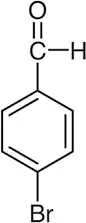
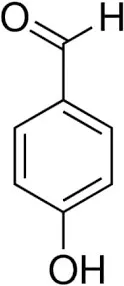
  • The chemicals used in this study were: 4-Aminoantipyrine, Benzaldehyde, 4-Bromobenzaldehyde, 4-Chlorobenzaldehyde, 4-Hydroxybenzaldehyde, Furfural, Cinnamaldehyde, Sodium hydroxide.
  • The solvents employed included: Distilled water, Ethanol, Methanol, Diethyl ether.

2.2 Instruments and apparatus

The instruments and apparatus used included:

  • Magnetic stirrer with thermostat, Hot air oven, UV chamber, Iodine chamber, Round-bottom flask, Condenser, Beakers, Measuring cylinder, Glass rod, Capillary tubes, Ignition tubes, Vacuum filtration assembly, Buchner funnel, Separating funnel, TLC plates

2.3 General method for synthesis of Schiff bases

Equi molar quantities of 4-amino antipyrine and the respective substituted aldehyde were taken in a round-bottom flask. A sufficient amount of water was added as the solvent, and the reaction mixture was refluxed for 2.5-5 h depending on the aldehyde used. After completion of the reaction, the mixture was cooled to room temperature, and the precipitated Schiff base was collected by filtration, washed with diethyl ether, and recrystallized from ethanol.

ALDEHYDES USED:

Table1: Aldehydes used for the preparation of Schiff bases

S. No

Structure & Name of Aldehyde

Uses

Solubility

In Water (Yes/No)

1.


Benzaldehyde

  1. Anti-bacterial
  2. Anti-fungal
  3. Preservatives and flavoring agents in food cosmetics

Yes

2.


4-Bromo benzaldehyde

  1. In Pharmaceuticals
  2. Used in dyes

Yes

3.


4-Chlorobenzaldehyde

  1. Pharmaceuticals
  2. Optical brightness
  3. Agro-chemicals
  4. Metal finish products

No

4


4-Hydroxybenzaldehyde

  1. Flavoring agent
  2. Food additive
  3. Preparation of perfumes
  4. In Pharmaceuticals

Yes

5


Furfural

  • Making ink
  • Making of plastics for fertilizers

No

6


Cinnamaldehyde

  1. Flavoring agent
  2. Odorant in perfumes

No

Synthesis of Schiff Base

Green Route Method:

Equimolar quantities of both the amine and aldehyde were taken in the RBF, then add sufficient amount of water as the solvent. Then the reaction mixture was refluxed for 4 to 5hrs, after that on cooling the yellow/orange color Schiff base was precipitated, which was collected by the filtration process, after washed with the diethyl ether & recrystallized by the ethanol.

Docking

Definition:

In the field of molecular modeling, docking is a method which predicts the preferred orientation of one molecule to a second when a ligand and a target are bound to each other to foam a stable complex.

Table3: Requirement tools for protein-ligand interactions through molecular docking by in-silico method

Name of docking software

MCuleor1-click docking

Name of protein/receptor

Cycloxygenase-2 receptor

PDBID

1CX2

Resolution

3.00A

Amino acids at binding region

LYS243, LYS248, LYS253, ARG311, ILE315, CYS569, CYS575, GLN270, PHE247, HIS242.

Procedure:

It generally includes three steps. 

STEP:1 - Gettothetool–https://mcule.com/apps/1-click-docking/.

STEP:2 - Draw the ligand. Draw the molecule through selecting the carbon skeletons can be selected from there and modified.

STEP:3 - Selecting the docking target from prepared PDB files. And after selecting the target then start docking by click on dock button.

DOCKSCORES: After the process of docking we will observe the dock scores of the molecules among all the dock scores the highest value of dock score is considered. It is because the highest dock score is more stable value. 

General Observation on Docking

RESULT:

We observe the different types of orientations of molecules which are based on the docking pose and the docking score and the molecule is bind to the different types of the amino acids and which might be the bind as hydrophilic and hydrophobic bonds. And the molecule can be seen as in two foams it is 3D foam and 2D foam.
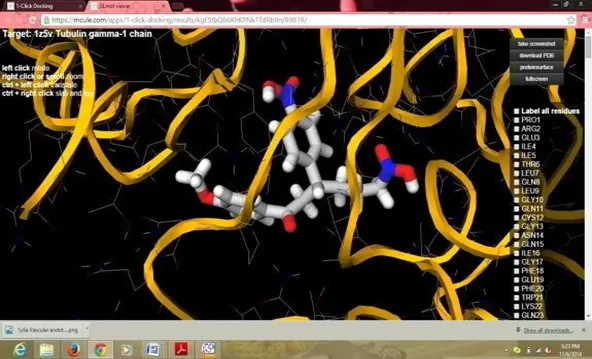
Biological Evolution of Schiff bases

In-vitro anti-inflammatory activity by protein denaturation method Procedure:

Step-1: Preparation of Phosphate buffer Saline solution [PH-6.4]

In the preparation of phosphate buffer saline solution, we add a 1.74g of Disodium hydrogen phosphate, 1.36g of potassium dihydrogen phosphate and 7.02g of sodium chloride were taken and mixed well with 1ltr water and the PH was checked by using the PH meter.

Step-2: procedure for protein denaturation method

The reaction mixture(5ml) consisting of 0.2ml of egg albumin (from freshhen's egg), 2.8mlof phosphate-buffered saline (PBS, pH6.4) and 2 ml of varying concentrations (10,20,30,40and 50 µg/ml) of piperine were taken into test tubes. A similar volume of double-distilled water served as the control. The mixtures were incubated at 37 ± 2°C in a BOD (Biological Oxygen Demand) incubator for 15min and then heated at 70°C for 5min.After rcooling,their absorbance was measured at 660 nm by using the vehicle as a blank. Ibuprofen in the concentrations of 10, 20, 30, 40 and 50µg/ml were used as the reference drug and treated similarly for the determination of absorbance (Elias et al., 1988). The percentage inhibition of protein denaturation was calculated by using the following formula:

   % Inhibition=100×[1-A2/A1]

Where,

A2=absorbance of the test sample,

A1=absorbance of control

*Mean± Standard Error of Mean (SEM) for three samples; SD-Standard Drug

RESULTS AND DISCUSSION

  1. Physical Results of Synthesized Schiff Bases

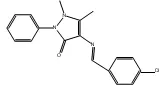
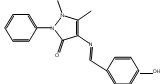
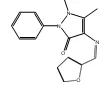
Table:4 Represents that physical results of synthesized Schiff bases

S. No.

code

Chemical Structure

M.F.

M.W.

(gm/mol)

% yield

M.P(ºC)


1


SB1


C17H14N3O


276


91%


189-191

2

SB2


C17H13N3OBr


354


86.5%


242-244

3

SB3


C17H13OCl

310


79.30%


223-227


4


SB4


C17H14N3OH


192


66.6%


238-242


5


SB5


C15H13N3O2


267


74.8%


230-233


6


SB6


C19H14N3O


300


71.3%


169-171

  1. Spectral Results of Synthesized Schiff Bases

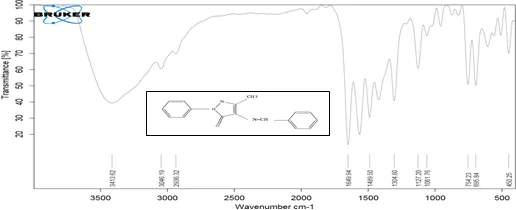
Figure:6 Represents that FTIR results of SB-1
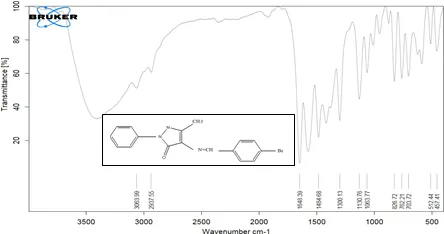
Figure:7Represents that FTIR results of SB-2

Figure: 8 Represents that FTIR result of SB-3
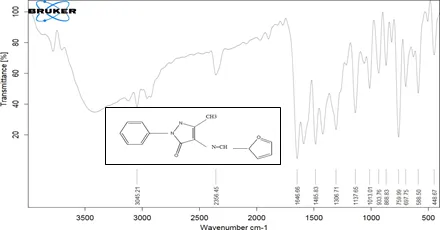
Figure:9 Represents that FTIR results of SB-4
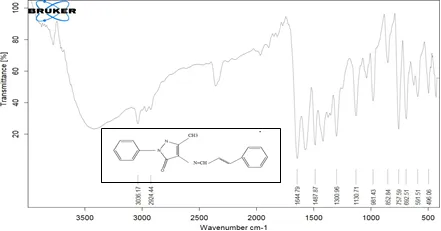
Figure:10 Represents that FTIR results of SB-5

  1. Docking Results of Synthesized Schiff Bases

Table:5 Represents that 3-dimensional image of protein-ligand interactions of SB1-SB6
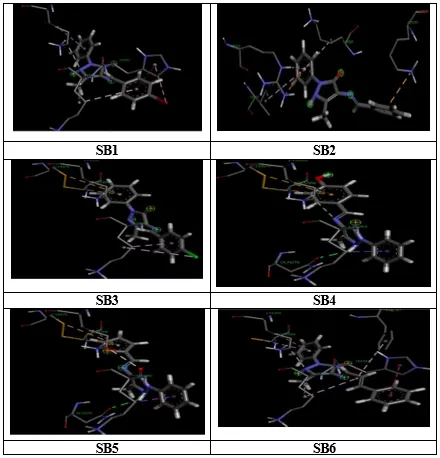
Table:6 Represents that 2-dimensional images of protein-ligand interactions of SB1-SB6
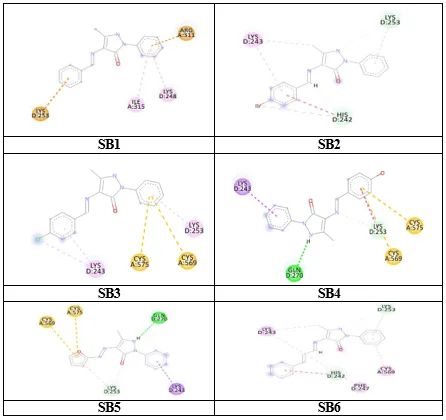
Table:7 Represents that results of protein-ligand interactions

Code

Binding affinity (Dock score) PDB ID -

Protein-ligand Interactions

Hydrogen interaction

Hydrophobic interaction

SB1

-6.6

***

LYS248, LYS253, ARG311, ILE315

SB2

-6.7

HIS242, LYS253

LYS243

SB3

-6.9

***

LYS243, LYS253, CYS569, CYS575

SB4

-7.0

LYS253

LYS243, GLN270, CYS569, CYS575

SB5

-6.5

LYS253

LYS243, GLN270, CYS569, CYS575

SB6

-6.8

HIS242, LYS253

LYS243, PHE247, CYS569

iii) Activity Results of Synthesized Schiff’s Bases

Table: 8 Represents that in-vitro anti-inflammatory activity results by protein-denaturation assay

S. No.

Concentration (µg/ml)

%Inhibition of Protein Denaturation (Mean±SEM)*


SB1

SB2

SB3

SB4

SB5

SB6

STANDARD

(Ibuprofen)

1

100

30.63

40.45

23

24.87

33.60

9.79

33.37 ± 3.92

2

200

37.48

48.65

23.8

80.21

45.55

21.21

40.66 ± 3.56

3

300

42.79

58.28

37.76

86.76

58.89

22.92

43.80 ± 3.95

4

400

63.94

69.92

44.54

88.32

65.43

49.72

64.97 ± 3.35

5

500

68.47

86.78

88.23

91.19

75.87

57.34

71.26 ± 3.81

RESULTS AND DISCUSSION

  • We successfully prepared Schiff bases by using various aldehydes as per standard procedure of green synthetic method.
  • As per physical analysis of these compounds (SB-1, SB-2, SB-3, SB-4, SB-5, SB-6) were determined as per their general characteristics.
    • The temperature of Schiff bases was maintained up to
      • SB-1toSB-4 are in 65°Cto 75°C
      • SB-5&SB-6 are in 85°C to 90°C during the throughout the synthetic reaction.
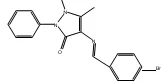
  • In SB-1 (Benzaldehyde) the aryl group of Compound with unsubstitution and yield was found to be 91.07%. InSB-2&SB-3(Bromo-benzaldehyde & Chloro-benzaldehyde) are replaced with electron withdrawing atoms at para position of aryl group of SB-1 were yields in percentage 86.5% (SB-2) and 79.30% (SB-3).
  • InSB-4(P-Hydroxy benzaldehyde) is  replaced with electron donating atom/group at para position of aryl group of SB-1 was yield found to be less than SB4 (66.6%) when compared to SB-1.
  • Based on results, we observed that unsubstituted aryl group yield was more than substituted arylgroups with either electron donating or electron withdrawing atom/group in SB4 and (SB2, SB3) respectively.
  • In substituted aryl group of Schiff bases, electron with drawing containing Schiff bases (SB2, SB3) were found that more yield than electron donating containing Schiff bases (SB4).
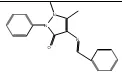
  • In presence of hetero cyclic ring (SB5) in place of aryl group of SB1(Benzaldehyde), influenced its yield to 74.80%. In SB-6, phenyl ethenyl group can be replaced with aryl groups of SB-1, then the compound yield was found to be 75.7%.
  • From docking results, we observed that the binding affinity in between (PDB ID-) and our prepared ligands (SB1-SB6) the dock score for SB-1 was found to be -6.6 and for SB-2 it is -6.7, SB-3 it is -6.9, SB-4 it is -7.0, SB-5 it is -6.5 and for SB-6 it is -6.8.
  • Among all the dock scores the dock score of SB-4 it shows the highest score about-7.0.
  • From the docking results for the SB-4 it shows the highest score because of presence of electron donating group among all the schiff bases.
  • The docking result for the SB-1it shows the less docking score because of presence of the unsubstituted compound.
  • The docking result for the SB-3andSB-4 it shows the least docking score compared to the SB-4 because of presence of the electron with drawing group.
  • For the SB-5due to the presence of the hetero cyclic ring it shows the least dock score than the SB-4 and for the SB-6 it shows the less dock score than the SB-4 due to the presence of the phenyl ethenyl group.
  • They are many Amino acids involved between the interactions of the protein and the ligand they are LYS243, LYS248, LYS253, ARG311, ILE315, CYS569, CYS575, GLN270, PHE247, HIS242.
  • The biological evaluation of in vitro anti-inflammatory activity was conducted on protein denaturation of Egg Albumin.
  • From the above results of SB-1it shows the almost near values when compared to the standard values due to the presence of the unsubstituted compound.

CONCLUSION

Schiff bases perform as a significant class of chemical compounds since of their ability to form metal complexes, their pharmacological properties and industrial applications. It is proved that Schiff base metal complexes exhibit better biological activity than the parent Schiff base ligands. We developed a convenient, simple efficient and eco-friendly green procedure for the synthesis of Schiff bases from various aldehydes and 4-amino antipyrine under mild conditions in an aqueous medium at 80ºC temperature. Some of the major advantages of this protocol are the ambient conditions, very high yields, short reactiontimes, simple work procedure, use of water as a desirable solvent for chemical reaction for reasons of cost, safety and environmental concerns. Green synthesis act as this methodology an alternative platform for the significant under the umbrella of environmental green and safer processes. Hence, we conclude that green synthesis method is more efficient method due to less use of chemicals, short period of time, economical and eco-friendly. The biological evaluation of invitro anti-inflammatory activity was conducted on protein denaturation of egg albumin. In the studies of anti-Inflammatory activity Schiff base 4 shows the highest anti-Inflammatory activity among the results of six Schiff bases and the standard value. In this case the anti-inflammatory activity of SB-4 at the 200 (µg/ml) it shows the twice fold of inhibition activity as compared to the standard compound due to the presence of the electron donating group it shows the highest anti-inflammatory activity and the further studies are conducted on the in vivo methods to attain the pharmacological results.

REFERENCES

  1. Cornforth, JW, "The Trouble with Synthesis", Australian Journal of Chemistry, 1993, 46(2),157-170.
  2. NicolaouK. C, SorensenE. J, Classics in Total Synthesis, NewYork, VCH,1995, 996.
  3. MarchJ, Smith D, Advanced Organic Chemistry, NewYork,2001,5thEd.
  4. CareyJ.S, LaffanD, ThomsonC. &WilliamsM.T, "Analysis of the reactions used for the preparation of drug candidate molecules”, Organic Journal of Biomolecular chemistry, 2006, 4 (12), 2337-2347.
  5. Santosh Kumar, M. S., Niranjan, K. C., Chaluvaraju, C. M., Jamakhandi, D, Kadadevar, Synthesized Schiff base from 4-amino benzene sulphonamide and substituted aromatic aldehydes, Journal of Current Pharmaceutical Research, 2010, 01, 39-42.
  6. Muhammad Aqeel Ashraf, Muhammad Aqeel Ashraf, Karamat Mahmood, Abdul Wajid reported a series of Schiff bases from 2-amino-Benzthiazole, 4-amino-Salicylicacid and 4-aminophenol, IPCBEE, 2011, 10(10).
  7. Muhammad Aslam, AnisI, AfzaN, HussainA, IqbalL, J. IqbalJ, ZaitoonIlyas, IqbalS, Chaudhry AH, Niaz M, Synthesized Schiff base by mixing of Aminophenol with 4-Chloroacetophenon or 4-hydroxyacetophenone and the reaction mixture was refluxed for 3 h with stirring at 70oC after adding 3-4drops of conc.H2SO4, International Journal of Current Pharmaceutical Research, 2012, 4(4), 42-46.
  8. BairagiS, Bhosale A and Deodhar.M. N,4-Chloro-2-oxo-2H-chromene-3-carbaldehyde was made to react with different anilines inrectified spirit to yield a series of Schiff bases of the type 4-chloro-3-(substituted-phenylimino) methyl)-2H-chromen-2-one, E-Journal of Chemistry, 2009, 6(3), 759.
  9. Bag, K. Bag, D. Das, Sinhac, synthesized a series of Schiff bases of benzidene with series of substituted aromatic aldehydes and examined the mercuration reaction, Indian Journal of Chemistry, 2000, 39B, 787.
  10. Mounika.K, Anupama. B, Pragathi. J, Gyanakumari.C, Some Schiff bases by treating of 3-ethoxy salicylaldehyde and 2-amino benzoic in ethanol, SCI.J, 2010, 2(3), 513-524.
  11. Vatsala Pawar, Sunil Joshi, Uma V, Ravichandran V, Mohan S, Suresh Kumar K, SynthesizedmacrocyclicligandsbytakingequimolarratiosofAcetylacetoneinethanol with the solutions of Semicarbazide hydrochloride in hot water (dil.NaoH) and thiosemicarbazide in ethanol respectively and then both were added drop wise of ethanol under constant stirring for atleast 3hours, ARKIVOC, 2007,14,51-57.
  12. Vivek Tiwari, Rashmi Singhai, Mishra A V, Ravichandran V, Mohan. S, Suresh Kumar K, Synthesized some Schiff bases metal complexes of Ni(II)and Cu(II) with Schiff bases ‘4-dimethylaminobenzylidene-4-chloroaniline.ARKIVOC, 2008, 14, 51-57.
  13. Rai. B. K, synthesized a series of metal complexes with 2-methyl-3-phenyl quinazolin-4 (3H) one semicarbazone and its thiosemicarbazone analogue, Journal of the Indian Council of Chemistry, 2005, 22 (02), 1-5.
  14. Chohan.Z. HandMushtaq. S, Synthesis and pharmacological studies of novel Schiff bases of 4-Hydroxy-6-carboxyhydrazinobenzofuran and their metal complexes were reported by Gopal Krishna Rao, Pakistan Journal of Pharmaceutical Sciences, 2000, 13(1), 21.
  15. Vijay Aanandhi, Thangadurai T. D, Ihm. S. K, have reported the synthesis of a series of 1-(5-substituted-2-oxoindolin-3-ylidene)-4-(substituted-pyridin-2yl) thiosemicarbazide derivatives, these compounds were screened for in vitro antibacterial and antifungal activity against B. subtilis, S. aureus, E. coli, P. aeruginosa, C. albicans, A. niger, Eng. Chem, 2003, 9, 563.

Reference

  1. Cornforth, JW, "The Trouble with Synthesis", Australian Journal of Chemistry, 1993, 46(2),157-170.
  2. NicolaouK. C, SorensenE. J, Classics in Total Synthesis, NewYork, VCH,1995, 996.
  3. MarchJ, Smith D, Advanced Organic Chemistry, NewYork,2001,5thEd.
  4. CareyJ.S, LaffanD, ThomsonC. &WilliamsM.T, "Analysis of the reactions used for the preparation of drug candidate molecules”, Organic Journal of Biomolecular chemistry, 2006, 4 (12), 2337-2347.
  5. Santosh Kumar, M. S., Niranjan, K. C., Chaluvaraju, C. M., Jamakhandi, D, Kadadevar, Synthesized Schiff base from 4-amino benzene sulphonamide and substituted aromatic aldehydes, Journal of Current Pharmaceutical Research, 2010, 01, 39-42.
  6. Muhammad Aqeel Ashraf, Muhammad Aqeel Ashraf, Karamat Mahmood, Abdul Wajid reported a series of Schiff bases from 2-amino-Benzthiazole, 4-amino-Salicylicacid and 4-aminophenol, IPCBEE, 2011, 10(10).
  7. Muhammad Aslam, AnisI, AfzaN, HussainA, IqbalL, J. IqbalJ, ZaitoonIlyas, IqbalS, Chaudhry AH, Niaz M, Synthesized Schiff base by mixing of Aminophenol with 4-Chloroacetophenon or 4-hydroxyacetophenone and the reaction mixture was refluxed for 3 h with stirring at 70oC after adding 3-4drops of conc.H2SO4, International Journal of Current Pharmaceutical Research, 2012, 4(4), 42-46.
  8. BairagiS, Bhosale A and Deodhar.M. N,4-Chloro-2-oxo-2H-chromene-3-carbaldehyde was made to react with different anilines inrectified spirit to yield a series of Schiff bases of the type 4-chloro-3-(substituted-phenylimino) methyl)-2H-chromen-2-one, E-Journal of Chemistry, 2009, 6(3), 759.
  9. Bag, K. Bag, D. Das, Sinhac, synthesized a series of Schiff bases of benzidene with series of substituted aromatic aldehydes and examined the mercuration reaction, Indian Journal of Chemistry, 2000, 39B, 787.
  10. Mounika.K, Anupama. B, Pragathi. J, Gyanakumari.C, Some Schiff bases by treating of 3-ethoxy salicylaldehyde and 2-amino benzoic in ethanol, SCI.J, 2010, 2(3), 513-524.
  11. Vatsala Pawar, Sunil Joshi, Uma V, Ravichandran V, Mohan S, Suresh Kumar K, SynthesizedmacrocyclicligandsbytakingequimolarratiosofAcetylacetoneinethanol with the solutions of Semicarbazide hydrochloride in hot water (dil.NaoH) and thiosemicarbazide in ethanol respectively and then both were added drop wise of ethanol under constant stirring for atleast 3hours, ARKIVOC, 2007,14,51-57.
  12. Vivek Tiwari, Rashmi Singhai, Mishra A V, Ravichandran V, Mohan. S, Suresh Kumar K, Synthesized some Schiff bases metal complexes of Ni(II)and Cu(II) with Schiff bases ‘4-dimethylaminobenzylidene-4-chloroaniline.ARKIVOC, 2008, 14, 51-57.
  13. Rai. B. K, synthesized a series of metal complexes with 2-methyl-3-phenyl quinazolin-4 (3H) one semicarbazone and its thiosemicarbazone analogue, Journal of the Indian Council of Chemistry, 2005, 22 (02), 1-5.
  14. Chohan.Z. HandMushtaq. S, Synthesis and pharmacological studies of novel Schiff bases of 4-Hydroxy-6-carboxyhydrazinobenzofuran and their metal complexes were reported by Gopal Krishna Rao, Pakistan Journal of Pharmaceutical Sciences, 2000, 13(1), 21.
  15. Vijay Aanandhi, Thangadurai T. D, Ihm. S. K, have reported the synthesis of a series of 1-(5-substituted-2-oxoindolin-3-ylidene)-4-(substituted-pyridin-2yl) thiosemicarbazide derivatives, these compounds were screened for in vitro antibacterial and antifungal activity against B. subtilis, S. aureus, E. coli, P. aeruginosa, C. albicans, A. niger, Eng. Chem, 2003, 9, 563.

Photo
Raviteja Bandla
Corresponding author

Department of Pharmaceutical Chemistry, M.A.M. College of Pharmacy, Narasaraopet

Photo
K. Venkata Naidu
Co-author

Department of Pharmaceutical Chemistry, M.A.M. College of Pharmacy, Narasaraopet

Photo
K. Lakshmi Nagaprasanna
Co-author

Department of Pharmaceutical Chemistry, M.A.M. College of Pharmacy, Narasaraopet

Photo
K. Vamsi
Co-author

Department of Pharmaceutical Chemistry, M.A.M. College of Pharmacy, Narasaraopet

Photo
P. Pavani
Co-author

Department of Pharmaceutical Chemistry, M.A.M. College of Pharmacy, Narasaraopet

Photo
R. Mounika
Co-author

Department of Pharmaceutical Chemistry, M.A.M. College of Pharmacy, Narasaraopet

Raviteja Bandla*, K. Venkata Naidu, K. Lakshmi Nagaprasanna, K. Vamsi, P. Pavani, R. Mounika, Synthesis, Molecular Docking, and Anti-Inflammatory Activity of Schiff Bases by Various Aldehydes, Int. J. Med. Pharm. Sci., 2026, 2 (7), 1013-1023. https://doi.org/10.5281/zenodo.21511967

More related articles
Analgesic and Anti-Inflammatory Activity of Alcoho...
Nimbarge Smita, S. V. Rajendra, Pallavi, Channaveer B. K., Bebi...
A Review on Synthesis of Novel 1,3,4-Oxadiazole De...
Priyanka Chendke, Samrat Khedkar, Om Walke, Nikita Pol, Mahesh Pi...
Anti-Inflammatory Effect of an Ethanolic Extract o...
V. Venkata Rajesham, Siddartha Goutham Reddy Banda, Prasanna Kuma...
Related Articles
A Review on Microwave Assisted Green Synthesis of Bioactive Heterocycles...
Nikita Pol, Samrat Khedkar, Priyanka Chendke, Om Walke, Mahesh Pingale...
Biogenic Synthesis and Characterization of Silver Nanoparticles Using Quercetin ...
A. Faizun Nisha, S. Swarnalatha, M. Vignesh, K. Kaviya, J. Karthi, G. Hemalatha...
Analgesic and Anti-Inflammatory Activity of Alcoholic Extract of Malus Pumila Li...
Nimbarge Smita, S. V. Rajendra, Pallavi, Channaveer B. K., Bebi...
More related articles
Analgesic and Anti-Inflammatory Activity of Alcoholic Extract of Malus Pumila Li...
Nimbarge Smita, S. V. Rajendra, Pallavi, Channaveer B. K., Bebi...
A Review on Synthesis of Novel 1,3,4-Oxadiazole Derivative as Anti-inflammatory ...
Priyanka Chendke, Samrat Khedkar, Om Walke, Nikita Pol, Mahesh Pingale...
Anti-Inflammatory Effect of an Ethanolic Extract of Ficus Dalhousiae Miq Whole P...
V. Venkata Rajesham, Siddartha Goutham Reddy Banda, Prasanna Kumar Lankalapalli, K. Manjeera, Harish...
Analgesic and Anti-Inflammatory Activity of Alcoholic Extract of Malus Pumila Li...
Nimbarge Smita, S. V. Rajendra, Pallavi, Channaveer B. K., Bebi...
A Review on Synthesis of Novel 1,3,4-Oxadiazole Derivative as Anti-inflammatory ...
Priyanka Chendke, Samrat Khedkar, Om Walke, Nikita Pol, Mahesh Pingale...
Anti-Inflammatory Effect of an Ethanolic Extract of Ficus Dalhousiae Miq Whole P...
V. Venkata Rajesham, Siddartha Goutham Reddy Banda, Prasanna Kumar Lankalapalli, K. Manjeera, Harish...