

We use cookies to ensure our website works properly and to personalise your experience. Cookies policy
Assistant Professor of Abasaheb Kakade College of B. Pharmacy, Bodhegaon
Oral health is an important component of general health and quality of life. Dental plaque, dental caries, gingivitis, halitosis, tooth sensitivity and other oral conditions are commonly associated with inadequate oral hygiene and microbial accumulation in the oral cavity. Dentifrices are routinely used to maintain oral cleanliness, remove deposits and support the prevention of common dental problems. In recent years, increasing interest has been observed in herbal and natural oral-care preparations because of the traditional use of medicinal plants and the potential biological activities of their phytoconstituents. The present review discusses the concept, formulation approaches, important ingredients, phytoconstituents, possible mechanisms of action, preparation methods, evaluation parameters, therapeutic potential, advantages, limitations, safety considerations and future perspectives of herbal tooth powders. Particular emphasis is given to Neem, Clove, Mint, Triphala, calcium carbonate, sodium bicarbonate, sodium chloride and camphor, which were identified as important components in the source formulation. Neem contains limonoids and other bioactive constituents and has traditionally been associated with oral hygiene. Clove is a rich source of eugenol and is traditionally used for toothache and oral discomfort. Mint provides flavour and freshness, while Triphala contains tannins, phenolic compounds and other phytoconstituents. Calcium carbonate and sodium bicarbonate contribute mainly to cleansing and mild abrasive properties, whereas salt may support cleansing and traditional oral-care practices. Camphor contributes a characteristic cooling sensation and flavour. The review also highlights the importance of standardized raw materials, particle-size control, pH, moisture content, ash value, bulk and tapped density, flow properties, abrasiveness, cleaning ability, microbial quality, stability and safety evaluation. Although herbal tooth powders have promising traditional and formulation-based applications, standardized clinical and microbiological studies are necessary to establish their efficacy, safety and consistency. Future development should therefore focus on scientifically standardized herbal dentifrices with reproducible quality and evidence-based therapeutic claims.
Oral health represents an essential component of overall health and well-being. The oral cavity provides an environment in which numerous microorganisms coexist with host tissues. Under healthy conditions, the oral microbial ecosystem remains relatively balanced. However, inadequate oral hygiene, accumulation of dental plaque, inappropriate dietary habits and other contributing factors can disturb this balance and contribute to oral diseases. Dental plaque is a structured microbial biofilm that develops on tooth surfaces. If plaque is not adequately removed, it can contribute to dental caries, gingival inflammation and periodontal problems. Acid-producing microorganisms can metabolize fermentable carbohydrates and contribute to enamel demineralization. Similarly, accumulation of plaque at the gingival margin may initiate inflammatory changes and eventually contribute to gingivitis and periodontal disease. Regular mechanical cleaning of teeth is therefore an important component of oral hygiene. Toothbrushes, toothpastes and tooth powders are commonly used for this purpose. Tooth powders represent one of the oldest forms of dentifrice and have traditionally been prepared from finely powdered natural substances. Modern herbal tooth powders combine traditional medicinal plants with suitable pharmaceutical ingredients to improve cleaning, appearance, taste and acceptability. The increasing interest in herbal oral-care products is associated with several factors. Medicinal plants contain diverse classes of phytoconstituents, including alkaloids, flavonoids, tannins, terpenoids, phenolic compounds, essential oils, glycosides and other secondary metabolites. Some of these compounds have demonstrated antimicrobial, antioxidant, anti-inflammatory, analgesic or flavouring properties in traditional and experimental contexts. The supplied thesis on natural herbal tooth powder describes a formulation based on Neem, Clove, Mint, Triphala, calcium carbonate, sodium bicarbonate, salt and camphor. The thesis also emphasizes the importance of properties such as colour, odour, taste, texture, pH, ash value, density, foamability and flow behaviour in assessing the quality of the powder. Herbal tooth powder should not, however, be considered automatically superior to conventional dentifrices merely because it contains natural ingredients. The therapeutic value of a herbal product depends on the identity, quality, concentration and stability of its ingredients, as well as its formulation, manufacturing process and safety profile. Scientific standardization is therefore essential.
Oral Health and Common Dental Problems
Dental plaque is a microbial biofilm that adheres to tooth surfaces. It contains microorganisms embedded in an extracellular matrix. Inadequate plaque control may lead to accumulation of microorganisms and contribute to caries and gingival inflammation. Mechanical removal of plaque is one of the fundamental objectives of dentifrice use. Abrasive particles present in tooth powders can assist mechanical cleaning when used appropriately.
Dental caries is a multifactorial disease involving interactions between microorganisms, dietary carbohydrates, tooth surfaces and time. Acid generated through microbial metabolism may lower the local pH and promote mineral loss from dental tissues. The supplied thesis identifies dental caries as one of the important oral-health problems addressed by herbal tooth-powder formulations. It also discusses the traditional relevance of ingredients such as Neem and Clove in oral hygiene.
Gingivitis refers to inflammation of gingival tissues and is commonly associated with plaque accumulation. Clinical manifestations may include redness, swelling and bleeding of gums. Effective plaque control and maintenance of oral hygiene are important measures in preventing or controlling gingival inflammation.
Halitosis, commonly known as bad breath, can arise from several factors, including microbial metabolism, food residues and inadequate oral hygiene. Ingredients providing pleasant flavour and compounds with potential antimicrobial activity may contribute to the sensory acceptability of oral-care products.
Tooth sensitivity may occur when dentinal tubules become exposed and external stimuli produce discomfort. The source thesis includes hypersensitivity among the potential oral-health concerns associated with herbal tooth-powder applications.
Dentifrices and Tooth Powders
Dentifrices are preparations intended to assist in cleaning and maintaining the health of teeth and oral tissues. They are available in several forms, including:
Tooth powder is a dry, finely divided preparation that is applied to the teeth, generally with the help of a toothbrush or directly according to the product instructions.
A well-designed tooth powder should possess:
The source thesis describes tooth powder as a convenient dry formulation containing natural and pharmaceutical ingredients designed to support oral hygiene.
Herbal Tooth Powder
Herbal tooth powder is a dentifrice preparation containing one or more plant-derived materials together with suitable pharmaceutical or mineral ingredients.
The basic concept is to combine:
Herbal active components + cleansing agents + abrasive agents + flavouring agents + supporting excipients
The formulation may therefore contain plant powders, essential oils, mineral abrasives, buffering materials and flavouring substances. Herbal tooth powders may be developed using traditional knowledge and subsequently evaluated using modern pharmaceutical quality-control methods.
Rationale for Herbal Tooth Powders
The development of herbal tooth powders is supported by several considerations.
Many plants have a long history of use in traditional oral-care practices.
Plants contain several secondary metabolites that may contribute to biological activity.
Some herbal constituents have demonstrated antimicrobial effects in laboratory studies.
Phenolic compounds, tannins and flavonoids may provide antioxidant activity.
Plants such as mint can improve the sensory characteristics of oral-care formulations.
A formulation can combine botanical ingredients with substances such as calcium carbonate and sodium bicarbonate to obtain both traditional and functional dentifrice properties.
Major Ingredients Used in Herbal Tooth Powder
|
Sr. No. |
Ingredient |
Major role in formulation |
|
1 |
Neem |
Herbal oral-care and antimicrobial potential |
|
2 |
Clove |
Eugenol source, traditional analgesic/antiseptic use |
|
3 |
Mint |
Flavouring, freshness and sensory acceptability |
|
4 |
Triphala |
Traditional oral-care, antioxidant and antimicrobial potential |
|
5 |
Calcium carbonate |
Mild abrasive and cleansing agent |
|
6 |
Sodium bicarbonate |
Cleansing, acid-neutralizing and mild abrasive action |
|
7 |
Sodium chloride/Sea salt |
Cleansing and traditional oral-care application |
|
8 |
Camphor |
Cooling sensation, flavour and traditional oral-care use |
Plant/Drug Profile
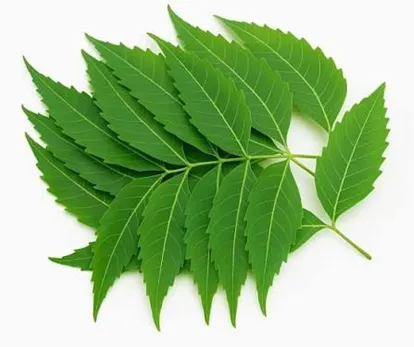
Fig no 1: Neem
The source thesis identifies several constituents associated with Neem, including:
Neem has a long history of traditional use for oral hygiene. Neem-derived materials have been investigated for antimicrobial and anti-inflammatory potential. Its incorporation into a tooth powder is therefore mainly intended to provide a botanical component with potential usefulness in maintaining oral hygiene.
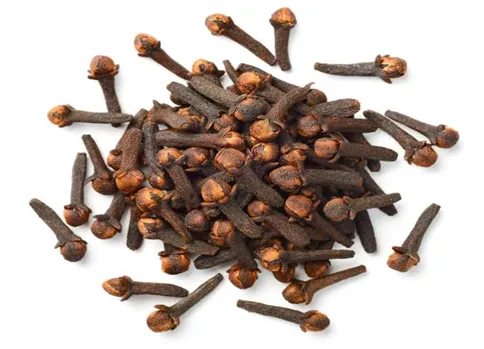
Fig no 2: Clove
The principal constituent of clove oil is eugenol.
Other constituents include:
Clove may contribute:
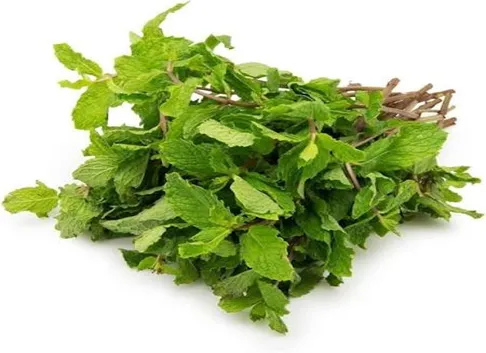
Fig no 3: Mint
Important constituents associated with mint include:
Mint is particularly useful as a flavouring and refreshing ingredient. It can improve the overall sensory characteristics of the formulation and contribute to a feeling of freshness after use.
Mint may also provide mild antimicrobial potential, although therapeutic claims should be supported by appropriate experimental evidence.
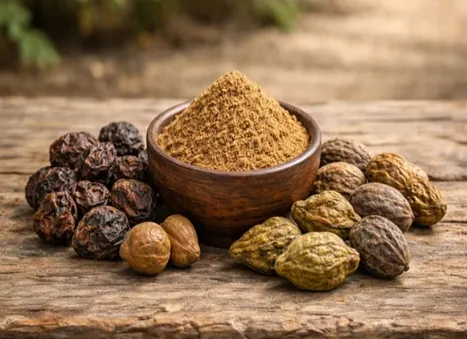
Fig no 4: Triphala
Triphala is a traditional Ayurvedic formulation consisting of three fruits.
The three classical components are:
The supplied thesis discusses Triphala as a three-fruit Ayurvedic preparation and associates it with tannins, gallic acid, ellagic acid, chebulinic acid, flavonoids, polyphenols and other constituents.
Oral-Care Importance
Triphala has traditionally been used in oral hygiene and has been investigated for:
Phytoconstituents Of Herbal Tooth-Powder Ingredients
|
Ingredient |
Important phytoconstituents/chemical constituents |
Potential relevance |
|
Neem |
Azadirachtin, nimbin, nimbidin, quercetin, salannin |
Antimicrobial/anti-inflammatory potential |
|
Clove |
Eugenol, eugenyl acetate, β-caryophyllene |
Aromatic, traditional analgesic and antimicrobial potential |
|
Mint |
Menthol, menthone, pulegone, cineole |
Flavouring, freshness |
|
Triphala |
Tannins, gallic acid, ellagic acid, chebulinic acid, flavonoids |
Antioxidant and antimicrobial potential |
|
Calcium carbonate |
CaCO₃ |
Abrasive/cleansing function |
|
Sodium bicarbonate |
NaHCO₃ |
Mild abrasive and acid-neutralizing function |
|
Salt |
NaCl |
Cleansing/traditional oral-care function |
|
Camphor |
Camphor and volatile constituents |
Cooling and aromatic propertie |
Formulation Development of Herbal Tooth Powder
Selection of Raw Materials
↓
Authentication
↓
Cleaning
↓
Drying
↓
Sieving
↓
Weighing
↓
Geometric Mixing
↓
Addition of Flavouring / Aromatic Ingredients
↓
Final Blending
↓
Packaging
↓
Quality Evaluation
↓
Stability Assessment
Evaluation Parameters
Organoleptic Evaluation
Organoleptic evaluation includes:
Particle-size analysis is important because it affects:
pH is an important parameter for oral-care preparations. The source thesis describes a method involving dispersion of approximately 1 g of powder in 10 mL of distilled water followed by pH measurement. An appropriate pH is desirable to minimize irritation and maintain acceptable oral compatibility.
Moisture content is important because excess moisture may:
Ash value provides information regarding the inorganic/mineral residue remaining after incineration. The supplied thesis describes incineration of a weighed quantity in a silica crucible until carbon-free material is obtained. Ash value can provide useful information regarding the quality and purity of herbal raw materials.
Bulk density is calculated from the mass of powder and its untapped bulk volume.
Bulk density = Mass of powder / Bulk volume
Bulk density affects:
Tapped density is measured after mechanically tapping a powder sample until the volume becomes relatively constant.
Tapped density = Mass of powder / Tapped volume
The difference between bulk and tapped density can provide information regarding powder packing behaviour.
Angle of repose is used to estimate powder flowability.
It may be calculated using:
tan θ = h/r
Where:
Foamability can be evaluated by dispersing a known quantity of tooth powder in water and shaking for a defined period.
The source thesis uses approximately 1 g of powder with 10 mL water and observes foam formation.
Foam formation may contribute to the consumer perception of cleaning, although foam itself should not be considered a direct measure of therapeutic efficacy.
Cleaning ability can be evaluated using suitable standardized laboratory models. Evaluation should consider the ability of the formulation to remove artificial or natural deposits without excessive substrate damage.
A major area for future standardization is microbiological evaluation.
Potential organisms of interest may include Streptococcus mutans and other oral microorganisms.
Stability Studies
Stability studies are required to determine whether the physical, chemical and microbiological characteristics of the product remain acceptable during storage.
Important stability observations may include:
The product should be stored in appropriate containers and evaluated at predetermined intervals.
Safety and Patch Testing
Safety assessment is important for herbal oral-care products because natural ingredients may still produce irritation or sensitivity.
The source thesis includes a patch-test assessment involving:
Such preliminary assessments can provide useful information, but they should not be considered a substitute for comprehensive clinical safety evaluation.
Advantages of Herbal Tooth Powders
Limitations of Herbal Tooth Powders
FUTURE PERSPECTIVES
CONCLUSION
Herbal tooth powders combine medicinal plants with cleansing and abrasive ingredients for oral hygiene. Neem, Clove, Mint and Triphala provide important herbal components, while calcium carbonate, sodium bicarbonate and salt support cleansing. Camphor provides cooling and aromatic properties. Important evaluation parameters include organoleptic properties, pH, ash value, density, flow properties, foamability and safety. However, proper standardization, particle-size and abrasiveness control, microbial testing, stability studies and clinical evaluation are essential. Future research should focus on standardized phytochemical markers, biofilm studies, abrasivity testing, stability and clinical trials to improve the quality, safety and scientific credibility of herbal tooth powders.
REFERENCES

Wadghane Somnath*, Sayyed Atik, Khakal Dhiraj, Misal Akash, A Comprehensive Review Herbal Tooth Powders for Oral Health, Int. J. Med. Pharm. Sci., 2026, 2 (10), 249-257. https://doi.org/10.5281/zenodo.23268362
 10.5281/zenodo.23268362