
We use cookies to ensure our website works properly and to personalise your experience. Cookies policy
1Research Scholar- Faculty of Pharmacy, Mansarovar Global University, Sehore (Madhya Pradesh) -466111
2Professor- Faculty of Pharmacy, Mansarovar Global University, Sehore (Madhya Pradesh) - 466111
Inflammation is a complex biological response that protects the body against infection, injury, and harmful stimuli. However, persistent or chronic inflammation contributes to the development of numerous diseases, including rheumatoid arthritis, osteoarthritis, psoriasis, dermatitis, and chronic wounds. Although conventional anti-inflammatory therapies are effective, their prolonged use is often associated with adverse effects such as gastrointestinal irritation, immunosuppression, and systemic toxicity. Consequently, there is growing interest in developing safer, plant-derived therapeutic agents with improved drug delivery systems. Aucubin, a naturally occurring iridoid glycoside isolated from medicinal plants such as Plantago asiatica, Plantago major, and Eucommia ulmoides, possesses significant anti-inflammatory, antioxidant, antimicrobial, and wound-healing properties. However, its clinical application is limited by poor stability, low bioavailability, rapid degradation, and limited skin permeation. Nanosponge technology has emerged as a promising nanocarrier capable of overcoming these limitations through enhanced drug encapsulation, controlled release, improved skin penetration, and prolonged drug retention at the target site. This review discusses the formulation strategies, physicochemical characterization, and evaluation of aucubin-loaded nanosponges, including particle size, zeta potential, entrapment efficiency, drug release, stability, and biological activity. The potential of nanosponge-based topical delivery to improve the therapeutic efficacy of aucubin in inflammatory disorders is also highlighted. Overall, aucubin-loaded nanosponges represent a promising and effective nanotechnological approach for localized treatment of inflammation with improved efficacy, safety, and patient compliance.
Inflammation is a process that occurs after an infection or tissue injury, characterized by increased postcapillary venule permeability to fluid and plasma proteins and polymorphonuclear leukocyte emigration into tissues (Abdulkhaleq et al., 2018). The inflammatory response is essential in maintaining homeostasis; however, this event may be chronic course, leading to tissue damage due to leukocytosis, fibroplasia, excessive production of cytokines, and other mediators. Generally, anti-inflammatory drugs, such as nonsteroidal anti-inflammatory drugs, are effective for temporary relief of symptoms. However, drug-induced severe side effects occur, and most of these treatments are inadequate for chronic use (Chopra et al., 2024).
1.1 Classes of inflammation
Inflammation is the body's protective response to tissue damage or microbial invasion. It aims to eliminate harmful stimuli, remove damaged cells, and initiate tissue regeneration.
Inflammation can be classified into:
Acute inflammation is of short duration and represents the early body reactions. Acute inflammation may be an initial response of the body to harmful stimuli. An increased movement of plasma and leukocytes, especially granulocytes from the blood into the injured tissues is observed. A cascade of biochemical events propagates and matures the inflammatory response, involving the local vascular system, the immune system and various cells within the injured tissue. Mast cells in the tissues, the key players of inflammation, are loaded with mediators of inflammatory response. When their toll-like receptors interact with pathogen associated molecular patterns these cells discharge the chemical mediators recruiting white blood cells to the site of inflammation (Jafarzadeh et al., 2023). These include neutrophils, monocytes (that become macrophages when they leave the blood and enter the tissue), antigen presenting dendritic cells, lymphocytes (B cells and T cells leading to an adaptive immune response) and natural killer cells. The Inflammatory response stimulates release of TNF-α from stimulated mast cells. Other cells involved in inflammation have receptors for TNF-α. They are activated by the binding of TNF-α. Activation of these recruited cells produces their own mediators of inflammation. This positive feedback quickly amplifies the response. Phagocytes (macrophages and neutrophils) produce reactive oxygen species (ROS). Macrophages and activated platelets release interleukin (IL)-1, a cytokine. IL-1 causes fever by stimulating the release of prostaglandins (PGs), which act on the temperature control canter of the hypothalamus. IL-1 is synthesized from a larger precursor that is cleaved by a caspase-1. Caspase-1 is part of two (or more) multiprotein complexes in the cytosol of macrophages and neutrophils that are called inflammasomes (El-Radhi, 2019).
Chronic inflammation is most appropriately defined in terms of the process, in which continuing inflammation and attempted tissue healing by repair occur simultaneously. Although it is often defined simply in terms of time course, with lesions of over 6 weeks‟ duration traditionally being regarded as chronic, any such definition is entirely arbitrary. At a microscopic level, chronic inflammation is sometimes defined in terms of the pattern of cellular response, although this is variable and not altogether reliable. Involving tissue regeneration or repair, chronic inflammation is characterized by inflammation and repair occurring concurrently, rather than consecutively (Raziyeva et al., 2021). Note that repair is always a feature of chronic inflammation because it is associated with irritants that cause destruction of tissue architecture. Repair is typically achieved by in growth of granulation tissue, which includes macrophages, fibroblasts and new blood vessels. Because the irritant fails to be eliminated in chronic inflammation (either because of its innate characteristics or because of an ineffective host response) it may cause continuing tissue damage in its own right. In addition, most persistent irritants are recognized as foreign antigens by the host immune response, which contributes to the chronic inflammatory process and may add to the tissue destruction. This is well illustrated in diseases such as tuberculosis and hepatitis B, where the inciting agents persist in the host and continue to evoke a chronic inflammatory response (Chopra et al., 2024).
1.2 Pathway in inflammatory signalling
1.2.1 Nuclear Factor-κB pathway
In the inactive stage, NF-κB complexes are attached with IκB kinase-α (IKKα), IκB kinase-β (IKKβ) and IKKγ/NEMO in the cytoplasm. This complex is activated by attachment of ligands as cytokine, growth factors or damaged microbial cells to the receptors present on the cell surface. The activated IKK complex causes phosphorylation of IκB. Further, there is proteasomal degradation of Phosphorylated IκB and causes the NF-κB activation, which reaches in the nucleus where serves as a transcription factor for the expression of specific target genes (Liu et al., 2017).
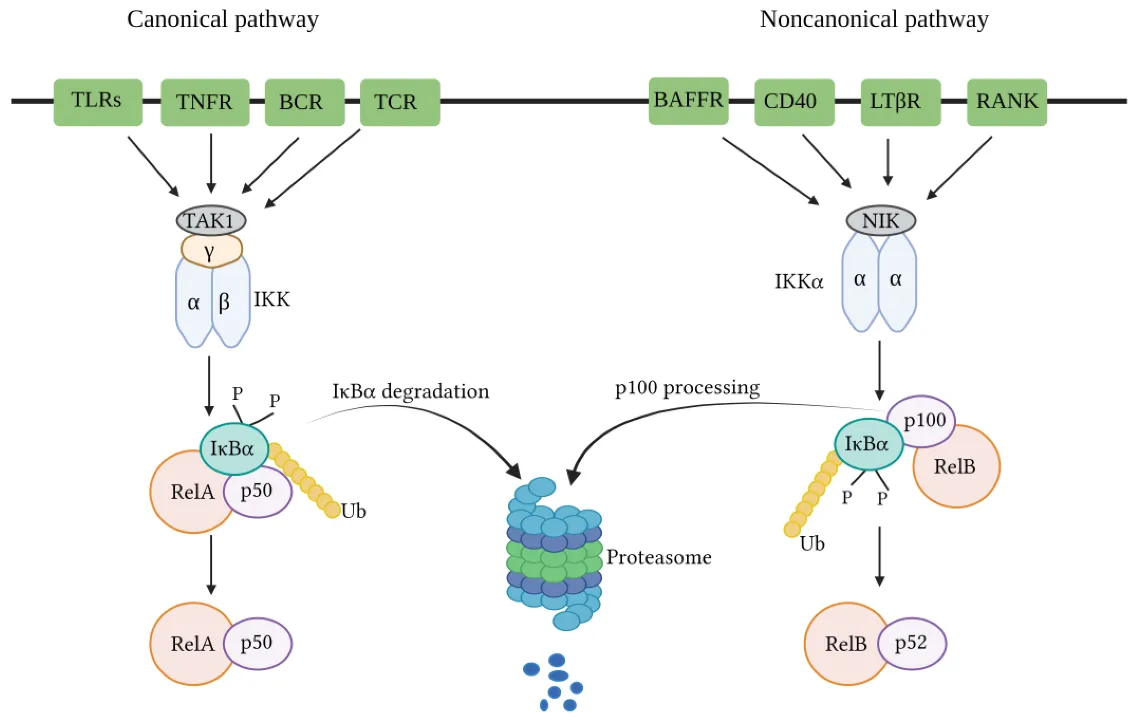
Figure 1: Nuclear Factor-κB pathway
1.2.2 Mitogen-Activated Protein Kinase (MAPK) cascade
Ras is a product of proto-oncogene, works similar to G-protein. It transmits the signals through (GDP/GTP) SH2 domain protein Grb, where phosphorylation occurs by tyrosine receptor kinase. This causes Ras activation which results in the activation of Raf. In the next step, there is phosphorylation of both Ras and Raf. At last, there is the phosphorylation of various transcription factors by MAP kinase, interfere in transcription in the nucleus (Soares-Silva et al., 2016).
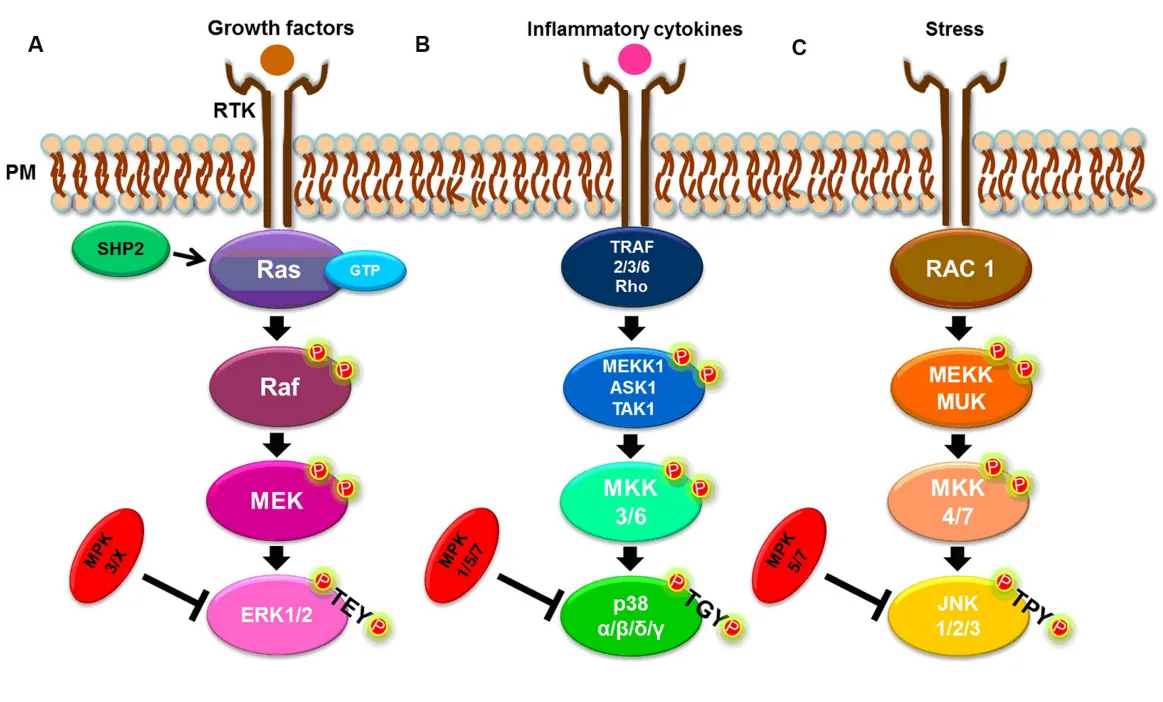
Figure 2: Mitogen-Activated Protein Kinase (MAPK) cascade
1.2.3 JAK-STAT signaling pathway
Binding of cytokines to the receptors induces dimerization of these receptors and causes the phosphorylation of JAKs and STATs. Activation of STAT causes dimerization. These dimers serve as a transcription factor and causes gene transcription in the nucleus (Lv et al., 2024).
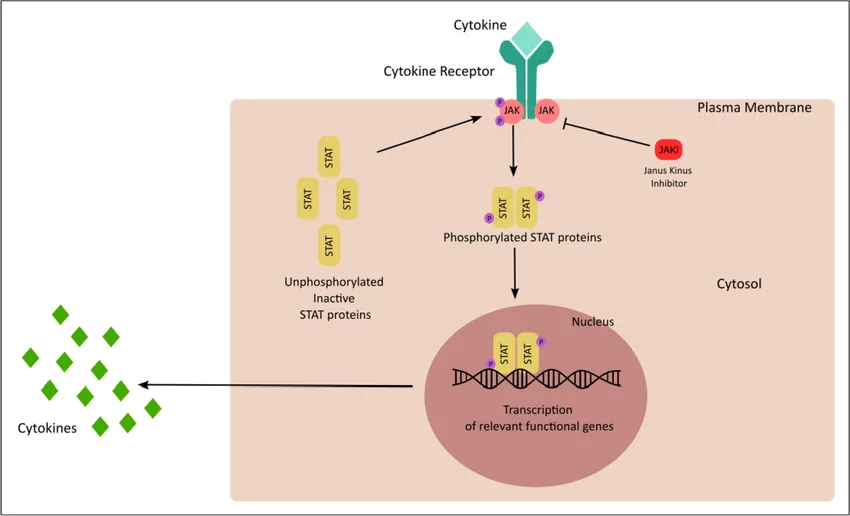
Figure 3: JAK-STAT signaling pathway
1.2.4 Phosphatidylinositol-3-Kinase (PI3K)/Akt signaling pathway
PI3K/Akt Pathway is one of the most important pathways which play a pivotal role in modulating cellular growth, proliferation, metabolism, and angiogenesis. Akt is a serine/threonine kinase consists of a kinase domain and a pleckstrin homology, initially identified as proto-oncogene. Binding of ligand to the receptor causes activation of PIP3 results in further signaling. Activation of PIP3 further activates Akt and PKB. Akt induces activation of nuclear factor NF-κB which has a significant role in inflammation (Peng et al., 2022).
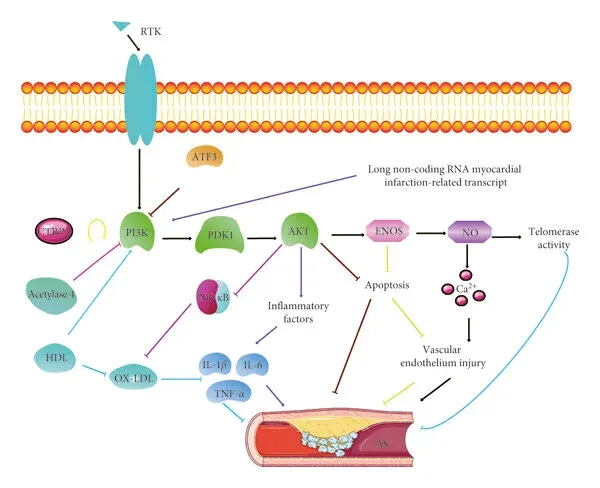
Figure 4: Phosphatidylinositol-3-Kinase (PI3K)/Akt signaling pathway
1.2.5 Arachidonic Acid Pathway
The arachidonic acid pathway is one of the most significant pathways which release several inflammatory mediators as Prostaglandins, thromboxanes, and leukotrienes. Activated Phospholipase A2 (PLA2) causes the formation of Arachidonic Acid from the cell membrane phospholipid. Thus, Arachidonic acid is metabolized in to different mediators by some enzymatic reactions. Action of cyclooxygenase enzyme (COX) form prostaglandins and thromboxanes from Arachidonic acid. Similarly, action of 5-lipoxygenase (5-LOX) form leukotrienes (Hanna and Hafez, 2018).
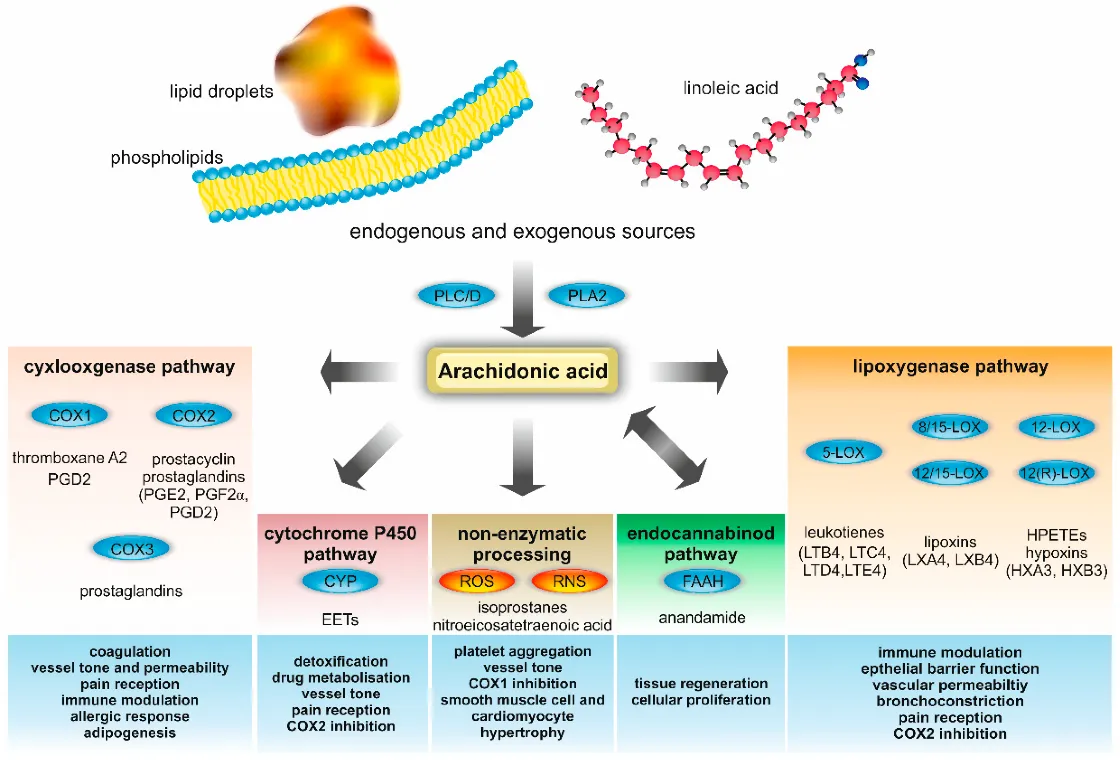
Figure 5: Arachidonic Acid Pathway
Aucubin is found in common verbena. Aucubin is a monoterpenoid based compound. Aucubin, like all iridoids, has a cyclopentan-[C]-pyran skeleton. Aucubin is found in the leaves of Aucuba japonica (Cornaceae), Eucommia ulmoides (Eucommiaceae), and Plantago asiatic (Plantaginaceae), etc, plants used in traditional Chinese and folk medicine. Aucubin was found to protect against liver damage induced by carbon tetrachloride or alpha-amanitin in mice and rats when 80 mg/kg was dosed intraperitoneally. Aucubin has been shown to exhibit anti-proliferative and apoptotic functions. Aucubin has shown effectiveness as antifungal and suggests its promising potential use as solution for C. albicans biofilm-related infections. Aucubin has a range of biological activities, including anti-inflammatory, anti-microbial, anti-algesic as well as anti-tumor activities (Kartini et al., 2023).
2.1 Pharmacology activity
2.1.1 Anti-Inflammatory Activities
Inflammation is the body’s response to cell and tissue damage caused by various stimuli, which can be mechanical stimulants (abrasion, impact, distortion), chemical stimulants (inflammatory cytokines, chemotherapy), infections by pathogenic organisms (bacteria or viruses), etc. When tissues are exposed to and damaged by stimulants, phospholipids in the cell membrane are converted to arachidonic acid by phospholipase and then to inflammatory mediators called prostaglandins by cyclooxygenase (COX-1, COX-2) and leukotrienes by lipoxygenase (LOX). One of the signaling pathways involved in forming inflammatory cytokines (e.g., COX-2, IL-1β, IL-8, IL-10, and TNF-α) is the NF-κB pathway (Hanna and Hafez, 2018).
Aucubin also has the potential as an anti-inflammatory in certain pathological conditions, including diabetes, gastric mucosal lesions, and epilepsy. In vivo administration of aucubin to hyperglycemic mice decreased p-IκBα expression, accumulated p65 nuclei in the NF-κB pathway, and inhibited the expression of inflammatory cytokines (IL-1β, IL-8, IL-10, and TNF-α). In a different study, intragastrical administration of aucubin to mice with gastric mucosal lesions reduced the IL-6 and TNF-α levels in the gastric mucosa by blocking the activation of NF-κB. In mice with pilocarpine-induced epilepsy, aucubin lowered proinflammatory cytokine levels (IL-1β, HMGB1, and TNF-α) (Chen et al., 2019).
2.1.2 Antioxidant
Antioxidants are compounds that can prevent or slow down cell damage due to oxidative stress. Aucubin has demonstrated antioxidant activities in several disorders, including diabetic nephropathy, traumatic brain injury, cardiovascular disorders, liver disease, osteoarthritis, and infertility. Oxidative stress occurs when the antioxidant defense cannot balance the excess production of reactive oxygen species (ROS). This condition also refers to disruptions to the cellular redox balance. Reactive oxygen and nitrogen species originating from intracellular redox metabolism are superoxide anion radicals (O2•−), hydroxyl (OH•), alkoxyl and peroxyl radicals (ROO•), nitric oxide (NO•), peroxynitrite (ONOO−), hydrogen peroxide (H2O2), and hypochlorite (HOCl). Damage to cells, tissues, and organ systems resulting from oxidative stress is associated with a number of serious diseases, such as cancers, cataracts, neurodegenerative diseases, and even the aging process. Aucubin’s potential to prevent or treat numerous diseases owing to its antioxidant properties has been confirmed using various test models (Sies et al., 2017).
2.1.3 Anxiolytic and Antidepressant
Depression is a common mental health disorder, etiology and pathophysiology of which are rarely understood. There are many theories regarding the causes and mechanisms of depression, including the lack of function of the brain’s monoaminergic transmitters such as norepinephrine, 5-HT, dopamine, or their combination. Depression can be caused by decreased GABA concentrations in the cortical portions of the brain and cerebrospinal fluid. Administering aucubin orally to mice at 20 and 40 mg/kg BW for 7 d proved effective in reducing anxiety. Furthermore, when administered at 10, 20, and 40 mg/kg BW, it also produced an antidepressant effect equivalent to fluoxetine. The anxiolytic and antidepressant properties of aucubin are believed to result from its ability to lower glutamate levels, increase GABA levels, and inhibit monoamine oxidase A (MAO-A) and catechol-O-methyltransferase (COMT), which normally act as catalysts for the catabolism of catecholamine neurotransmitters, including dopamine, serotonin, noradrenaline, and adrenaline. However, further research is still needed to determine the real mechanism (Chu et al., 2020).
2.1.4 Antidiabetic
Diabetes mellitus (DM) is a chronic metabolic disease characterized by high glucose in the blood. While type 1 DM occurs due to impaired insulin synthesis and secretion (pancreatic β-cell damage), type 2 DM is caused by impaired sensitivity of the tissues (receptors) where insulin works. When left unmanaged, DM can lead to various complications, such as chronic kidney disorders, retinal damage, and cardiovascular disorders. Long-term intraperitoneal injection of aucubin can help control blood glucose levels in diabetic rats and diabetic encephalopathic rats and reduce damage to neuron cells (Rodwell et al., 2018). This compound also alleviates inflammation, renal fibrosis, albuminuria, and enlargement of the glomerular extracellular matrix caused by DM by inhibiting NF-κB activation and inducing the SIRT1/SIRT3-FOXO3a signaling pathway. Examining the antiglycation activity in vitro at concentrations of 0.22 mmol/L and in vivo at 10 and 25 mg/kg revealed that aucubin suppressed the formation of advanced glycation end products (AGEs). This inhibitory effect on the formation of AGEs is dose-dependent. AGEs are a causative factor for, among others, chronic kidney disease and atherosclerosis. AGEs form slowly in aging, but this process is accelerated under diabetic conditions and tissue oxidation (Jung et al., 2019).
2.1.5 Antifungal and Antibacterial
Candida albicans is a flora naturally found in the human body, especially in the mouth and teeth, throat, skin, and mucous membranes of the gastrointestinal and genitourinary tract [80,83]. Candida can become an opportunistic pathogen if other local normal flora and tissue health conditions that prevent the development of candidiasis decrease or an environmental imbalance occurs, such as a change in pH and nutrition. In addition, C. albicans can form biofilms—i.e., complex structures made up of communities of cells (e.g., hyphae, pseudohyphae, and yeast cells) attached to host tissues or surfaces, such as medical devices—as a protective mechanism for these organisms, thus complicating treatment and increasing the degree of virulence. Administered at 61–244 µg/mL, aucubin exhibited an inhibitory effect on total growth, biofilm formation, metabolic activity, and cell surface hydrophobicity of C. albicans. Meanwhile, at 244 µg/mL, it could develop a fungicidal effect. The mechanisms involved in the antifungal activity of aucubin are still not clearly understood but are assumed to be by the inhibition of the cell surface hydrophobicity (CSH) pathway (Shirley et al., 2017).
Nanosponges are tiny mesh structures that can encapsulate a large number of substances and drug molecules. They have enhanced ability to dissolve water- and lipid-soluble drugs and also possess spherical colloidal properties. They increase the biological ability of drugs with long drugs. Inside the hydrophobic room. In addition, due to the nature of external pepidation branches and nanopion's parents, therapeutic molecules, which are both dopply and hydrophobic, can be transported. They resemble 3D networks with long-chain polyester backbones present in solution and crosslinkers connecting different parts of the polymer. It has been shown that treatment of cyclodextrins (cyclic oligosaccharides) with appropriate cross-linkers can result in nanosponges, unique nanostructured materials composed of hyperlinked cyclodextrins (Garg et al., 2024). According to the agent used as a cross-linking agent, nanosponges can be synthesized as neutral or acidic materials and swell. The result is hollow spheres with voids that can hold drug molecules. During preparation, the proportion of cyclodextrin crosslinking can be modified to improve drug loading and provide a customized release profile. Their highly permeable nanomeric nature, compared to that of parent cyclodextrin molecules, allows drug molecules to organize into nanospongy inclusions and interact with each other in a non-inclusion mode and provide efficient drug loading. Compared to other nano particles, they can be easily reproduced using various treatments, so there are several advantages. Wash with environmentally friendly solvent, stripped, relatively harmless heat gas, delicate heating, or change Strong. They are used in different areas (Pyrak et al., 2024).
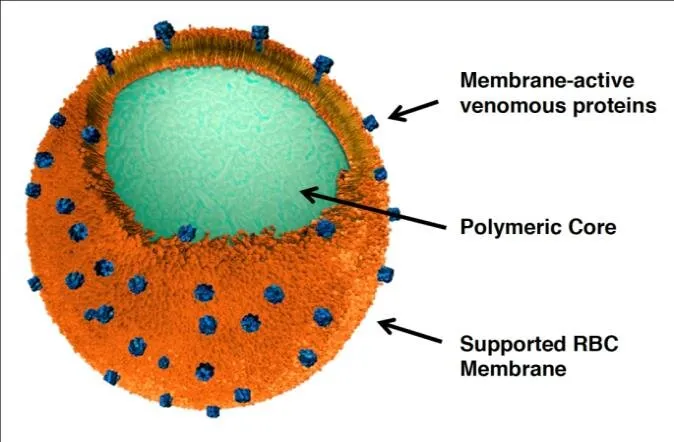
Figure 6: Structure of nanosponge
The technical potential of nanosponges stems from the relatively simple principle the chemistry of their cross-linking peptides and polyesters. Being water-soluble, they do not chemically disintegrate in water. Nano humans are composed of several voids in major structures and provide free movement of drug components. Partially Atc he can move freely in the vehicle, reduce the concentration of drugs in the vehicle, create abundant United Nations, and increase the slim balance. This procedure continues until the body has absorbed all of the drug. Once the liquid is prepared, the solubility of the drug molecules increases, reducing the benefit of gradual release and making the drug fragments behave as if they were administered in a free rather than entrapped form. They mix it with water and use the resulting liquid as a means of transportation. They are a valuable tool for converting liquid materials into solid forms (Surushe et al., 2023).
3.1 Methods of Formulation of Nanosponges
3.1.1 Ultrasonic-assisted synthesis
The polymers are forced to react with the crosslinking agents in the vial without solvent. The vial is placed in an ultrasonic bath filled with water and heated to 90 ° C, and the mixture is subjected to ultrasonic treatment for 5 hours. The mixture is then cooled to room temperature and the product is coarsely crushed. Finally, the nonireactive product is washed with water to remove the polymer. ASoxhlet (ethanol) apparatus is used to obtain the nanosponges (Arshad et al., 2016).
3.1.2 Emulsion Solvent Diffusion Method
In this method, nanosponges are prepared using different proportions or amounts of ethyl cellulose. And polyvinyl alcohol. This method uses two phases – dispersed and continuous. The dispersed phase consists of ethyl cellulose and the drug, which is dissolved in 20 ml of dichloromethane, and a small amount of polyvinyl alcohol (PVA) is added to 150 ml of the continuous (aqueous) phase. The mixture is then stirred at 1000 rpm for approximately 2 hours. Product, It is assembled by filtering. Finally, the product is dry with Inn anon Temperature 400 ° C (Abbas et al., 2018).
3.1.3 Hypercrosslinking method
Hypercrosslinking method Also known as the fusion method. 100 ml of anhydrous dimethylformamide and 17.42 g of anhydrous cyclodextrin were added to a round-bottom flask, and the mixture as gently stirred until completely dissolved. 9.96 g of carbonyl diimidazole was added to this combination and the reaction was carried out for 4 hours at 100 °C. Upon completion of the condensation polymerization, highly cross-linked cyclodextrin is formed in the round-bottom flask. Deionized water should be added in excess to the above mixture to remove excess dimethylformamide. Finally, ethanol-based Soxhlet extraction is used to remove unreacted chemicals (Farsana et al., 2021).
3.1.4 Microwave method
Microwave method In the CLAT scientific microwave system, a microwave reaction was performed. Optical fabric probe has been introduced in the reaction . A container that measures the temperature of the reaction mi diphenyl carbonate Diphenyl formamide was used as a cross cyclodextrin and diphenyl carbonate. Dimethylformamide was added to a 250 ml flask and he specific time. After some time, the solvent was completely removed. The resulting product was then thoroughly purified by Soxhlet extraction with ethanol. White powder after that, it was generated al. investigated the advantages of microwave cyclodextrin-based nanosponges. According to the results of the study, the retention capacity of the model drug was increased by half when the nanosponges were produced using microwave assistance. High-resolution transmission electron microscopy results demonstrated that microwave crystalline and had a limited size distribution in addition to a higher degree of complexity. The advantage of using microwave irradiation for synthesis is that it provides direct energy, allowing for precise delivery of the target molecule (Vij et al., 2023).
3.2 Aucubin-Loaded Nanosponges for the Treatment of Inflammation
Aucubin is a naturally occurring iridoid glycoside that possesses potent anti-inflammatory, antioxidant, antimicrobial, wound healing, hepatoprotective, and immunomodulatory activities. It has gained considerable attention as a promising phytoconstituent for the management of inflammatory disorders because of its ability to inhibit pro-inflammatory cytokines, suppress oxidative stress, and regulate multiple inflammatory signaling pathways. However, despite these therapeutic advantages, the clinical application of aucubin is restricted by poor physicochemical stability, rapid degradation, low skin permeability, limited bioavailability, and a short biological half-life. These limitations reduce its therapeutic efficiency, especially when administered through conventional dosage forms. The incorporation of aucubin into nanosponge-based drug delivery systems offers an effective strategy to overcome these challenges and significantly improve its pharmacological performance (Kartini et al., 2023).
3.2.1 Protection of Aucubin from Degradation
One of the major challenges associated with aucubin therapy is its susceptibility to degradation under physiological and environmental conditions. Exposure to moisture, oxygen, light, enzymes, and varying pH conditions can lead to hydrolysis and oxidation of aucubin, resulting in reduced drug stability and loss of biological activity. Nanosponges possess a three-dimensional porous polymeric network capable of encapsulating drug molecules within numerous nano-sized cavities. Once entrapped, aucubin is protected from external environmental factors that may cause degradation. The polymeric matrix acts as a physical barrier against oxidation, hydrolysis, and enzymatic attack, thereby preserving the structural integrity of the drug. This enhanced stability improves the shelf life of the formulation and ensures consistent therapeutic efficacy throughout storage and application (Mu et al., 2025).
3.2.2 Enhancement of Skin Permeation
The skin, particularly the stratum corneum, serves as a highly effective barrier that limits the penetration of many therapeutic agents. Conventional topical formulations often fail to deliver adequate concentrations of drug into deeper skin layers because of poor permeation characteristics. Nanosponges have nanoscale particle sizes and a high surface-area-to-volume ratio, allowing intimate contact with the skin surface. Their porous structure facilitates gradual diffusion of aucubin through the epidermis and into inflamed tissues. By maintaining a continuous concentration gradient across the skin, nanosponges enhance transdermal permeation without damaging the skin barrier. Improved penetration increases drug availability at the target site while reducing drug loss from the skin surface (Argenziano et al., 2019).
3.3.3 Increased Drug Retention at the Site of Inflammation
Successful topical therapy requires prolonged retention of the drug at the affected site. Conventional creams and ointments are often removed by sweating, washing, or friction, resulting in reduced therapeutic effectiveness. Aucubin-loaded nanosponges adhere effectively to the skin surface and gradually release the encapsulated drug into surrounding tissues. Their porous architecture allows continuous diffusion of aucubin over an extended period, maintaining therapeutic concentrations within inflamed tissues. Increased local retention enhances anti-inflammatory activity while minimizing repeated application and drug wastage (Kumari and Tiwari, 2026).
3.3.4 Controlled and Sustained Drug Release
One of the most significant advantages of nanosponge technology is its ability to provide controlled and sustained drug release. Conventional formulations typically produce an initial burst release followed by rapid depletion of the drug, leading to fluctuating therapeutic levels. In nanosponge formulations, aucubin is slowly released from interconnected nanoporous cavities through diffusion and polymer relaxation mechanisms. This sustained release maintains therapeutic drug concentrations at the site of inflammation for prolonged periods, thereby reducing dosing frequency and improving treatment outcomes. Controlled drug release also minimizes drug-related toxicity associated with sudden increases in local drug concentration (Nasiriani et al., 2026).
3.3.5 Reduction of Oxidative Stress
Inflammatory conditions are commonly associated with excessive production of reactive oxygen species (ROS) and reactive nitrogen species (RNS), which contribute to oxidative damage of proteins, lipids, DNA, and cellular membranes. Oxidative stress further amplifies inflammatory responses and delays tissue repair. Aucubin possesses strong antioxidant properties that enable it to neutralize free radicals and enhance endogenous antioxidant defense mechanisms. Sustained delivery of aucubin from nanosponges continuously scavenges ROS, increases the activity of antioxidant enzymes such as superoxide dismutase (SOD), catalase (CAT), and glutathione peroxidase (GPx), and decreases lipid peroxidation. This combined antioxidant and anti-inflammatory effect protects tissues from oxidative injury and promotes faster recovery (Leyane et al., 2022).
3.4 Evaluation of Aucubin-Loaded Nanosponges
The successful development of aucubin-loaded nanosponges requires comprehensive physicochemical, morphological, pharmaceutical, and biological characterization to ensure formulation quality, stability, safety, and therapeutic efficacy. Evaluation studies provide valuable information regarding the size, morphology, drug encapsulation, release characteristics, stability, and anti-inflammatory performance of the developed nanosponge system (Nair et al., 2022).
3.4.1 Physical Appearance
Physical appearance is the preliminary evaluation parameter used to assess the visual characteristics of the prepared nanosponge formulation. The formulation is examined for its color, odor, homogeneity, texture, aggregation, and presence of any visible particulate matter. An ideal aucubin-loaded nanosponge formulation should appear as a fine, free-flowing, white to off-white powder without any visible agglomeration or discoloration. Uniform appearance indicates successful formulation and proper distribution of drug within the polymeric matrix. Any changes in color, texture, or aggregation during storage may indicate drug degradation or instability of the formulation (Vankudre et al., 2025).
3.4.2 Particle Size and Polydispersity Index (PDI)
Particle size is one of the most critical parameters influencing the therapeutic performance of nanosponges. It affects drug loading, skin penetration, release behavior, cellular uptake, and overall stability of the formulation. Particle size is commonly measured using Dynamic Light Scattering (DLS). The average particle diameter is generally expressed in nanometers (nm) (Danaei et al., 2018).
3.4.3 Zeta Potential
Zeta potential measures the electrical surface charge of nanoparticles and is an important indicator of colloidal stability. It reflects the degree of electrostatic repulsion between adjacent particles.
3.4.4 Drug Entrapment Efficiency
Entrapment efficiency (EE%) measures the percentage of aucubin successfully encapsulated within the nanosponge matrix relative to the total amount of drug used during formulation. It is usually determined after separating free drug from entrapped drug using centrifugation or ultrafiltration followed by UV-visible spectrophotometry or HPLC analysis (Baranauskaite et al., 2025).
3.4.5 Drug Loading Capacity
Drug loading represents the amount of aucubin incorporated into the nanosponges relative to the total weight of the nanosponge formulation. Higher drug loading reduces the quantity of carrier material required and increases therapeutic efficiency (Mumtaj, 2019).
3.4.6 Fourier Transform Infrared Spectroscopy (FTIR)
FTIR analysis is performed to evaluate the compatibility between aucubin and formulation excipients. It identifies functional groups and detects any chemical interactions occurring during formulation. Characteristic absorption peaks of aucubin and polymers are compared before and after formulation (Bunaciu et al., 2025).
3.4.7 Differential Scanning Calorimetry (DSC)
DSC evaluates the thermal behavior of aucubin and the prepared nanosponges. It measures melting temperature, glass transition temperature, and crystallization behavior. Changes in the melting endotherm of aucubin after encapsulation indicate conversion from crystalline to amorphous form, suggesting successful incorporation into the nanosponge matrix (Malik et al., 2023).
3.4.8 Scanning Electron Microscopy (SEM)
SEM provides detailed information regarding the surface morphology, particle shape, texture, and porous architecture of nanosponges. Images obtained through SEM reveal whether the nanosponges possess spherical geometry, smooth surfaces, and interconnected porous structures. Uniform morphology is associated with improved drug loading and controlled release behaviour (Yin et al., 2026).
FUTURE PROSPECTS
The development of aucubin-loaded nanosponges represents a significant advancement in the field of topical nanomedicine for inflammatory disorders. Although preliminary studies indicate promising therapeutic potential, further research is required to facilitate their successful translation from laboratory research to clinical application. Future investigations should focus on optimizing polymer composition, particle size, drug loading, and release characteristics to maximize therapeutic efficacy while ensuring formulation stability. Advanced nanosponges with stimuli-responsive or targeted drug delivery capabilities may further improve site-specific delivery and minimize systemic exposure. Incorporation of aucubin-loaded nanosponges into patient-friendly dosage forms such as hydrogels, transdermal patches, sprays, and bioadhesive films may enhance patient acceptance and treatment compliance. Combining aucubin with other natural anti-inflammatory phytoconstituents or conventional drugs within the same nanosponge system could provide synergistic therapeutic effects and broaden the range of treatable inflammatory conditions. Future studies should also include detailed pharmacokinetic, pharmacodynamic, toxicological, and long-term safety evaluations, followed by well-designed clinical trials to establish efficacy in humans. Furthermore, scalable manufacturing processes, regulatory compliance, and cost-effective production techniques should be developed to support commercial translation. The integration of nanotechnology with herbal medicine offers considerable opportunities for developing next-generation anti-inflammatory therapies with improved therapeutic performance and reduced adverse effects.
CONCLUSION
Aucubin is a promising natural bioactive compound with well-established anti-inflammatory, antioxidant, antimicrobial, and wound-healing properties. Nevertheless, its therapeutic application is limited by poor stability, low bioavailability, rapid degradation, and inadequate skin permeation. Encapsulation of aucubin into nanosponge-based drug delivery systems effectively addresses these limitations by protecting the drug from degradation, enhancing skin penetration, increasing drug retention at the site of inflammation, and providing controlled and sustained drug release. Comprehensive evaluation of aucubin-loaded nanosponges, including physicochemical characterization, morphological analysis, drug loading, entrapment efficiency, in vitro drug release, stability assessment, and biological activity, confirms the suitability of this nanocarrier for topical drug delivery. The sustained release profile and localized delivery achieved through nanosponges enhance anti-inflammatory efficacy while reducing systemic exposure and minimizing adverse effects. Overall, aucubin-loaded nanosponges represent a novel, safe, and effective nanotechnological strategy for the treatment of inflammatory disorders. With continued optimization, extensive preclinical investigations, and clinical validation, this delivery system has the potential to become an effective alternative to conventional anti-inflammatory formulations, offering improved therapeutic outcomes, enhanced patient compliance, and a promising future in the management of acute and chronic inflammatory diseases.
REFERENCES

Sanjay Malviya*, Satish Kumar Sarankar, A Comprehensive Review of Aucubin: Pharmacological Potential, Anti-Inflammatory Activity, And Its Applications in Nanosponges-Based Drug Delivery, Int. J. Med. Pharm. Sci., 2026, 2 (10), 32-44. https://doi.org/10.5281/zenodo.23101809
 10.5281/zenodo.23101809