

We use cookies to ensure our website works properly and to personalise your experience. Cookies policy
Sant Gajanan Maharaj College of Pharmacy, Mahagaon Site-Chinchewadi416503, Kolhapur, Maharashtra, India
Inflammation is a protective physiological response to tissue injury and infection; however, prolonged inflammation may lead to various chronic disorders. Herbal medicines have gained considerable attention because of their therapeutic efficacy and minimal adverse effects. The present study aimed to formulate and evaluate herbal anti-inflammatory ointment using Ficus religiosa bark extract. The bark powder was extracted by Soxhlet extraction using a hydroalcoholic solvent system (ethanol: water, 30:70). The obtained extract was incorporated into an oleaginous ointment base by the fusion method to prepare three formulations (F1, F2, and F3). The prepared formulations were evaluated for physicochemical characteristics including colour, odour, texture, homogeneity, pH, viscosity, spreadability, extrudability, diffusion, loss on drying, and stability. Phytochemical screening confirmed the presence of flavonoids, tannins, phenolic compounds, terpenoids, saponins, and phytosterols. Anti-inflammatory activity was evaluated using the protein denaturation assay and demonstrated concentration-dependent inhibition. The optimized formulation exhibited acceptable physicochemical properties, good stability, and promising anti-inflammatory activity. The findings suggest that Ficus religiosa bark extract can be effectively incorporated into a topical ointment and may serve as a safe, economical, and natural alternative for the management of inflammation.
Inflammation is a complex biological response of the body to harmful stimuli such as infection, physical injury, chemical agents, or tissue damage. It plays an essential role in protecting the body by eliminating harmful agents and initiating tissue repair. The classical signs of inflammation include redness, swelling, heat, pain, and loss of function. Although acute inflammation is beneficial and self-limiting, chronic inflammation may contribute to the development of several diseases including arthritis, cardiovascular disorders, diabetes, and autoimmune diseases. Therefore, effective management of inflammation is important to prevent tissue damage and improve the quality of life. Conventional anti-inflammatory drugs such as non-steroidal anti-inflammatory drugs (NSAIDs) and corticosteroids are widely prescribed for the treatment of inflammatory conditions. However, prolonged use of these drugs is associated with several adverse effects including gastric irritation, peptic ulcer, renal toxicity, hepatic dysfunction, and cardiovascular complications
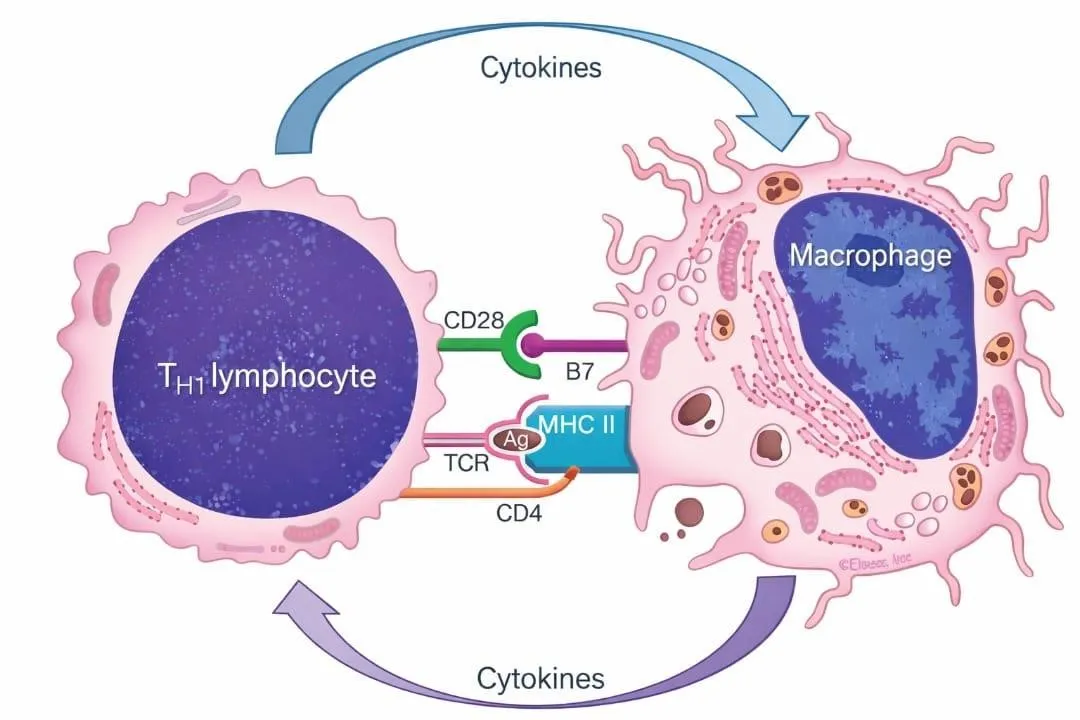
These limitations have encouraged researchers to explore safer and more effective alternatives derived from natural sources. Medicinal plants have gained considerable attention because they contain diverse phytochemicals with significant therapeutic activities and generally produce fewer side effects than synthetic drugs. Herbal medicines have been used for centuries in traditional healthcare systems and continue to play an important role in modern medicine. They are rich sources of biologically active constituents such as flavonoids, tannins, phenolic compounds, terpenoids, saponins, and alkaloids. These phytochemicals possess antioxidant, antimicrobial, anti-inflammatory, wound-healing, and immunomodulatory properties. Owing to their natural origin, wide availability, affordability, and favorable safety profile, herbal formulations are increasingly being investigated for the development of topical therapeutic products. Among various medicinal plants, Ficus religiosa Linn. (Family: Moraceae), commonly known as the Peepal tree, is one of the most valuable medicinal plants used in traditional Indian medicine. Different parts of the plant, including the bark, leaves, fruits, roots, and latex, have been reported to possess several pharmacological activities such as anti-inflammatory, antioxidant, antimicrobial, antidiabetic, analgesic, wound-healing, and antiulcer effects. The bark is particularly rich in flavonoids, tannins, polyphenols, phytosterols, and terpenoids, which are believed to contribute significantly to its anti-inflammatory potential. Topical drug delivery systems such as ointments offer several advantages over oral dosage forms in the treatment of localized inflammatory conditions. Ointments provide direct delivery of the active constituents to the affected site, minimize systemic drug exposure, prolong the contact time of the drug with the skin, improve patient compliance, and reduce systemic adverse effects. In addition, the occlusive nature of ointment bases enhances hydration of the skin and facilitates better penetration of active phytoconstituents. The effectiveness of a topical herbal formulation depends not only on the therapeutic activity of the plant extract but also on its physicochemical properties, stability, and quality. Therefore, appropriate formulation development and systematic evaluation are essential to ensure product safety, efficacy, and reproducibility. Important quality parameters include colour, odour, homogeneity, pH, viscosity, spreadability, extrudability, diffusion characteristics, stability, and skin compatibility. Phytochemical screening also plays a significant role in confirming the presence of bioactive constituents responsible for the therapeutic activity of the formulation. In the present study, herbal anti-inflammatory ointment containing Ficus religiosa bark extract was formulated using the fusion method. The extract was obtained by Soxhlet extraction using a hydroalcoholic solvent system and incorporated into an oleaginous ointment base to prepare different formulations. The prepared formulations were evaluated for their physicochemical characteristics and anti-inflammatory activity using the protein denaturation assay. The study was undertaken to develop a stable, effective, safe, and economical herbal topical formulation that could serve as a promising natural alternative for the management of inflammatory conditions. Medicinal plants have been utilized for centuries in traditional healthcare systems and continue to serve as an important source of bioactive compounds for modern drug discovery. Herbal medicines are increasingly accepted because of their natural origin, cost-effectiveness, accessibility, and reduced incidence of adverse reactions These phytoconstituents exert their pharmacological effects by scavenging reactive oxygen species, suppressing oxidative stress, and inhibiting inflammatory mediators such as cyclooxygenase (COX), lipoxygenase (LOX), tumor necrosis factor-alpha (TNF-α), interleukin-1β (IL-1β), and interleukin-6 (IL-6).
MATERIALS AND METHODS
2.1 MATERIALS
Ficus religiosa bark powder was procured from SGM Hospital, Mahagaon,
Kolhapur, Maharashtra, India. Hard paraffin, cetostearyl alcohol, wool fat (lanolin), white soft paraffin, methyl salicylate, methyl paraben, and propyl paraben were used for the preparation of the herbal anti-inflammatory ointment. Ethanol and distilled water were used for the extraction of the plant material. All chemicals and reagents employed in the study were of analytical grade and used without further purification.
2.2 Experimental Design
The present investigation was designed to formulate and evaluate herbal anti-inflammatory ointment containing hydroalcoholic extract of Ficus religiosa bark. Three formulations (F1, F2, and F3) were prepared by varying the proportions of the ointment base constituents while maintaining a constant concentration of Ficus religiosa extract and other active ingredients. The prepared formulations were evaluated for physicochemical characteristics, stability, and in vitro anti-inflammatory activity.
2.3 Procurement of Plant Material
The powdered bark of Ficus religiosa was procured from SGM Hospital, Mahagaon, Kolhapur, Maharashtra, India. The plant powder was stored in an airtight container at room temperature in a dry place, protected from moisture and direct sunlight until further use for extraction.
2.4 Preparation of Hydroalcoholic Extract
The hydroalcoholic extract of Ficus religiosa bark was prepared by the Soxhlet extraction technique. Approximately 50 g of powdered bark was accurately weighed and packed into a cellulose extraction thimble. The thimble was placed inside the Soxhlet apparatus and extracted using 250 mL of hydroalcoholic solvent (ethanol: distilled water, 30:70 v/v). The extraction was carried out at a temperature of 40–70°C for 72 hours, allowing repeated extraction cycles until the solvent in the siphon tube became colorless, indicating complete extraction of the phytoconstituents. After completion of the extraction process, the solvent was removed by evaporation to obtain a concentrated hydroalcoholic extract. The concentrated extract was collected in an amber-coloured container and stored under refrigerated conditions until further use for formulation development.
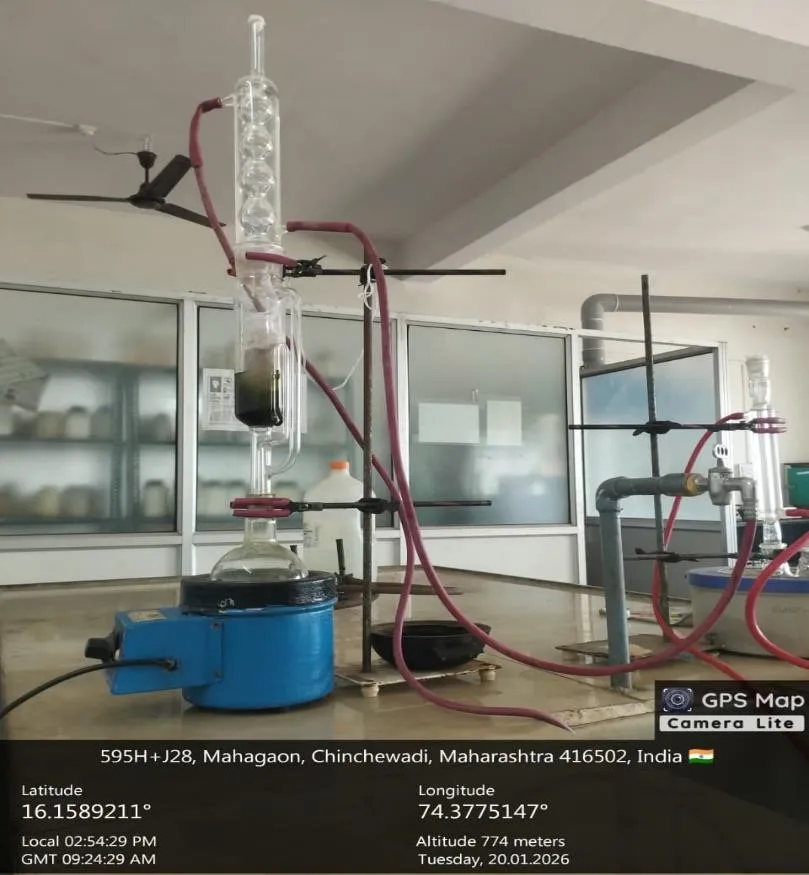
Figure 1: Soxhlet Extraction Apparatus
2.5 Preliminary Phytochemical Screening
The hydroalcoholic extract of Ficus religiosa bark was subjected to preliminary qualitative phytochemical screening using standard procedures to detect the presence of various secondary metabolites. The extract was examined for alkaloids, flavonoids, tannins, phenolic compounds, saponins, terpenoids, glycosides, carbohydrates, proteins, and phytosterols based on characteristic colour changes or precipitate formation.
2.6 Formulation of Herbal Ointment
Three herbal ointment formulations (F1, F2, and F3) were prepared by the fusion method. Hard paraffin, cetostearyl alcohol, wool fat (lanolin), and white soft paraffin were accurately weighed according to the formulation composition and melted in descending order of their melting points using a water bath maintained at 70–75°C. Methyl paraben and propyl paraben were dissolved in the molten base, followed by the gradual incorporation of the hydroalcoholic extract of Ficus religiosa with continuous stirring to ensure uniform distribution. Methyl salicylate was added after slight cooling of the base to minimize volatilization. Continuous stirring was maintained until a smooth and homogeneous semisolid ointment was obtained. The prepared formulations were transferred into sterile ointment containers, labelled, and stored at room temperature for further evaluation.
Table no.1 formulation table for herbal ointment
|
Sr.no |
Ingredients |
Quantity |
Uses |
|
1 |
Ficus religiosa |
0.55 mg |
Anti-inflammatory action |
|
2 |
Hard paraffin |
1 gm |
Stiffening agent |
|
3 |
Cetostearyl alcohol |
1 gm |
Emulsifying agent |
|
4 |
Wool fat (lanolin) |
1 gm |
Absorption base |
|
5 |
White soft paraffin |
15.4 gm |
Ointment base |
|
6 |
Methyl salicylate |
1 gm |
Counter-irritant, analgesic |
|
7 |
Methyl paraben |
0.04 gm |
Preservative |
|
8 |
Propyl paraben |
0004 gm |
Preservative |
2.7 Evaluation of Herbal Ointment
The prepared formulations were evaluated for various physicochemical parameters according to standard pharmaceutical procedures.
2.7.1 Organoleptic Evaluation
The formulations were visually examined for colour, odour, appearance, texture, consistency, and homogeneity.
2.7.2 Determination of pH
The pH of each formulation was determined using a calibrated digital pH meter. Approximately 1 g of ointment was dispersed in 10 mL of distilled water and allowed to stand for 2 hours before measurement. The pH was recorded in triplicate, and the average value was calculated.
2.7.3 Homogeneity
Homogeneity was evaluated by visual inspection after the ointment had been set. The formulations were examined for uniformity, grittiness, and phase separation.
2.7.4 Viscosity
The viscosity of the prepared formulations was determined using a Brookfield digital viscometer under appropriate spindle and rotational speed conditions. Measurements were performed at room temperature, and the average values were recorded.
2.7.5 Spreadability
Spreadability was determined using the parallel glass slide method. A known quantity of ointment was placed between two glass slides, and a standard weight was applied. The time required for the upper slide to move a specified distance under the applied weight was recorded.
Spreadability was calculated using the standard formula: S = (M × L) / T where:
2.7.6 Extrudability
Extrudability was evaluated by measuring the force required to extrude the ointment from a collapsible tube under standardized conditions.
2.7.7 Loss on Drying
Loss on drying was determined by weighing approximately 1 g of the formulation before and after drying at the prescribed temperature until a constant weight was obtained. The percentage loss on drying was calculated.
2.7.8 Diffusion Study
The diffusion characteristics of the formulations were evaluated using the agar diffusion method. A measured quantity of ointment was placed in a cavity prepared in agar gel, and the diameter of diffusion was measured after the specified incubation period.
2.8 In Vitro Anti-inflammatory Activity
The anti-inflammatory activity of the prepared formulations was evaluated using the protein denaturation assay with diclofenac sodium as the reference standard. Different concentrations of the formulations were mixed with bovine serum albumin solution and incubated under controlled conditions. Protein denaturation was induced by heating, followed by cooling to room temperature. The absorbance of the reaction mixture was measured using a UV–Visible spectrophotometer at the specified wavelength. The percentage inhibition of protein denaturation was calculated using the following equation:
% Inhibition = [(Absorbance of Control − Absorbance of Sample) / Absorbance of Control] × 100
The obtained values were compared with those of the standard drug.
2.9 Statistical Analysis
All experiments were performed in triplicate, and the results were expressed as mean ± standard deviation (SD). The experimental data were analysed using descriptive statistical methods to compare the physicochemical characteristics and anti-inflammatory activity of the formulations.
RESULTS
3.1 Preliminary Phytochemical Screening
Preliminary phytochemical analysis of the hydroalcoholic extract of Ficus religiosa bark confirmed the presence of several biologically active secondary metabolites. The extract showed positive results for flavonoids, tannins, phenolic compounds, saponins, terpenoids, and phytosterols. These phytoconstituents are known to possess antioxidant and anti-inflammatory activities and may contribute to the therapeutic efficacy of the formulated herbal ointment.
Table 2. Preliminary Phytochemical Screening Results
|
Sr. no. |
Constituents |
Test |
Observation |
Inference |
|
1 |
flavonoids |
Shinoda test |
Red colour appeared |
Flavonoids present |
|
|
|
Alkaline reagent test |
Yellow to colorless solution on addition of acid |
Flavonoids present |
|
|
|
Lead acetate test |
Yellow ppt formed |
Flavonoids present (quercetin) |
|
2 |
Phenolic compounds |
Ferric chloride test |
Blue-blackish colour formed |
Phenols present |
|
3 |
terpenoids |
Salkowski test |
Reddish brown colour |
Terpenoids present |
|
4 |
Tannins |
Ferric chloride test |
Deep blue-black colour appeared |
Tannins present |
|
5 |
saponins |
Foam test |
Persistent foam appears |
Saponins present |
|
6 |
Phytosterols/ steroids |
Liebermann Burchard test |
Green/blue colour |
Steroids present |
3.2 Physicochemical Evaluation of Herbal Ointment
Three herbal ointment formulations (F1, F2, and F3) were successfully prepared using the fusion method. All formulations exhibited smooth semisolid consistency, pale yellow colour, characteristic odour, satisfactory homogeneity, and absence of grittiness or phase separation. The prepared ointments were aesthetically acceptable and suitable for topical application.
Table 3. Organoleptic Evaluation of Formulations
|
Sr. no. |
Test |
Observation |
|
1 |
Colour |
Pale yellow |
|
2 |
Odour |
Good, pleasant |
|
3 |
Texture |
Smooth, semi-solid consistency |
|
4 |
Homogeneity |
Uniform |
|
5 |
pH |
6.4±0.5 |
|
6 |
Spreadability |
7.40±20 |
|
7 |
Extrudability |
Easy, good |
|
8 |
Viscosity |
1112±10 |
|
9 |
Loss on drying |
30% |
|
10 |
Diffusion study |
0.8 cm |
3.3 pH Determination
The pH values of all formulations were found to be within the acceptable range for topical preparations and were compatible with the physiological pH of the skin. This indicates that the formulations are unlikely to cause skin irritation and are suitable for external application.
Table 4. pH of Formulations
|
Formulation batch |
pH |
|
F1 |
6.3 |
|
F2 |
6.4 |
|
F3 |
6.5 |
3.4 Viscosity
The viscosity of the formulations was determined using a Brookfield viscometer. All formulations exhibited appropriate viscosity, ensuring adequate consistency, stability, and ease of application. Minor variations in viscosity were observed due to differences in the composition of the ointment base.
Table 5. Viscosity of Formulations
|
Formulation batches |
Viscosity (cP) |
|
F1 |
1111 |
|
F2 |
1112 |
|
F3 |
1110 |
3.5 Spreadability
The prepared formulations demonstrated satisfactory spreadability, indicating uniform distribution over the skin surface with minimal effort. The variation in the proportions of hard paraffin, cetostearyl alcohol, and wool fat influenced the spreadability of the formulations.
Table 6. Spreadability of Formulations
|
Formulation batches |
Spreadability (sec) |
|
F1 |
7.40 |
|
F2 |
7.40 |
|
F3 |
7.41 |
3.6 Extrudability, Diffusion Study and Loss on Drying
All formulations showed good extrudability from the collapsible tube without requiring excessive force. The diffusion study demonstrated satisfactory release of the active constituents from the ointment base, while the percentage loss on drying remained within acceptable limits, indicating adequate physical stability of the formulations.
3.7 In Vitro Anti-inflammatory Activity
The anti-inflammatory activity of the prepared formulations was evaluated by the protein denaturation assay using diclofenac sodium as the reference standard. The formulations exhibited concentration-dependent inhibition of protein denaturation. Among the prepared formulations, the optimized formulation demonstrated the highest inhibitory activity, suggesting improved anti-inflammatory potential. However, the standard drug exhibited greater inhibition than the herbal formulations.
Table 7. Absorbance & % Inhibition of formulation
|
Sr. no |
Conc. (µg/ml) |
Absorbance of control (660 nm) |
Absorbance of diclofenac sodium |
% Inhibition (Diclofenac) |
Absorbance of test (Ficus religiosa extract) |
% Inhibition of ointment (ficus religiosa) |
|
1 |
100 |
0.820 |
0.450 |
45.12% |
0.610 |
25.60% |
|
2 |
200 |
0.820 |
0.360 |
56.10% |
0.520 |
36.58% |
|
3 |
300 |
0.820 |
0.290 |
64.63% |
0.430 |
47.56% |
3.8 Stability Study
The prepared ointments remained physically stable throughout the study period. No significant changes in colour, odour, consistency, homogeneity, or phase separation were observed during storage, indicating satisfactory stability of the formulations under the prescribed storage conditions.
DISCUSSION
The present study was carried out to formulate and evaluate a herbal anti-inflammatory ointment containing hydroalcoholic extract of Ficus religiosa bark. The developed formulations were prepared successfully using the fusion method and evaluated for physicochemical properties and in vitro anti-inflammatory activity. The preliminary phytochemical screening confirmed the presence of flavonoids, tannins, phenolic compounds, saponins, terpenoids, and phytosterols in the hydroalcoholic extract. These phytoconstituents have been extensively reported in the literature for their antioxidant and anti-inflammatory properties. Flavonoids and phenolic compounds are capable of scavenging free radicals and suppressing inflammatory mediators such as cyclooxygenase (COX), prostaglandins, tumor necrosis factor-alpha (TNF-α), and interleukins, thereby reducing inflammatory responses. The prepared ointments exhibited desirable physicochemical characteristics, including smooth texture, acceptable homogeneity, appropriate consistency, and absence of phase separation. These findings indicate that the selected ointment base was compatible with the herbal extract and produced stable semisolid formulations suitable for topical application. The pH of all formulations remained within the acceptable range for skin application, suggesting minimal risk of irritation. Similarly, the viscosity and spreadability values indicated that the formulations possessed suitable rheological properties for easy application and prolonged retention on the skin. The slight variations observed among formulations may be attributed to differences in the proportions of hard paraffin, cetostearyl alcohol, and wool fat, which influence the consistency and mechanical properties of semisolid dosage forms. The diffusion study demonstrated satisfactory release of the active constituents from the ointment base, while the extrudability test confirmed that the formulations could be easily dispensed from the container without excessive force. These characteristics are essential for improving patient compliance and ensuring effective topical drug delivery. The protein denaturation assay demonstrated that the herbal ointments possessed appreciable in vitro anti-inflammatory activity. The observed inhibition of protein denaturation may be attributed to the synergistic action of the phytoconstituents present in Ficus religiosa bark extract. Although the herbal formulations exhibited lower activity than diclofenac sodium, the results indicate their potential as natural anti-inflammatory agents with a favourable safety profile for topical application. Overall, the findings of the present investigation demonstrate that Ficus religiosa bark extract can be successfully formulated into a stable herbal ointment with satisfactory physicochemical characteristics and promising anti-inflammatory activity. Further investigations involving long-term stability studies, in vivo pharmacological evaluation, and clinical trials are required to establish the therapeutic efficacy and commercial applicability of the developed formulation.
CONCLUSION
The present study successfully formulated and evaluated herbal anti-inflammatory ointment using the hydroalcoholic extract of Ficus religiosa root bark. The prepared ointment exhibited satisfactory physicochemical properties, including appropriate pH, viscosity, spreadability, extrudability, and non-irritant characteristics. It also remained stable under accelerated stability conditions, indicating that the formulation is suitable for topical application and has good storage stability. Furthermore, the developed HPTLC method effectively identified the active phytoconstituent and was validated according to ICH guidelines, demonstrating its reliability for quality control and standardization. The anti-inflammatory activity of the formulation was confirmed using the carrageenan-induced paw edema model, where the ointment produced a significant reduction in inflammation. Although its activity was slightly lower than the standard drug, the herbal formulation showed promising therapeutic potential with the added advantage of being plant-based and suitable for topical use. Overall, the findings suggest that the developed Ficus religiosa ointment could serve as a safe and effective herbal alternative for the management of inflammation. Further clinical studies are recommended to establish its long-term safety and therapeutic efficacy.
REFERENCES







Kranti Bille*, Mayuri Yadkune, Diksha Lohar, Diksha Gawade, Prathamesh Patade, Srushti Harale, Ajay Yadav, Formulation and Evaluation of Anti-Inflammatory Ointment Using Ficus Religiosa Bark, Int. J. Med. Pharm. Sci., 2026, 2 (7), 948-956. https://doi.org/10.5281/zenodo.21484897
 10.5281/zenodo.21484897